

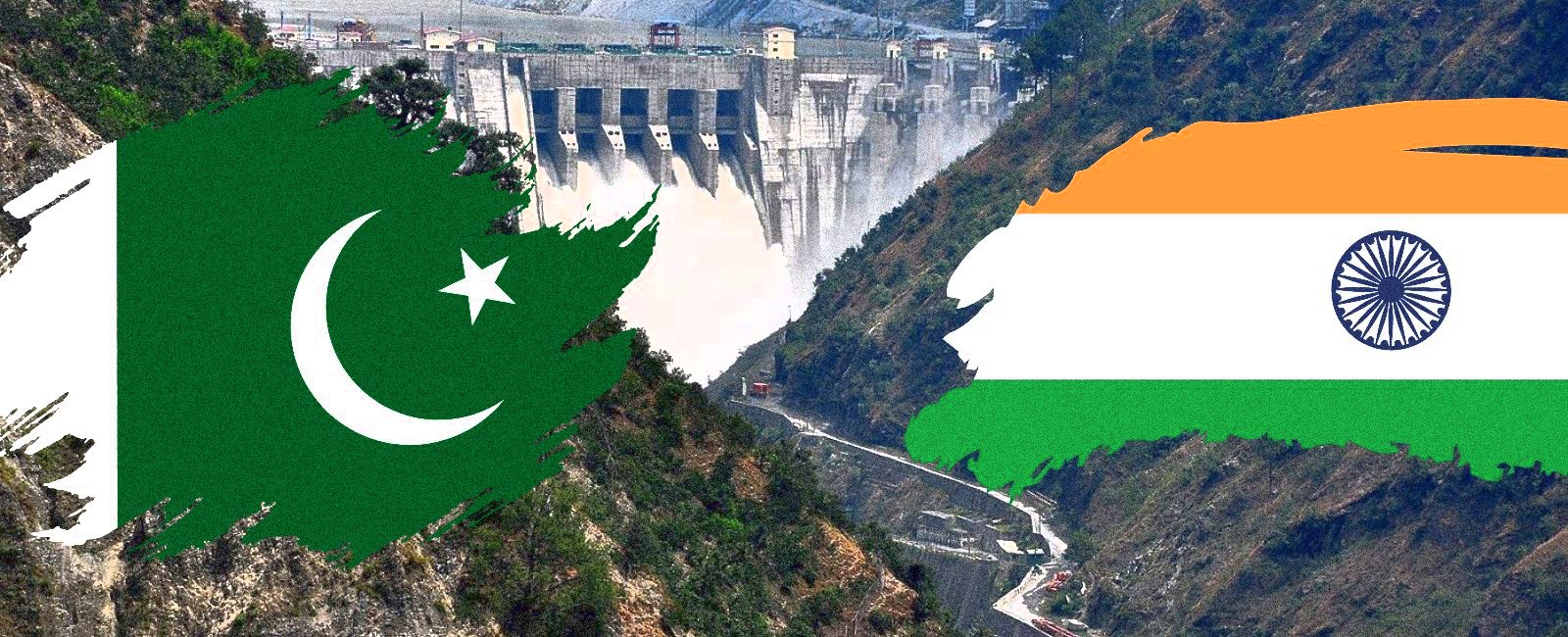
ISLAMABAD: India is reportedly exploring aggressive plans to increase its control over water resources from the Indus River system, which sustains Pakistan’s vast agricultural lands. This move comes as a response to a deadly April 22 attack on Indian tourists in Kashmir, which New Delhi has blamed on Islamabad.
Following the attack that left 26 civilians dead in Indian-administered Kashmir, India suspended its participation in the Indus Waters Treaty (IWT) of 1960, a landmark agreement that governs the sharing of the Indus river system between the two nuclear neighbors. While Pakistan has denied involvement, India continues to keep the treaty “in abeyance” despite a recent ceasefire.
India’s Strategic Shift: Expansion of Ranbir Canal
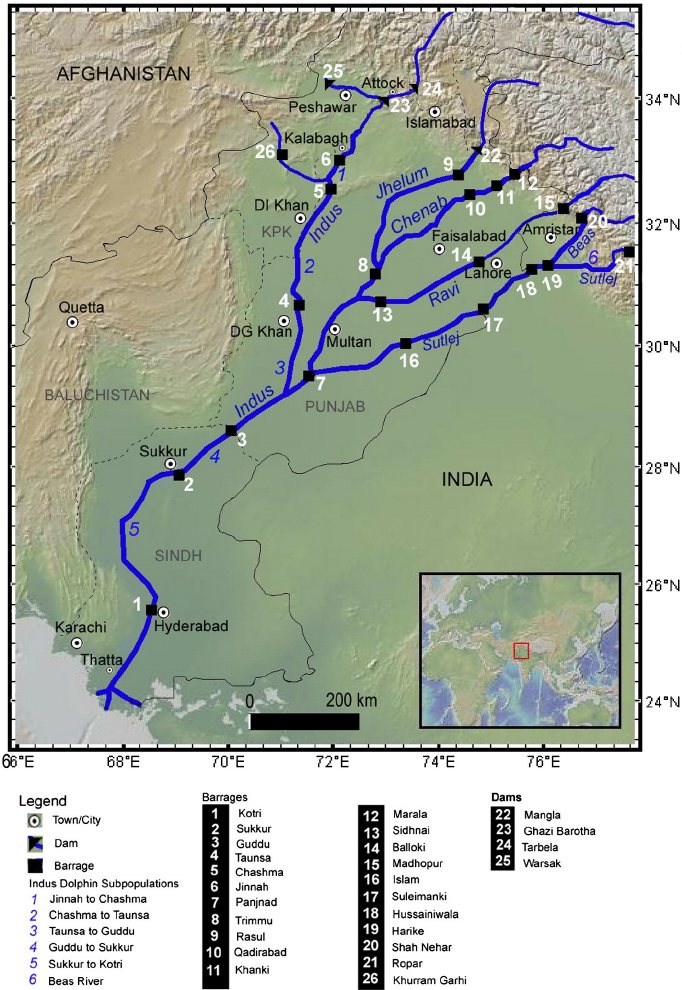
In response to the incident, Indian Prime Minister Narendra Modi reportedly directed authorities to fast-track plans to utilize more water from the Chenab, Jhelum, and Indus rivers — rivers primarily allocated to Pakistan under the IWT. One key initiative involves doubling the length of the historic Ranbir canal on the Chenab River to 120 km, allowing India to divert up to 150 cubic meters per second — significantly more than the current 40 cubic meters.
Though allowed limited use for irrigation, experts indicate that the proposed expansion of the canal would mark a dramatic shift and could take several years to complete. Details of these discussions have not been publicly disclosed until now, but began shortly after the April incident and continue post-ceasefire.
Treaty in Abeyance: A Legal and Diplomatic Dispute
Indian ministries overseeing water resources and foreign affairs, as well as the NHPC (India’s key hydropower agency), have not issued official statements regarding these developments. Meanwhile, Modi, in a fiery speech, stated that “water and blood cannot flow together,” without directly referencing the treaty.
India’s foreign ministry reiterated that the IWT will remain in abeyance until Pakistan takes credible and irreversible steps to end cross-border terrorism.
On the other hand, Pakistan’s Foreign Minister Ishaq Dar told lawmakers that India’s suspension of the treaty is unlawful, emphasizing that Islamabad still regards the agreement as fully operational. The Pakistan Foreign and Water Ministries have not responded to formal queries.
After India’s suspension, Pakistan declared any attempt to block or divert Indus water as an “act of war.” Roughly 80% of Pakistan’s agriculture and almost all of its hydropower relies on the Indus river system, which supports around 250 million people.
Impact Already Felt: Water Flow Dropped 90% Briefly in May
Experts warn that while India’s infrastructural projects like dams and canals will take years to materialize, the impact may not be entirely in the future. In early May, Pakistan experienced a 90% drop in water flow at a key intake point due to India’s maintenance work on Indus-related infrastructure.
World Bank Weighs In: Treaty Cannot Be Suspended Unilaterally
World Bank President Ajay Banga, speaking to CNBC-TV18, clarified that the Indus Waters Treaty has no provision for suspension. He stated that it can only be replaced or amended through mutual agreement, as outlined in Article XII.
Banga added that while India calls it “in abeyance,” the treaty still technically stands. This underscores the importance of bilateral consensus, even amid geopolitical tensions.

India Eyes Long-Term Diversion and Storage Projects
According to official documents reviewed by Reuters, India is actively considering several hydropower and water diversion projects across Jammu and Kashmir, with plans to increase hydro capacity to 12,000 MW from the current 3,360 MW.
Documents also reveal potential plans to re-distribute Indus, Chenab, and Jhelum waters to Indian states via alternate river channels. At least five storage dams are under review, including four on tributaries of the Chenab and Jhelum — a move that would break precedent by storing water from Pakistan-allocated rivers.

Strategic Pressure: India Shifts Focus to Water Diplomacy
According to Happymon Jacob, an international relations expert at Jawaharlal Nehru University, India’s move is aimed at tightening its leverage over Pakistan through water diplomacy, reducing space for broader bilateral dialogue — especially over Kashmir.
Jacob remarked, “India is now limiting bilateral talks to narrow agendas like the IWT, avoiding broader Kashmir engagement.”
Pakistan Prepares Legal Action, Urges Against Weaponization of Water
In response, Pakistan is preparing to escalate the issue internationally, targeting forums such as the World Bank, the Permanent Court of Arbitration, and the International Court of Justice in The Hague.
Finance Minister Muhammad Aurangzeb warned against using water as a geopolitical tool, stating, “Water should not be weaponized… We don’t even want to consider scenarios that exclude the treaty’s reinstatement.”
Regional Fallout: India’s Actions Could Set Dangerous Precedent
David Michel, a water security analyst from the Centre for Strategic and International Studies (CSIS), cautioned that India’s current posture may set a troubling precedent.
“As regional tensions intensify, India’s stance could embolden China to adopt similar tactics in future water disputes with India,” Michel warned, referring to the upper reaches of the Indus system that originate in Tibet.
