

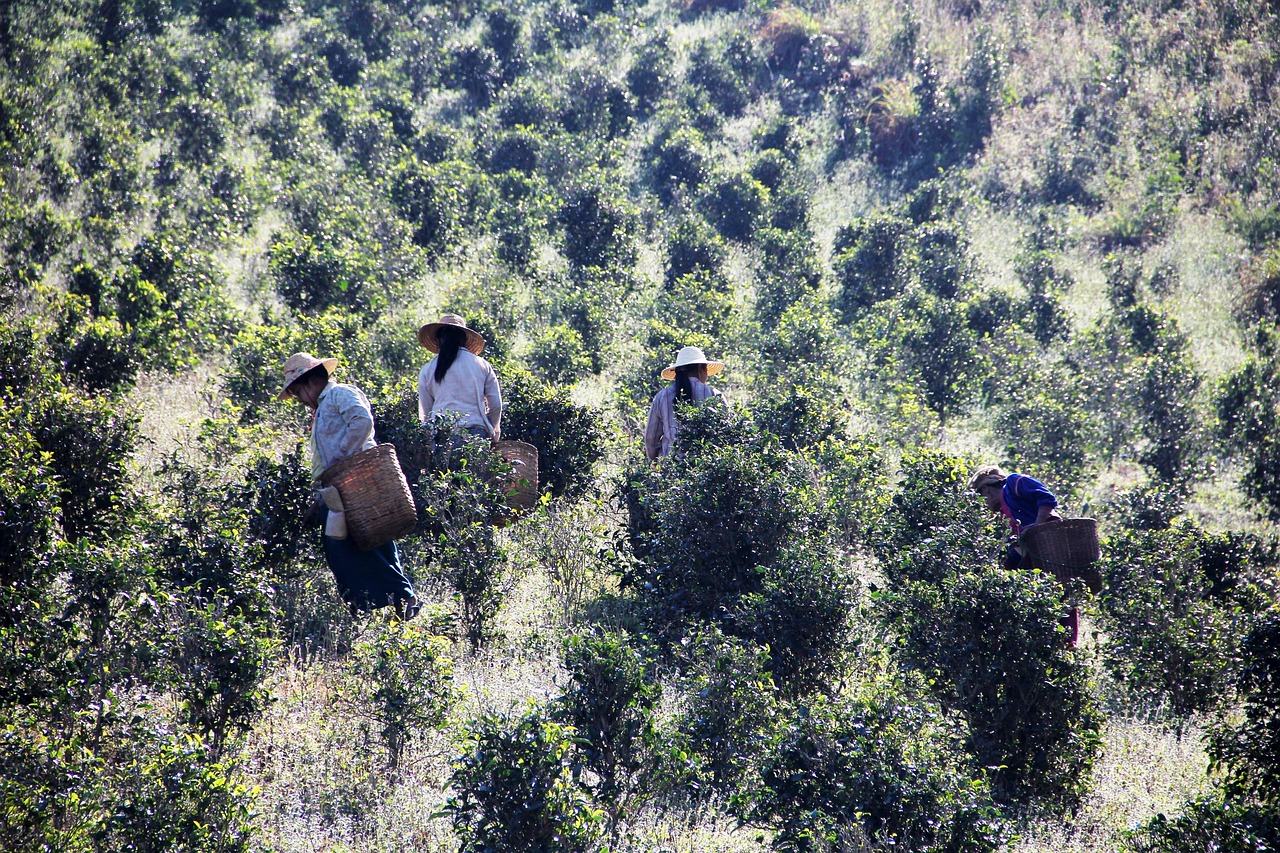
In an inspiring move to promote climate justice and labor rights, the women workers campaign Matiari has taken a transformative step. Women agricultural workers and leaders from women-led cotton workers’ trade unions in the district have embarked on a crucial initiative. These women, deeply impacted by the dual challenges of climate change and inequitable working conditions, have resolved to launch a district-wide climate literacy campaign.

The Context: Women at the Forefront of Climate Challenges
Matiari district, like many agricultural regions in Sindh, faces the compounded effects of environmental degradation and socio-economic disparities. Women agricultural workers, particularly in the cotton sector, bear the brunt of these challenges. From prolonged exposure to extreme weather conditions to unsafe work environments, these women are vulnerable to both health risks and economic exploitation.
Climate change exacerbates these vulnerabilities. Increasingly erratic weather patterns, prolonged droughts, and unseasonal rains disrupt agricultural cycles, reducing productivity and, consequently, the income of workers. The lack of awareness about climate change and its health impacts further deepens the crisis for these women and their families.
In this context, the decision to initiate a climate literacy campaign is both timely and urgent. By equipping women with knowledge about climate change, the initiative aims to empower them to advocate for sustainable practices and better working conditions.
The Training Workshop: Building Awareness and Leadership
The Training of Trainers workshop served as the foundation for this campaign. Held over two days, the event focused on educating participants about the interplay between climate change and health, particularly in the agricultural sector. Facilitated by experts in climate science, labor rights, and community advocacy, the sessions were interactive and tailored to address local challenges.
Participants delved into topics such as:
- The science of climate change and its impacts on agriculture.
- Health risks associated with environmental changes, including respiratory illnesses and heat-related conditions.
- Strategies for creating safer and more dignified working environments in agriculture.
- Advocacy techniques to influence policy and garner community support.
The workshop emphasized participatory learning, encouraging women to share their experiences and insights. This approach not only enriched the discussions but also helped in crafting localized solutions that resonate with the community’s needs.
Objectives of the Climate Literacy Campaign
The climate literacy campaign aims to achieve multiple goals, each pivotal to the well-being and empowerment of women agricultural workers in Matiari district:
- Raising Awareness: Educate women workers and growers about the causes and consequences of climate change, particularly its impact on agriculture and health.
- Promoting Sustainable Practices: Encourage the adoption of eco-friendly farming techniques to mitigate the adverse effects of climate change and ensure long-term agricultural sustainability.
- Advocating for Labor Rights: Highlight the need for safer working conditions, fair wages, and access to health services for women in agriculture.
- Strengthening Community Leadership: Foster a sense of agency among women by equipping them with the knowledge and skills needed to lead community-driven initiatives.
Grassroots Mobilization: A Community-Centric Approach
The success of the campaign hinges on grassroots mobilization. Women leaders from trade unions will spearhead the initiative, organizing awareness sessions in villages across the district. These sessions will be designed to engage diverse audiences, including women workers, small-scale growers, and local authorities.
Key activities under the campaign include:
- Educational Workshops: Conducting interactive sessions to explain the science and local impacts of climate change.
- Health Awareness Drives: Distributing informational materials on health risks associated with climate change and preventive measures.
- Advocacy Meetings: Engaging with local policymakers and stakeholders to push for labor reforms and climate-resilient agricultural policies.
- Community Dialogues: Hosting open forums where workers can voice their concerns and collectively brainstorm solutions.
Collaboration with Stakeholders
The campaign recognizes the importance of collaboration in driving meaningful change. SCF, with its experience in community development, will provide technical support and resources for the initiative. The Commonwealth Foundation’s involvement ensures a global perspective and access to international best practices.
Local trade unions, growers’ associations, and health professionals will also play a critical role in the campaign. Their expertise and networks will help in reaching a wider audience and ensuring the campaign’s objectives are met effectively.

Challenges and the Way Forward
Despite its promise, the campaign faces several challenges:
- Cultural Barriers: Prevailing gender norms may hinder women’s participation in leadership roles and decision-making processes.
- Resource Constraints: Limited funding and logistical challenges could affect the campaign’s reach and impact.
- Resistance to Change: Some growers and stakeholders might resist adopting new practices or policies, citing economic or traditional reasons.
Addressing these challenges requires sustained efforts, strategic planning, and the collective will of the community and stakeholders. Building trust and demonstrating the tangible benefits of the campaign will be crucial in overcoming resistance and ensuring long-term success.
A Vision for Change
The climate literacy campaign in Matiari district represents more than just an educational initiative; it symbolizes hope and resilience. By empowering women agricultural workers to become informed advocates, the campaign seeks to address systemic inequalities while paving the way for a more sustainable future.
As these women lead the charge, they send a powerful message: true progress lies in inclusive, community-driven solutions. With the support of organizations like SCF and the Commonwealth Foundation, the campaign has the potential to become a model for other regions grappling with similar challenges.
Through their determination and vision, the women of Matiari are not just confronting the climate crisis; they are reshaping the narrative around labor rights and environmental justice. Their journey underscores the transformative power of knowledge and collective action.
