

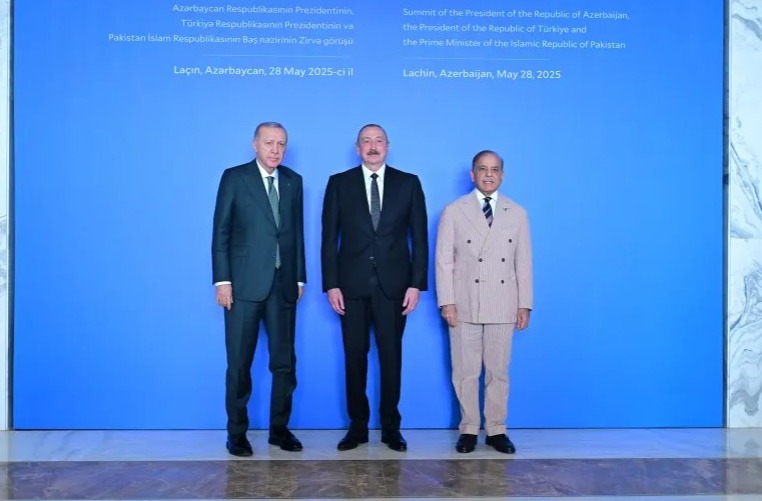
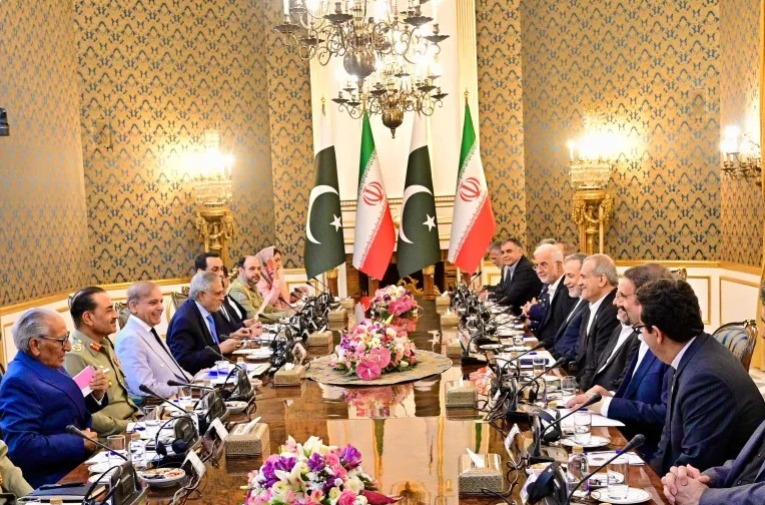
Shehbaz Sharif diplomatic tour India Pakistan tensions highlight a crucial shift in South Asia’s geopolitics. Pakistan’s Prime Minister Shehbaz Sharif has embarked on a significant diplomatic tour amid escalating India-Pakistan tensions, visiting key countries like Azerbaijan, Turkiye, Iran, and Tajikistan. This high-profile trip marks a strategic move toward diplomatic engagement following recent military confrontations between the two rival nations.
Diplomacy Takes Center Stage After Military Confrontation
Following a four-day exchange of missile and drone attacks in late April and early May, Pakistan and India have moved toward diplomatic channels to resolve their differences. India has launched an aggressive global diplomatic campaign, sending delegations to over 30 countries to accuse Pakistan of supporting terrorist groups responsible for attacks on Indian soil, especially in Indian-administered Kashmir.
Randhir Jaiswal, spokesperson for India’s Ministry of External Affairs, stated India’s goal to “hold those responsible for cross-border terrorism accountable,” explicitly blaming Pakistan for decades of such activities.
The heightened tensions followed a brutal attack on April 22 in Pahalgam, Indian-administered Kashmir, where 26 civilians—mostly tourists—were killed. India blamed the attack on The Resistance Front (TRF), which it links to Pakistan-based Lashkar-e-Taiba (LeT), a group designated as terrorist by the United Nations. Pakistan has denied these accusations and demanded a transparent and impartial investigation.
Escalation of Conflict and Ceasefire Agreement
On May 7, India launched missile strikes targeting what it described as terrorist infrastructure within Pakistan and Pakistan-administered Kashmir. Pakistan condemned the strikes, reporting civilian casualties and damage to mosques and schools. The missile attacks resulted in over 50 deaths, including at least 11 security personnel.
The conflict escalated further with drone incursions and reciprocal missile attacks on May 10. Both sides came dangerously close to full-scale war but eventually agreed to a ceasefire brokered by the United States.
Since then, Pakistan has focused on countering India’s narrative internationally, presenting itself as a peace advocate while painting India as the aggressor. During a trilateral summit in Azerbaijan, Sharif expressed Pakistan’s willingness to hold dialogue on “all matters” with India, provided New Delhi reciprocates sincerely.
Kashmir Remains the Core Dispute
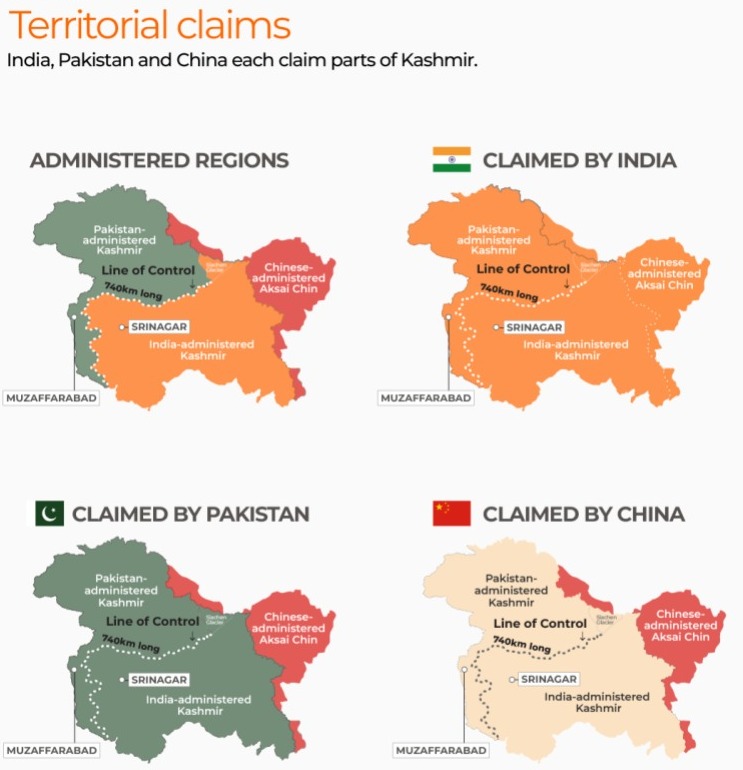
Sharif emphasized the urgent need to resolve the Kashmir issue, in line with United Nations resolutions and the aspirations of Kashmiri people. Kashmir, a picturesque valley in South Asia, has been the source of conflict since the partition of British India in 1947.
India administers the majority of Kashmir but claims the entire region, while Pakistan controls parts of it and allies with China, which holds two smaller sections. A 1948 UN resolution called for a plebiscite to determine Kashmir’s future, but it remains unfulfilled after more than seven decades.
Pakistan’s Strategic Diplomacy and Defence Alliances
Beyond countering India’s diplomatic offensive, Pakistan’s current diplomatic tour showcases strategic alignments and military preparedness. Turkiye, a key defense partner and drone supplier, plays a vital role in Pakistan’s defense capabilities. Experts note that Turkish-origin systems were actively deployed during the recent clashes.
Khurram Dastgir Khan, former federal minister for foreign affairs and defense, highlights Pakistan’s interest in demonstrating its advanced military capacity. Pakistan’s delegation plans further visits to the US, UK, and EU next month to discuss the conflict and defense cooperation.
Military Technology and Regional Impact
Pakistan relied heavily on Chinese-supplied fighter jets, missiles, and air defense systems to defend against Indian attacks. While both countries claimed victory, the conflict exposed vulnerabilities and ignited a fierce battle of narratives online.
Pakistan claims to have shot down six Indian jets, a statement India has neither confirmed nor denied. India retaliated by suspending the decades-old Indus Waters Treaty (IWT), critical for Pakistan’s water supply.
India’s Aggressive Posturing and Regional Concerns
Indian Prime Minister Narendra Modi has publicly urged Pakistan to reject terrorism, stating bluntly that Pakistanis must “live a life of peace or choose my bullet.” Modi also criticized the IWT, calling it unfair to India.
The Indian government’s new policy signals zero tolerance for cross-border incidents, pledging military retaliation without waiting for full evidence. This stance, combined with the use of advanced BrahMos supersonic cruise missiles during the conflict, raises serious regional security concerns.
Khurram Dastgir Khan warns of “unimaginable consequences” from such weaponry and criticizes India’s recklessness, referencing a 2022 accidental missile strike on Pakistani territory.
Ceasefire Holds Amid Lingering Tensions
Despite the ceasefire agreement on May 10, tensions remain high. Experts advise cautious optimism, emphasizing the importance of avoiding incidents that could reignite hostilities.
Military analysts note that Pakistan’s conventional and nuclear deterrence has forced India to reconsider direct confrontation. However, both sides remain on high alert, and Pakistan faces the challenge of addressing weaknesses revealed in recent clashes.
Pakistan’s Diplomatic Focus on Key Issues
Pakistan’s upcoming diplomatic efforts will tackle critical issues such as India’s suspension of the IWT, accusations of terrorism sponsorship, and nuclear responsibility concerns.
Pakistan stresses that Indian aggression—manifested in terrorist acts, water disputes, and military provocations—poses significant hurdles to lasting peace. Pakistan warns that India’s attempts to manipulate water resources could trigger wider regional conflict.
Conclusion: The Road Ahead for South Asia
The India-Pakistan conflict remains fragile but stable under the current ceasefire. Both nations face complex challenges as they navigate a tense geopolitical landscape, balancing military readiness with diplomatic outreach.
Pakistan’s leadership continues to advocate for dialogue and peaceful resolution while maintaining strong defense capabilities. International observers remain hopeful yet vigilant, recognizing that South Asia’s security hinges on careful diplomacy and restraint.
