

Iran Nuclear Sites Damage Admitted by Foreign Minister Amid Leadership Contradictions
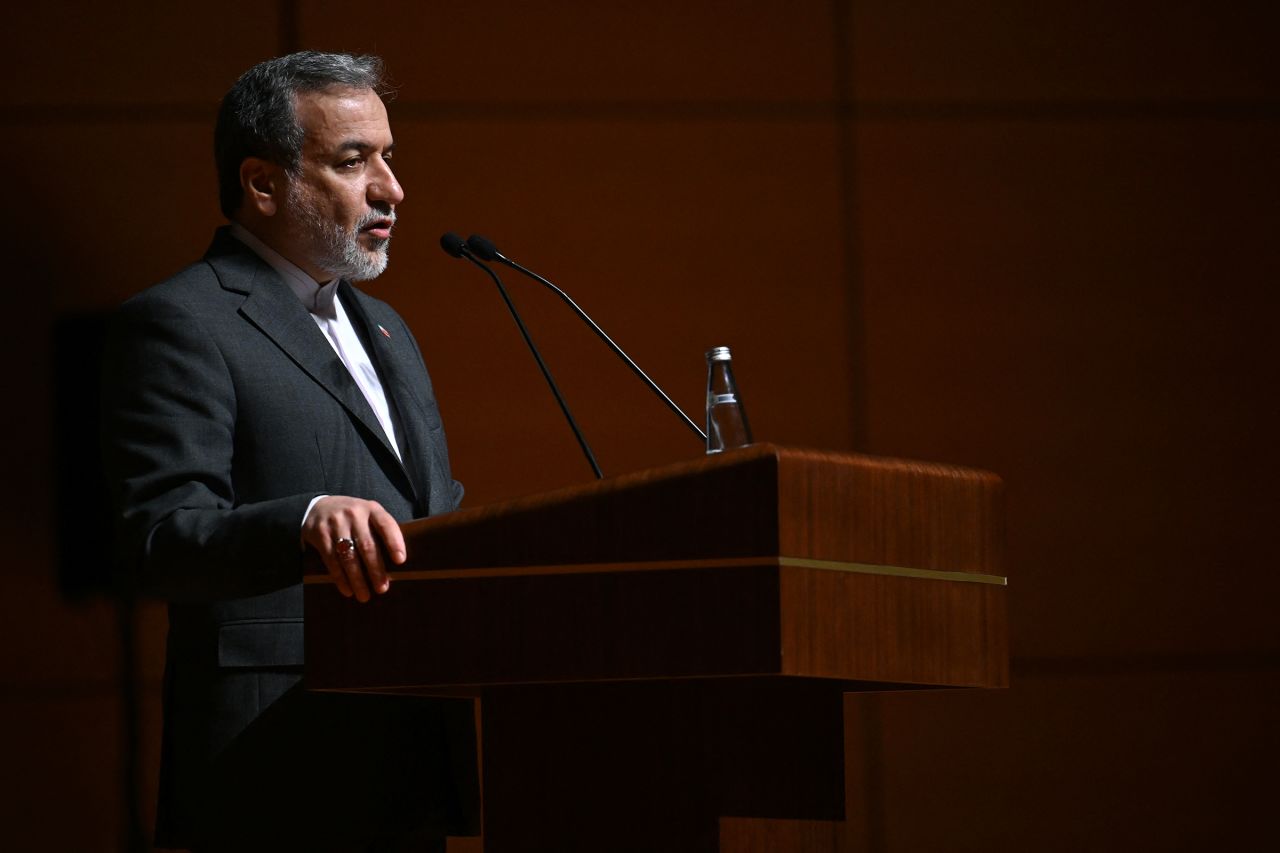
TEHRAN – Iran Nuclear Sites Damage Iran’s Foreign Minister Abbas Araghchi has acknowledged that the country’s nuclear facilities sustained “serious and excessive” damage following joint US and Israeli airstrikes. Speaking on national television Thursday night, Araghchi revealed that the Atomic Energy Organisation of Iran is currently assessing the destruction caused to multiple nuclear installations.
In contrast, Supreme Leader Ayatollah Ali Khamenei, just hours earlier, publicly dismissed the impact of the attacks. He stated that the strikes had not disrupted Iran’s nuclear program, directly opposing US President Donald Trump’s claim that the operations “totally obliterated” three Iranian nuclear facilities.
Khamenei, who has not appeared in public since conflict with Israel escalated on June 13, accused Trump of exaggeration and proclaimed that the strikes failed to achieve meaningful results. He even claimed victory over the United States and Israel. However, Araghchi’s admission tells a different story, revealing the real extent of the damage.
Iran Rules Out Return to US Nuclear Talks
During the same broadcast, Araghchi confirmed that Iran will not resume nuclear negotiations with the United States. The country had already withdrawn from the sixth round of talks once Israel began its military actions. “To be clear, there has been no agreement or conversation to resume negotiations,” Araghchi said. Although he did not go into specifics, he stated that Iran is reviewing its diplomatic approaches for the benefit of its people.

The United States has contemplated providing Iran with $30 billion in funding to help civilian nuclear development, according to a CNN story. The proposal also includes easing sanctions and releasing frozen assets. However, the current conflict has likely derailed any progress.
Iranian Lawmakers Approve Bill to Halt IAEA Cooperation
In a significant policy shift, Iran’s parliament recently passed legislation to cut ties with the International Atomic Energy Agency (IAEA). If enacted, it would block inspectors from entering Iran’s nuclear facilities, raising new concerns about transparency.
Conflicting Reports Emerge Over Nuclear Strike Damage
Israel maintains that its offensive was necessary to prevent Iran from developing nuclear weapons, though Tehran insists its nuclear ambitions are peaceful. The US entered the war last weekend, targeting major facilities in Fordo, Natanz, and Isfahan.
According to US Defence Secretary Pete Hegseth, the strikes significantly set back Iran’s nuclear program by years. However, a leaked Pentagon report suggested the damage might only delay progress by a few months. The US administration has since dismissed that report.
Iran’s Health Ministry reported 610 civilian deaths from Israeli airstrikes, while Israel claimed 28 fatalities on its side.
Learn more about Politics
