

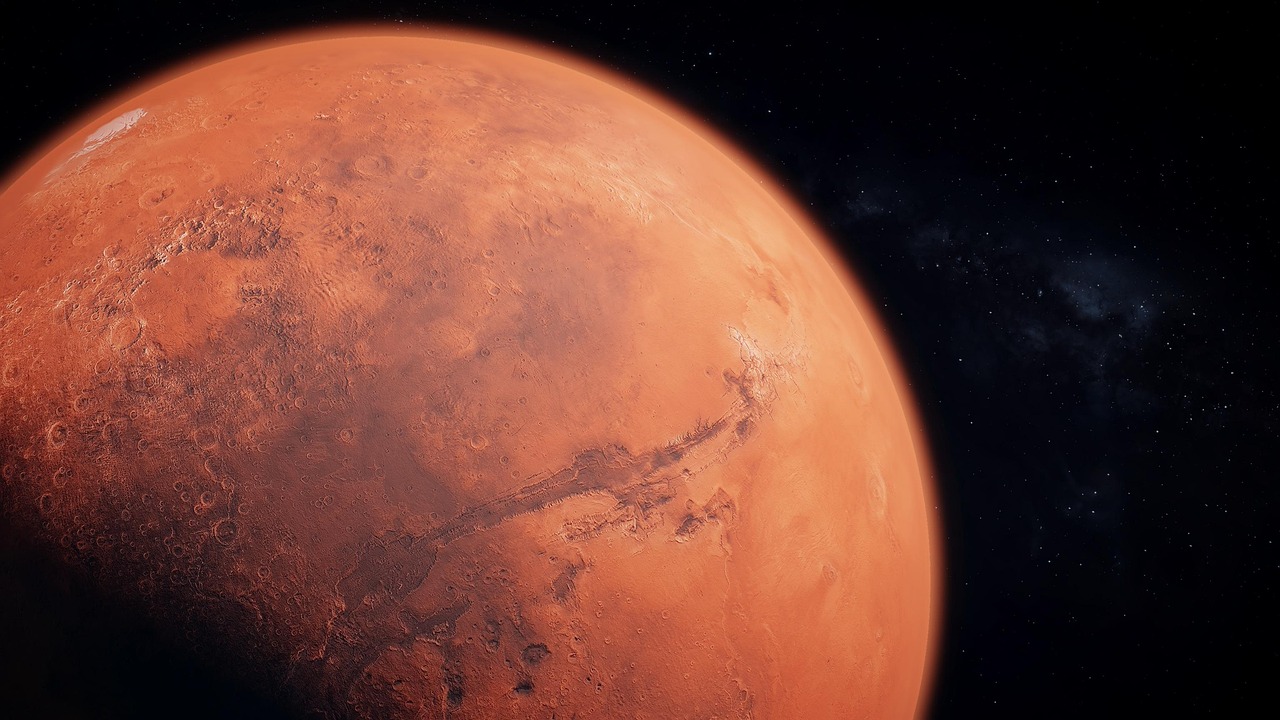
Why is there no life on Mars? One of the questions that scientists and the general population have been interested in over decades. Although the closest planetary neighbour to Earth, and sharing a number of surface features, Mars is a cold, barren wasteland, in contrast to the lush life-bearing environment of Earth. A recent discovery by the Curiosity rover of NASA has provided a potential answer to this puzzle, providing a glimpse into the past climate and geological history of the red planet.
Mars, which is now dry and barren, has evidence of having once had liquid water, which is a basic necessity of life. Water flowed throughout Mars’ surface millions of years ago, as evidenced by dry riverbeds and ancient lake basins. These characteristics indicate that Mars might have had the appropriate conditions to support life at some stages in its history.
The Key is in Carbonate Rocks
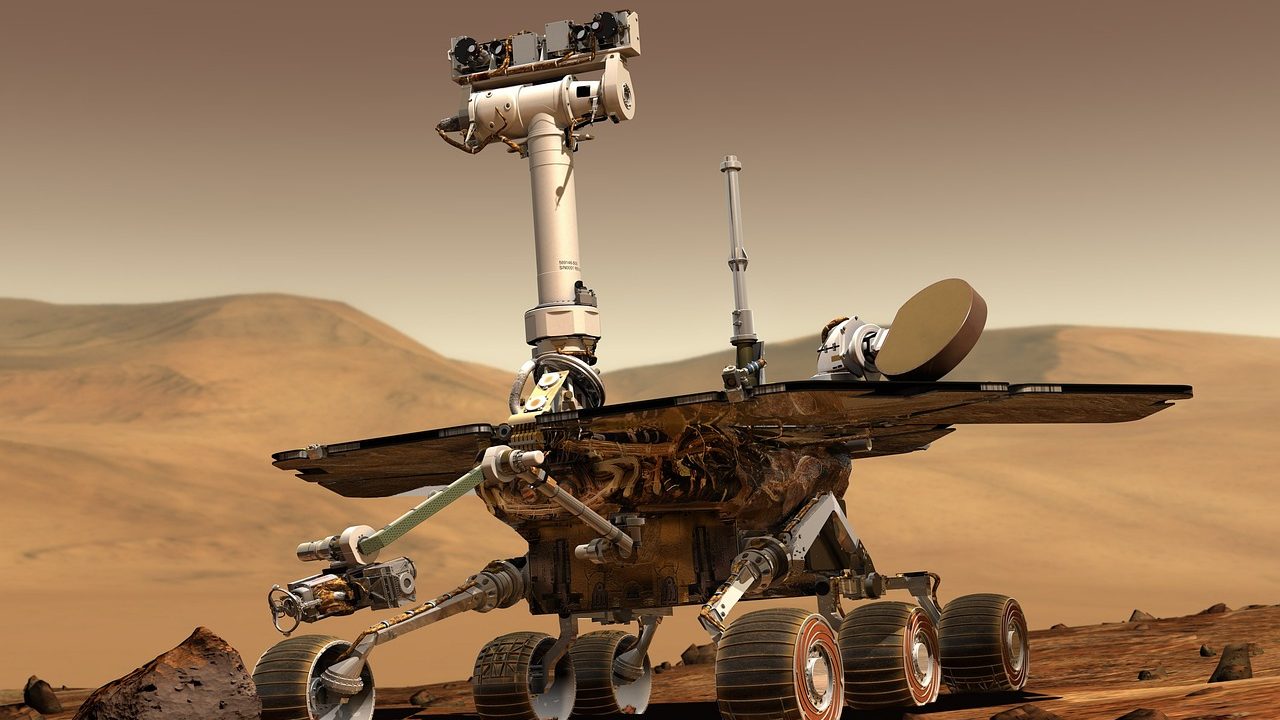
In January, the Curiosity rover of NASA made a breakthrough discovery, the existence of rocks containing carbonate minerals. These carbonates are like limestone formations on earth and have great implications. On the earth, carbon dioxide in the atmosphere is trapped in the rock by carbonate minerals. This is a very important process in the regulation of the climate of the earth and the stability of the environment so that water can be in its liquid state. Carbon dioxide is a key factor in warming of the planet. On earth, it is released into the atmosphere by volcanic activities and with time it is deposited in carbonate rocks. This forms a fragile cycle in which the planet is warm enough to sustain life.
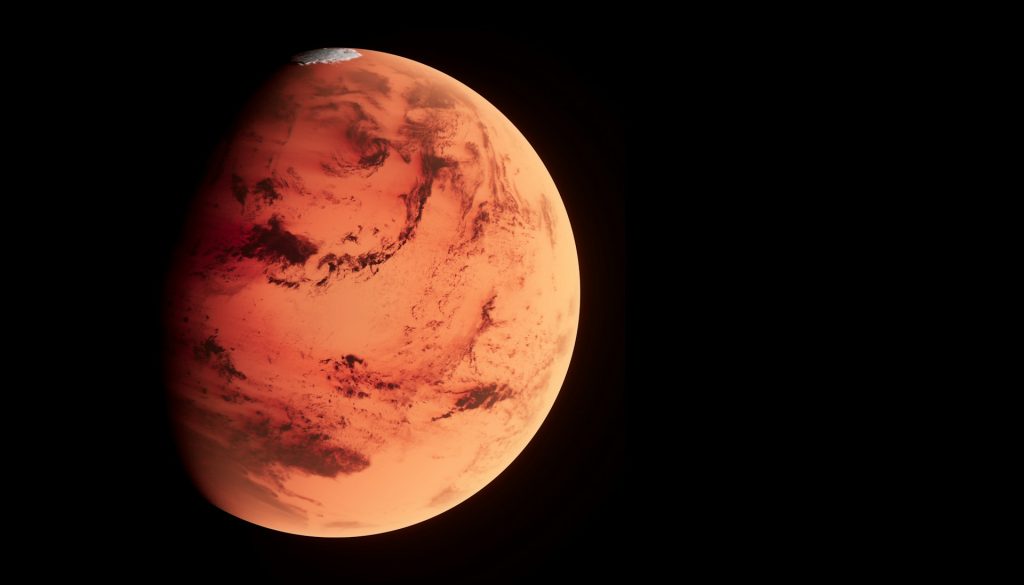
This unbalance interferes with atmospheric cycle leading to long-term cooling. The new study, published in the journal Nature, indicates that although Mars might have experienced warmer, wetter periods, even developing rivers and lakes, these were not continuous and long-lasting. Following these brief periods of possible habitability, Mars would again descend into dry, desert-like conditions that might last as long as 100 million years. These long unfriendly periods would render the survival of any kind of life very hard. According to the new research, which was published in the journal Nature, it is possible that Mars was warmer and wetter at some point, even forming rivers and lakes, but this did not last long and continuously. After these short intervals of potential habitability.
Mars would once more fall into arid, desert-like conditions that could extend to 100 million years. This unbalance interferes with the atmospheric cycle leading to long-term cooling. The new study, published in the journal Nature, indicates that although Mars might have experienced warmer, wetter periods, even developing rivers and lakes, these were not continuous and long-lasting.
Fleeting Martian Oases and the Search of Life
Dr Kite referred to these temporary habitable intervals as blips, or temporary oases in an otherwise uninhabitable timeline. These brief wet occurrences cast doubt on Mars’ capacity to sustain even basic life. Earth’s stable temperature and geological activities contribute to its habitability. Mars could not sustain the same processes that enabled life to flourish on Earth without the long-term warmth and the presence of liquid water.
Nevertheless, the potential of the existence of water reservoirs under the surface of Mars remains interesting to researchers. Other scientists think that there might be underground aquifers or briny water pockets that have maintained conditions that might be conducive to microbial life. The Perseverance rover, which landed in 2021 on what used to be an ancient river delta on Mars, has also discovered carbonates on the edge of a dried-up lakebed, further evidence that Mars had a wetter history.
Dr. Kite and his team think that returning Martian rock samples to Earth is the best method to confirm these discoveries. Here, they intend to conduct a thorough analysis. The United States and China are both actively developing sample return missions in the next decade. Such samples may offer conclusive evidence as to whether or not Mars has ever harbored life, even microbial life.
Are we alone in the universe?
This quest to find Martian life is a subset of a bigger cosmic question: Are we alone? Astronomers have discovered almost 6,000 exoplanets, or planets around other stars, since the early 1990s. However, Mars and Earth are the only planets that offer scientists tangible rocks to study, which gives a rare insight into the history and habitability of the planets.
Should Mars, despite its occasional liquid water, never have supported even microbial life, this could indicate that the origin of life is a very rare phenomenon in the universe. The discovery of ancient life on Mars would demonstrate that, under the correct circumstances, life can begin readily. Dr Kite says that such a finding would imply that the origin of life is planetary simple.
Although Mars might be a frozen desert at the moment, the findings of rovers such as Curiosity and Perseverance still provide new information. The discovery of carbonates and the realization of the minimal volcanic activity on Mars are crucial elements of the puzzle in the answer to the question of why life never established itself on the red planet. The discoveries do not only assist in unraveling the mysterious past of Mars but also inform future explorations in the search of life beyond the Earth.
With new missions and the advancement of technology, there is always hope that the next major discovery will give us the answer as to whether Mars was ever alive, and what that implies about life in the universe.
