

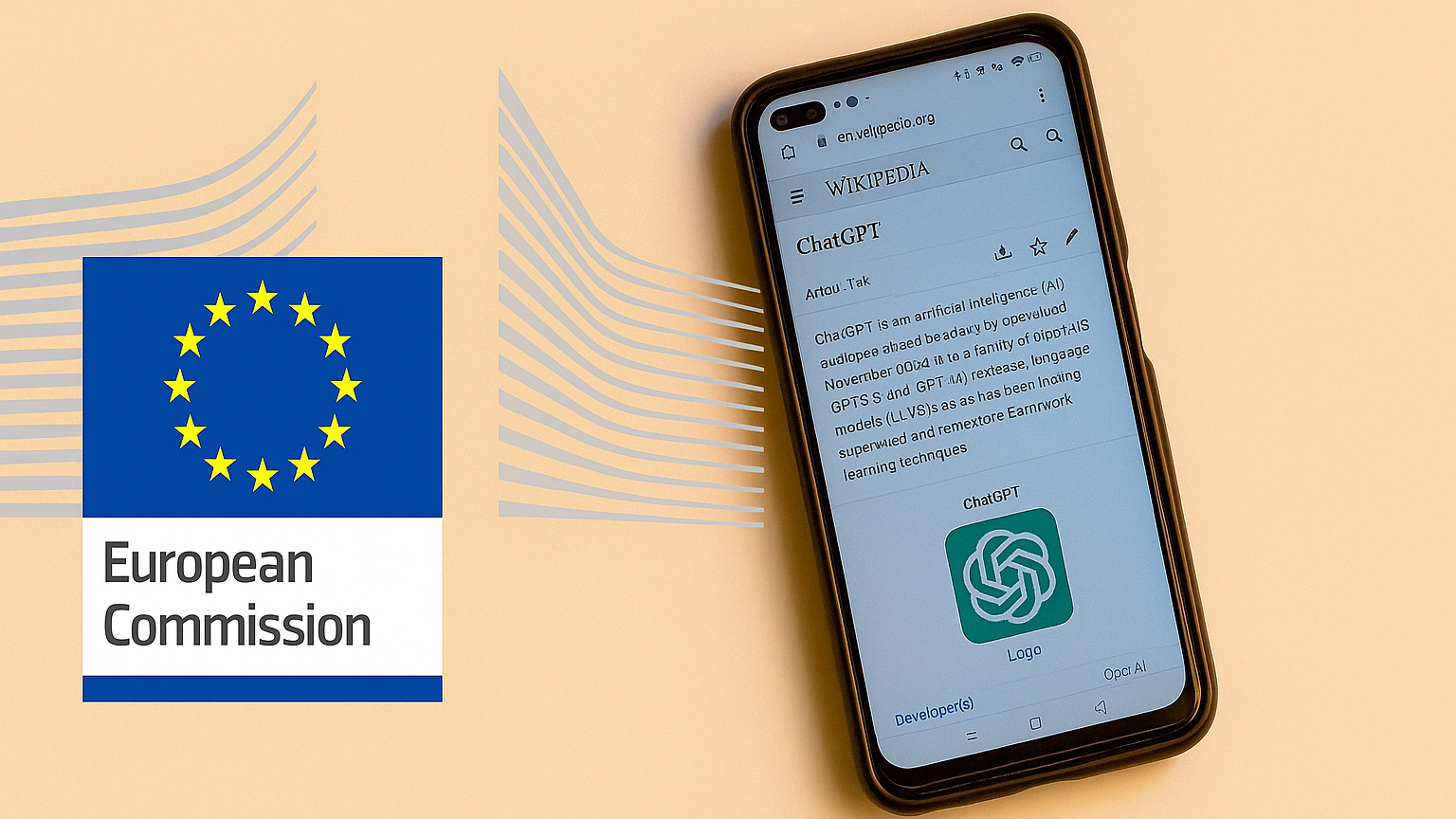
The EU unveils recommendations to rein powerful digital models such as ChatGPT. These steps aim to help businesses follow the bloc’s new law. The law focusses on general-purpose systems with extensive functionality. The EU will begin enforcing these restrictions on August 2. Officials enacted the law last year but chose to implement the regulations in phases. Europe currently seeks to strengthen its position in global technology.
The bloc is interested in competing with the United States and China. However, technology companies in Europe and America are fighting back. They are asking the EU to halt the rollout. They fear that the complicated regulations will hurt innovation and business development.

Commission Issues New Code of Practice
The European Commission, the digital watchdog of the bloc, dismissed the demands to postpone the law. Rather, it came up with a new code of practice. The code was developed by independent experts, and system developers and stakeholders were consulted. The guidelines provide easy, workable measures.
As an example, they recommend that firms should not include piracy websites in training data. This promotes ethical use of content and safeguards copyrights.
The code targets general-purpose systems such as Gemini, Llama, and Grok. Critics have accused Elon Musk’s Grok of distributing poisonous information. The regulations now oblige corporations to declare the text, photos, and other materials they used. They should also comply with copyright regulations in the EU.
Lobbying Unable to Prevent EU Plan
The Commission intended to publish the code in May. It delayed the publication, however, without altering its fundamental requirements. In April, groups such as Corporate Europe Observatory and Lobby Control expressed concerns. They blamed big companies of manipulating the process. These watchdogs claimed that big companies attempted to undermine the rigidity of the code. However, EU officials denied allegations of a diluted version.
The code is yet to be formally accepted by EU states. Then, companies may voluntarily enroll. Companies that become part of the code will encounter less legal procedures. They will also have increased confidence in achieving compliance standards.
Big Business Demands Delay
Almost 50 leading European companies have recently requested a moratorium. These are Airbus, ASML, Lufthansa, and Mercedes-Benz. Their CEOs claimed that the complicated regulations were damaging the bloc in the global technology. They requested a two-year postponement. The Commission stands its ground despite the pressure in the industry. Authorities feel that the legislation is fair and allows companies to adjust.
New general-purpose systems will be required to comply with the law as of August 2025. Current systems will have until August 2027 to comply with all rules. This gradual schedule is viewed by the Commission as fair. It allows companies to be adaptable without compromising safety or ethics.
Conclusion: Clarity of Direction Under Pressure
The new code provides a clear guideline to firms. It takes them through the law and helps in the responsible development of digital models. The Commission feels that these measures safeguard users and European values. Meanwhile, it desires to promote growth. The EU is not deterred by the lobbying. It seeks to take the lead in the digital governance of the world through strict yet reasonable regulation.
The strategy of the Commission makes developers transparent and responsible. This safeguards the society and future innovation.
