

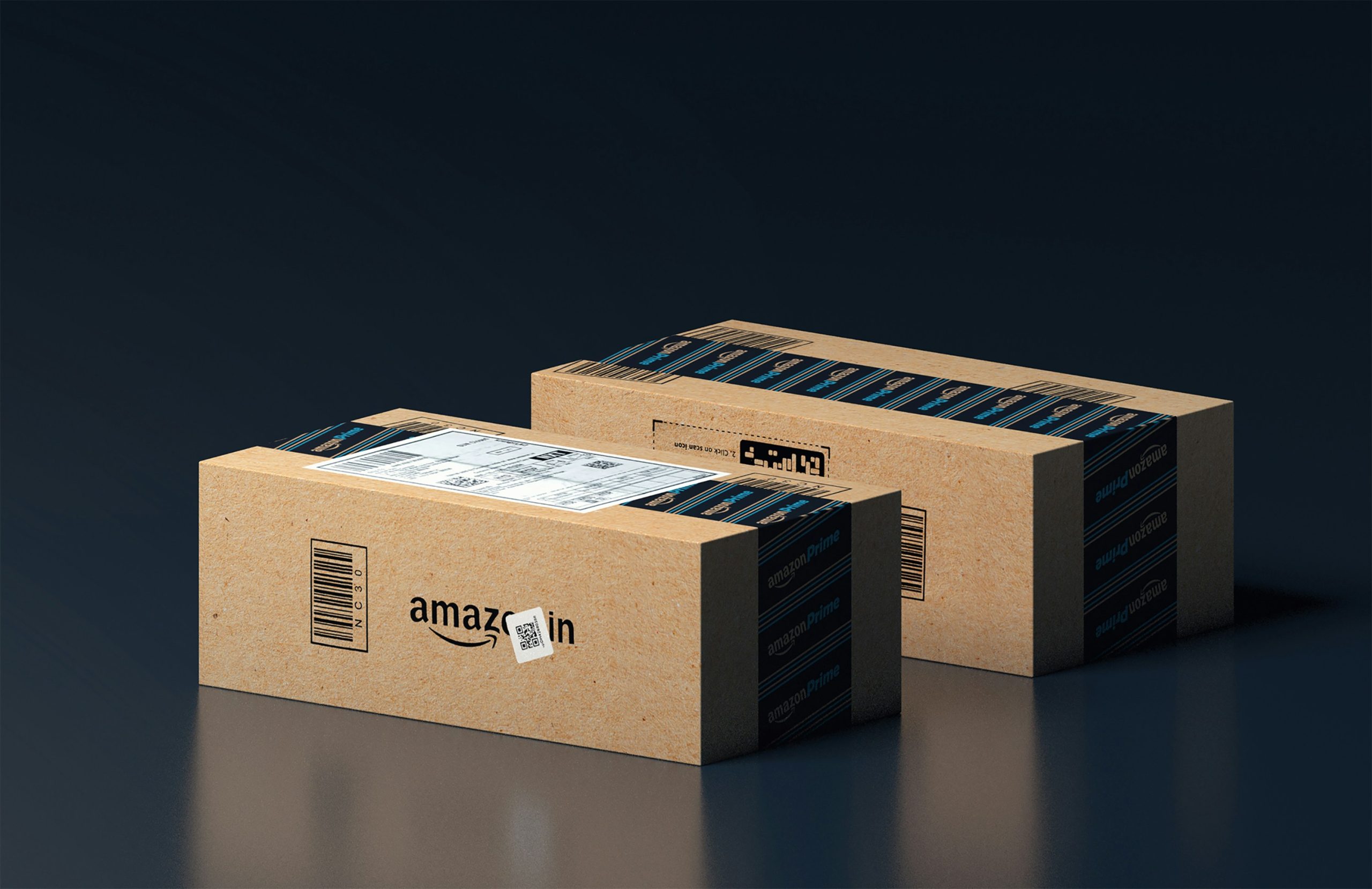
Between July 8 and 11, U.S. online shoppers spent a staggering $24.1 billion during what retailers dubbed “Black Friday in Summer.” According to Adobe Analytics, this figure not only exceeded expectations but also set a new standard for midsummer shopping events. This dramatic U.S. online retail surge surpassed the previously projected growth rate of 28.4%, registering instead at an impressive 30.3%.
The explosive performance underscores shifting consumer behaviors, as more Americans opt for online platforms to capitalize on seasonal discounts and early access to back-to-school essentials.

Prime Day Redefines Seasonal Shopping
Amazon Prime Day continues to evolve beyond a company-exclusive sale, now influencing industry-wide promotions. Traditionally held over a two-day period, Amazon extended the event to 96 hours this year, featuring robust discounts across various categories from electronics and fashion to home goods.
As the originator of this summer spending frenzy, Amazon.com set a high bar. Other leading retailers like Walmart, Target, Best Buy, and smaller e-commerce players followed suit, offering similarly aggressive discounts. This coordinated retail push helped solidify Prime Day as a strategic back-to-school shopping event, effectively reshaping the consumer calendar.
Apparel and Electronics Steal the Spotlight
Apparel led the discount race with average markdowns hitting 24%, up from 20% in 2023. Electronics followed closely, with discounts reaching 23%, nearly unchanged from last year. Adobe’s analysts noted that this spike in savings directly contributed to the massive jump in consumer spending.
Retailers intentionally pushed deep discounts on high-ticket items, encouraging buyers to “trade up” to more premium versions of products they might otherwise skip. This trend appeared across sectors, from luxury tech to brand-name clothing.
Mobile Devices Dominate Online Transactions
Shoppers leaned heavily on smartphones and tablets during the four-day surge. Adobe reported that mobile shopping accounted for 53.2% of total sales, slightly exceeding its forecast of 52.5%. This reflects a steady rise in consumer comfort with mobile e-commerce and a well-optimized experience from retailers.
The mobile trend allowed consumers to make purchases on the go, turning downtime into deal time. With apps and websites offering streamlined checkout options, shoppers faced fewer obstacles to complete transactions quickly.
Trade Tensions Loom in the Background
While the surge in sales offers strong signals for retail recovery, the macroeconomic climate tells a more complex story. The shopping spree unfolded amid mounting global trade tensions, especially after President Donald Trump threatened a 30% tariff on imports from Mexico and the European Union.
These tariffs, set to take effect August 1 unless renegotiations succeed, have already stirred concern among businesses. Retailers brace for possible supply chain disruptions, increased import costs, and future pricing uncertainty all of which may influence consumer confidence heading into the fall season.
Back-to-School Shopping Comes Early
Back-to-school shopping used to begin in late July or early August. Now, it’s becoming increasingly front-loaded. Adobe’s data confirms that consumers view midsummer sales events as an ideal opportunity to secure school supplies and other educational essentials before prices climb.
Parents and students sought deals not only on traditional items like backpacks and clothing, but also on tech-related products. Laptops, tablets, and headphones ranked high in demand, reflecting a hybrid learning environment that still relies heavily on technology.
Retailers, in turn, tailored their messaging around back-to-school campaigns to capitalize on this early wave of interest.
Discounts Drive Urgency and Volume
Adobe highlighted how discount depth correlated strongly with conversion rates. Sales volume spiked particularly during flash sales and lightning deals, where items sold out within minutes. Retailers adopted these strategies to create urgency, prompting faster buyer decisions.
Meanwhile, consumers grew more strategic. They tracked prices across multiple platforms and used browser extensions and shopping apps to alert them to real-time changes in product pricing. This price awareness, paired with visible savings, further accelerated the buying process.
Year-Over-Year Growth Signals Recovery
Online sales jumped from $14.2 billion during the same period in 2023 to $24.1 billion this year a 69.7% year-over-year increase. Analysts suggest that the growth reflects more than just post-pandemic recovery. It signals a lasting shift in retail dynamics, where consumers now expect major sales events in both summer and winter.
Traditional holiday seasons like Thanksgiving and Christmas no longer hold a monopoly on deep discounting. Retailers now face pressure to deliver value throughout the year, especially in competitive sectors.
Cross-Retailer Strategy Proves Effective
The synchronized promotional effort by big-box stores and niche online sellers generated a powerful multiplier effect. Consumers shopped across platforms, comparing offers from Amazon, Walmart, Target, and Best Buy before making final choices. This cross-retailer strategy ensured broader participation and distributed revenue more evenly across the retail ecosystem.
Even local and independent online businesses saw a boost, thanks to marketing tie-ins and aggregator sites that compiled and ranked the best deals in real time.
Consumer Spending Trends Point to Resilience
Despite inflation concerns and high interest rates, consumer spending remained strong. Analysts point to multiple factors fueling this resilience. These include rising wages, lower unemployment, and greater familiarity with e-commerce platforms.
Additionally, the use of Buy Now, Pay Later (BNPL) services increased during the July 8–11 period, helping consumers afford bigger-ticket items without immediate strain on household budgets.
Adobe reported that BNPL transactions rose significantly compared to last year, particularly for electronics and furniture.
Retailers Set the Tone for Q3 Performance
Retailers view this midyear success as a positive indicator for Q3 performance. Many companies will use the results to reassess inventory levels, marketing budgets, and logistics planning for the remainder of the year. The outcome could also influence holiday discount strategies, particularly around Black Friday and Cyber Monday.
While analysts remain cautious due to ongoing tariff threats and uncertain macroeconomic conditions, the July surge proves that demand remains strong especially when paired with deep discounts and seamless digital shopping experiences.
Conclusion: Midsummer Becomes the New Sales Season
The U.S. online retail surge from July 8 to 11 has set a precedent. Consumers responded enthusiastically to aggressive discounting, mobile-first experiences, and strategic timing around back-to-school needs. Retailers now recognize the immense value in creating second-tier shopping seasons that rival traditional holidays.
With $24.1 billion in just four days, the summer sales window officially earns its place on the retail calendar alongside Black Friday and Cyber Monday. The future of online retail looks increasingly dynamic, digital, and driven by deals.
