


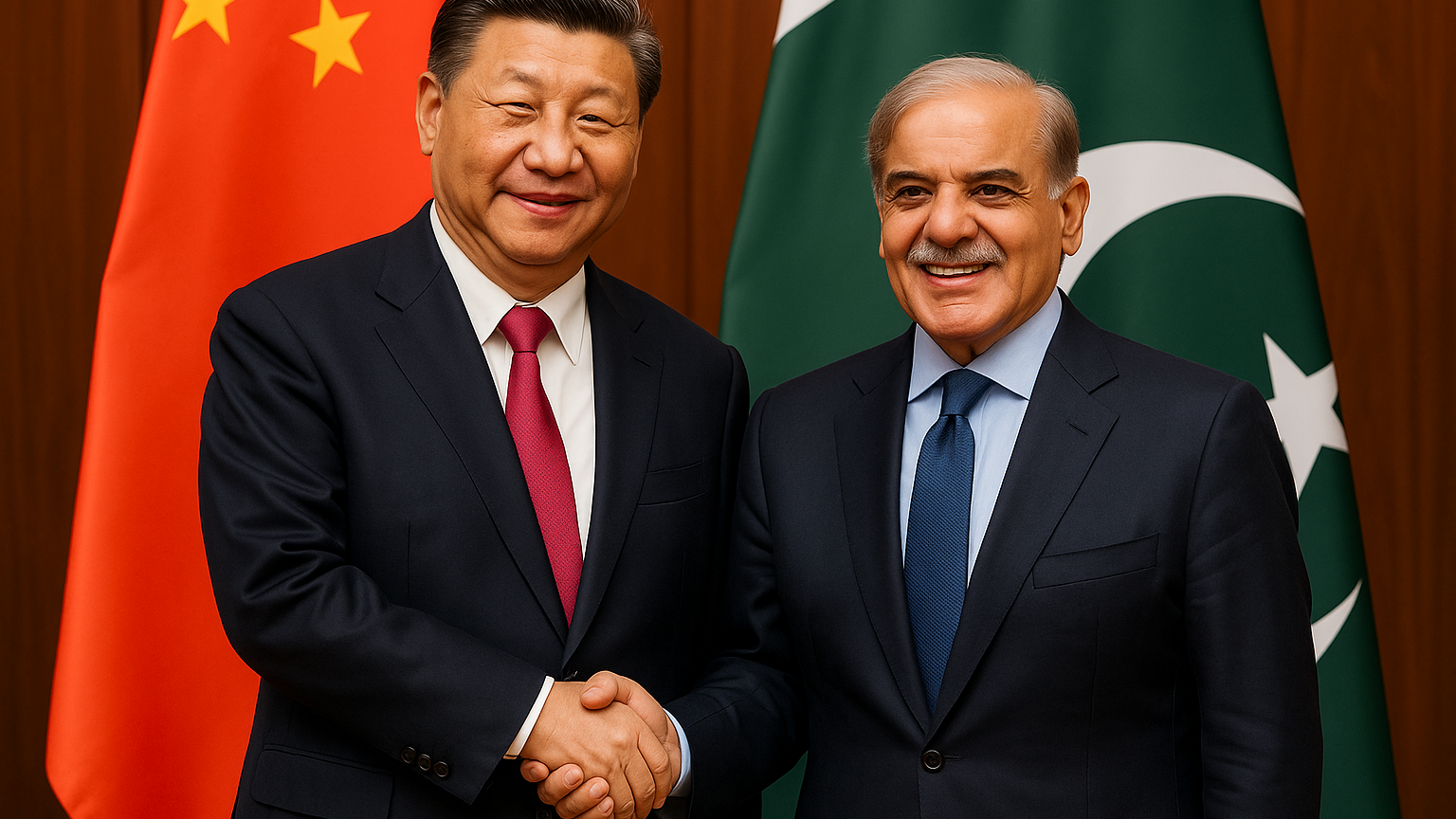
Rahul Gandhi’s recent comments about Prime Minister Modi inadvertently bringing Pakistan and China closer are not just political statements—they highlight a real strategic issue. His attention to Kargil and Ladakh reflects how water, defence and diplomacy are now more closely linked in the region.
If India continues to threaten the Indus Waters Treaty, it could harm its relationship with Pakistan and also destabilise the region. They go against international agreements like the Helsinki Rules and the United Nations Watercourses Convention, creating a risky example. If China uses its control over the headwaters of five major South Asian rivers, it could endanger India’s eastern and northern regions.
The growth in military and intelligence cooperation between Pakistan and China, as seen in CPEC, JF-17 fighter jets and satellite work, makes India’s strategic situation more difficult. Even when global arbitration has ruled in Pakistan’s favour, the international community has usually remained silent.
If things keep going this way, water could become the main weapon in future conflicts in South Asia, leading the region to rely on deterrence instead of diplomacy. The Modi government should focus on working with other countries in the region rather than using force. Following international agreements, encouraging open communication and recognising that everyone shares responsibility for the environment are necessary to avoid a future water conflict in this region.
