


At least 15 consignments of Indian mangoes have been rejected by U.S. authorities at major entry points due to documentation errors, resulting in an estimated $500,000 loss for exporters during the peak export season.
The mango shipments had landed at airports in Los Angeles, San Francisco, and Atlanta earlier this month but were denied clearance by U.S. Customs and Border Protection (CBP) after issues were flagged with the PPQ203 form, a mandatory phytosanitary certificate.
Exporters were faced with two choices: destroy the mangoes or bear the cost of returning them to India. Due to the perishable nature of the fruit and the high cost of re-exporting, all the exporters opted to dispose of the shipments in the U.S..
The financial impact is estimated at $500,000, a serious blow considering that the United States is the most valuable market for Indian mango exporters.
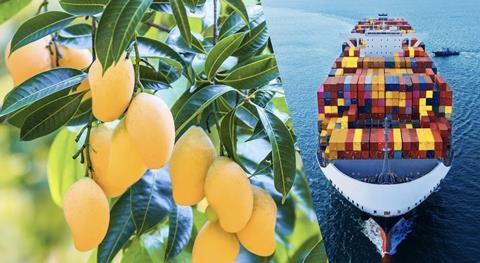
Exporters said the mangoes had undergone irradiation treatment at a USDA-approved facility in Navi Mumbai on May 8 and 9, a process required to meet U.S. pest control standards.
However, U.S. authorities cited discrepancies in the paperwork. One USDA notification to an exporter mentioned an “incorrectly issued PPQ203” and instructed that the mangoes must either be re-exported or destroyed.
Exporters blamed the Maharashtra State Agricultural Marketing Board (MSAMB), which operates the irradiation centre under USDA oversight.

“The USDA officer issues the PPQ203 only after the irradiation process is completed. If there was an issue, why were we cleared to export?” asked one exporter whose shipment was held in Los Angeles between May 9 and 11.
Another exporter added, “There were no pests detected. We’re suffering for errors we didn’t cause.”
The Agricultural and Processed Food Products Export Development Authority (APEDA), which operates under India’s Commerce Ministry, acknowledged the issue but referred inquiries to MSAMB, stating it falls under their jurisdiction.
So far, MSAMB has not released a public statement.
This incident has raised concerns in India’s horticulture export industry, with many stakeholders demanding greater accountability and clearer procedures to avoid similar losses in the future.
