

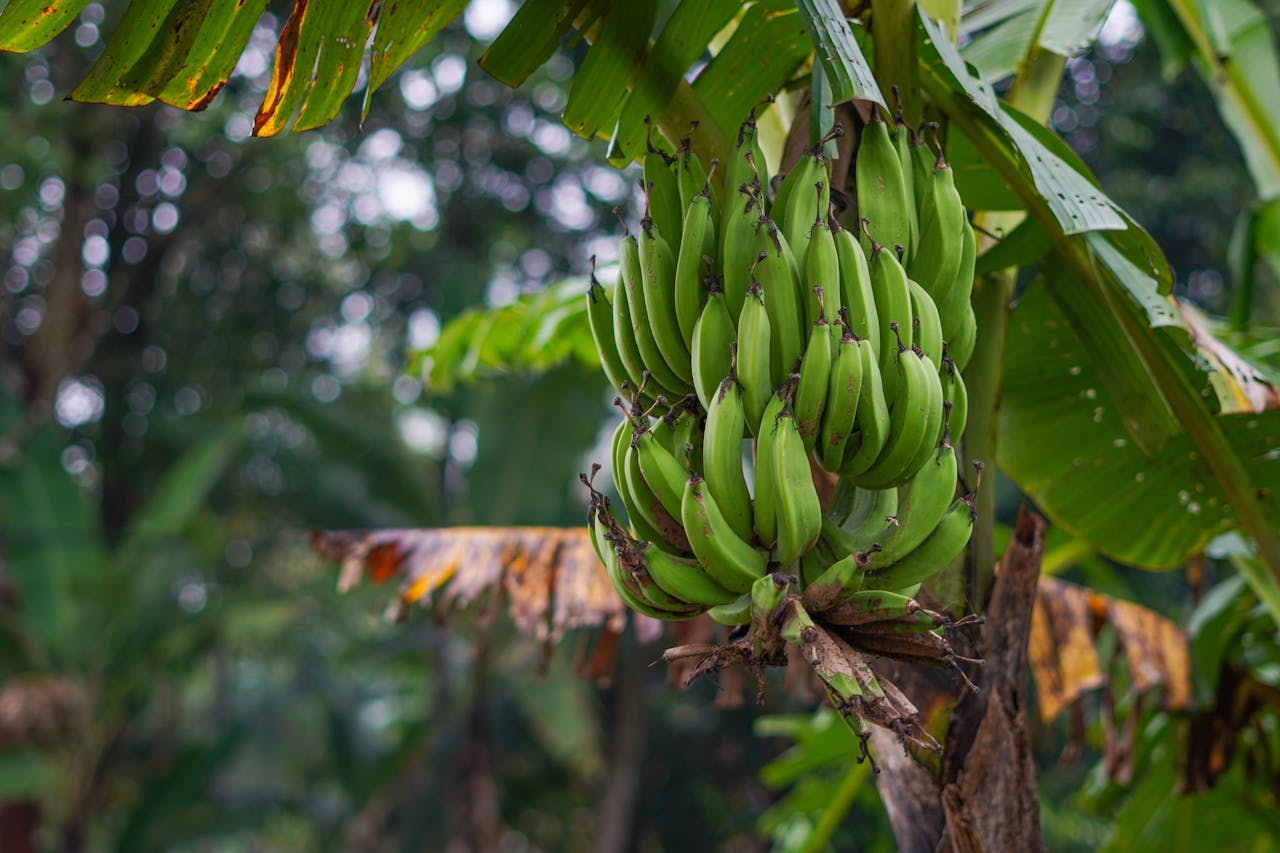
Bananas are the most popular fruit in the world and fourth most popular food crop in the world after wheat, rice and maize. Agriculture: Bananas are now under threat of climate crisis and rising diseases, which endangers the lives of millions of people who depend on bananas as a source of 15-27 percent of their daily calories. A recent report by the UK-based Christian Aid cautions that banana crops are under threat, which threatens the livelihoods of the locals and food security in the world.
Farmers in banana-producing areas such as Guatemala are already experiencing severe effects of unpredictable weather and increasing temperatures. Aurelia, a smallholder farmer, stated: The banana crops are dying. The trees are bending over. We used to believe that it would come later. It has arrived prematurely… We do not know whether entire plantations will be lost.”
Other banana-exporting nations like Colombia, Costa Rica, Brazil and India are also victims of this crisis. By 2050, these countries may lose significant yields. In 2080, 60 percent of banana-friendly land may be lost. The majority of bananas that are exported are of a single variety Cavendish. It is high yielding but lacks genetic diversity and is highly susceptible to disease and climatic extremes.
The Banana Sector in Pakistan is under Threat
Pakistan is not a major exporter of bananas, but a major regional producer. Sindh and Balochistan, particularly coastal and southern Sindh (including Thatta, Badin, Tando Allahyar, Matyari, Shaheed Benazirabad, Muhammad Khan, and Khairpur) are the main producers. Climate change has become a serious threat to these regions. Increasing temperatures, unpredictable rain, floods, and soil erosion are already impacting banana cultivation in such areas as Lasbela, Balochistan.

Unless something is done, there are significant losses that may be experienced in banana production in Pakistan. This would affect food supplies, rural incomes and local markets.
The last few years were characterized by extreme weather conditions: heatwaves, droughts, and rain at the wrong time, which destroyed crops. These occurrences aggravated pest and fungal attacks. The Pakistani farmers are now paying more on water, fertilisers and disease control, which puts more pressure on the smallholders.
Fungal diseases are also contagious. Black Leaf Streak or Black Sigatoka decreases photosynthesis of banana plants by 80 percent. This reduces yields drastically. The disease flourishes in wet and humid environments, which are on the rise because of the changing climate patterns in Pakistan.
Worse still is Panama disease, particularly the Tropical Race 4. This is a soil borne disease that makes land unproductive to banana farming. The Cavendish variety, which is highly cultivated in Pakistan due to commercial purposes, is highly susceptible. The farmers in Sindh now show increasing concern as the region produces approximately 90 percent of the bananas in Pakistan.
Pakistan relies on limited varieties of bananas. This lack of diversity exposes it to more risk of climate shocks. Bananas are not included in the climate adaptation plans of Pakistan as wheat or rice are. This must be addressed immediately.
Immediate Protection Measures
Banana farmers in Pakistan and other countries can be helped by immediate and coordinated action. The research should be on climate resistant, disease tolerant varieties of banana that are suitable to Sindh and other such areas.
Farmers should be trained on the effects of climate and adaptive farming practices. This involves integrated pest management, organic mulching, drip irrigation and early weather forecasts.
Pakistan needs to enhance cold storage, transportation, and markets to reduce post-harvest losses. These losses increase in heatwaves and storage failures. Fruit crops such as bananas should be incorporated in the National Climate Change Policy and Paris Agreement NDCs.
Pakistan must also exchange research and disease information with other countries such as India, Sri Lanka, and Bangladesh. Monitoring and resilience can be facilitated by this South-South cooperation.
Christian Aid urges more action on climate change. Nations should revise and implement their NDCs, cut emissions, and encourage climate-smart agriculture. Unless something is done, banana farming may fail, and this will mean loss of jobs, food, and income.
It is not only a crisis of one fruit. Bananas sustain a whole system of farmers, markets, consumers and economies. To millions of people in the Global South, bananas are not luxuries. They are everyday foods and earners. Climate change is likely to make them vulnerable crops. Pakistan needs to take action before its banana farms go silent.
