

Prime Minister Shehbaz Sharif Embarks on Diplomatic Mission to Four Nations
Prime Minister Shehbaz Sharif commenced a four-nation tour on Sunday, visiting Turkiye as the first stop on his itinerary. The diplomatic journey will also take him to Iran, Azerbaijan, and Tajikistan. This high-level mission underscores Pakistan’s ongoing efforts to strengthen ties with regional allies amidst challenging geopolitical dynamics.
In parallel, Pakistan is also mobilizing former and current lawmakers, as well as senior diplomats, to engage with Western nations. These initiatives aim to counter rival narratives and present Pakistan’s stance on critical international issues.
Strengthening Regional Alliances
Prime Minister Sharif’s visit to Turkiye highlights the strategic importance of strengthening bilateral ties with regional partners. Turkiye and Pakistan have long enjoyed a close relationship, underpinned by shared cultural values and mutual interests. The discussions are expected to cover trade partnerships, defense collaboration, and coordinated responses to regional challenges.
Subsequently, Sharif’s visit to Iran, Azerbaijan, and Tajikistan will build on existing agreements and explore new avenues for economic and strategic cooperation. These efforts signify Pakistan’s commitment to enhancing connectivity and fostering regional unity.
Diplomatic Engagements in the West
While the Prime Minister focuses on regional diplomacy, senior lawmakers and diplomats are being dispatched to the United States and Europe. Reports indicate that former foreign minister and PPP leader Bilawal Bhutto-Zardari may lead one of these delegations.
The team traveling to Washington DC is set to engage with key stakeholders, including the UN Secretary-General, American lawmakers, think tanks, and the media. These interactions are crucial for presenting Pakistan’s perspective on pressing global issues, countering misinformation, and highlighting the nation’s constructive role in the international arena.
Countering India’s Narrative
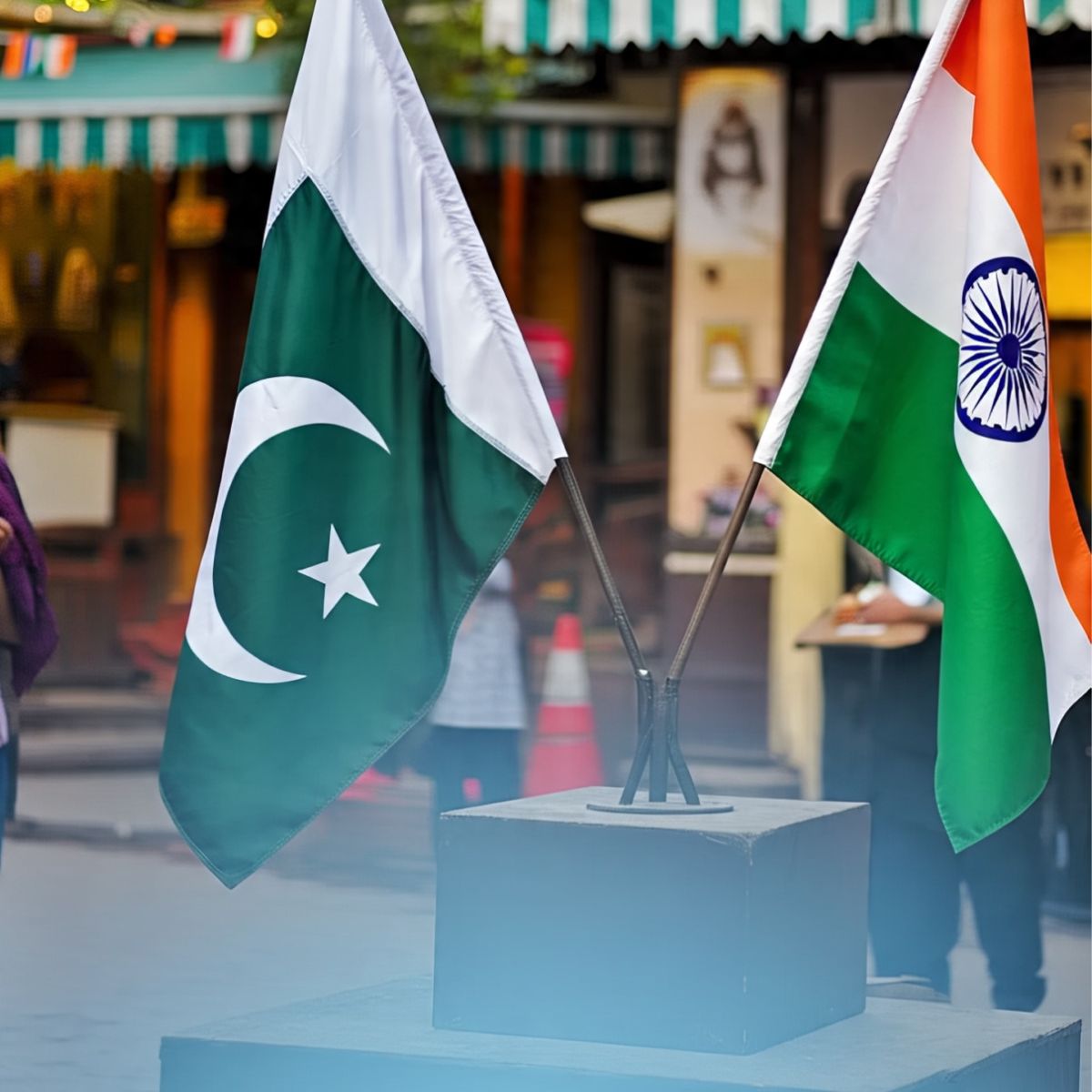
India’s lobbying efforts, exemplified by the recent US visit of Shashi Tharoor and his team, underline the importance of personal diplomacy in international relations. Pakistan faces the challenge of addressing India’s allegations while ensuring its narrative reaches the global stage.
One major issue has been India’s baseless accusations following the Pahalgam atrocity. New Delhi was quick to blame Pakistan for the incident, despite lacking concrete evidence. To date, India has not provided any proof of Pakistan’s involvement to either Islamabad or the global community.
Pakistan’s delegations abroad have a critical role in countering these accusations and emphasizing the importance of facts over speculation.
Addressing Hostilities in South Asia
India’s military actions, including Operation Sindoor, have exacerbated tensions in the region. Pakistan’s response, Operation Bunyanum Marsoos, was defensive in nature, underscoring its commitment to maintaining stability. However, such incidents in a nuclear-armed neighborhood raise serious concerns about the risks of escalation.
Another contentious issue is India’s threats concerning the Indus Waters Treaty. The treaty, a cornerstone of bilateral cooperation, cannot be altered unilaterally. By threatening to block Pakistan’s rightful share of water, India risks creating another flashpoint in the already volatile region.
Pakistan’s diplomatic efforts must focus on highlighting these points to international audiences, underscoring the reckless implications of India’s actions.
The Path to Peace
While Pakistan remains steadfast in defending its interests diplomatically and militarily, sustainable peace in South Asia hinges on dialogue. The ongoing hostility only perpetuates insecurity and prevents both nations from realizing their full potential.
Unfortunately, India appears reluctant to engage in negotiations. Political elements within the ruling party and sensationalist media coverage have fueled anti-Pakistan sentiments, making dialogue a politically sensitive topic.
Nevertheless, Pakistan must continue to advocate for structured peace talks. Diplomatic engagements, combined with consistent messaging, can help build an environment conducive to dialogue over time.
The Role of International Mediation
India has historically resisted third-party involvement in its disputes with Pakistan. New Delhi’s reaction to former US President Donald Trump’s mediation offer during a ceasefire highlights this stance. However, if tensions escalate to the point where nuclear risks emerge, international powers will inevitably step in to de-escalate the situation.
Global actors, including the United Nations and major world powers, have a vested interest in ensuring stability in South Asia. Pakistan’s proactive diplomacy can play a pivotal role in mobilizing international support for a peaceful resolution of conflicts.
Leveraging Pakistan’s Strong Talking Points
Pakistan’s delegations abroad must capitalize on the nation’s strong position in the current geopolitical climate. By presenting a clear narrative based on facts and principles, Pakistan can effectively counter India’s attempts to misrepresent its role in regional affairs.
Key messages include:
- The defensive nature of Pakistan’s military actions in response to Indian aggression.
- The violation of bilateral agreements by India, particularly concerning water-sharing treaties.
- The need for responsible behavior in a nuclear-armed region to avoid catastrophic consequences.
These points resonate with international audiences, emphasizing Pakistan’s commitment to peace and stability.
Building Bridges for a Better Future
Pakistan’s recent diplomatic efforts demonstrate a clear strategy to enhance its global standing while addressing regional challenges. The Prime Minister’s regional tour and the engagement of senior diplomats in the West reflect a multifaceted approach to diplomacy.
As the subcontinent grapples with persistent tensions, both Pakistan and India must recognize the futility of prolonged hostility. Constructive dialogue, supported by international mediation when necessary, remains the only viable path to lasting peace.
By continuing to advocate for cooperation and mutual respect, Pakistan can pave the way for a more stable and prosperous South Asia.
