

The Rise of Tech-Driven Farming
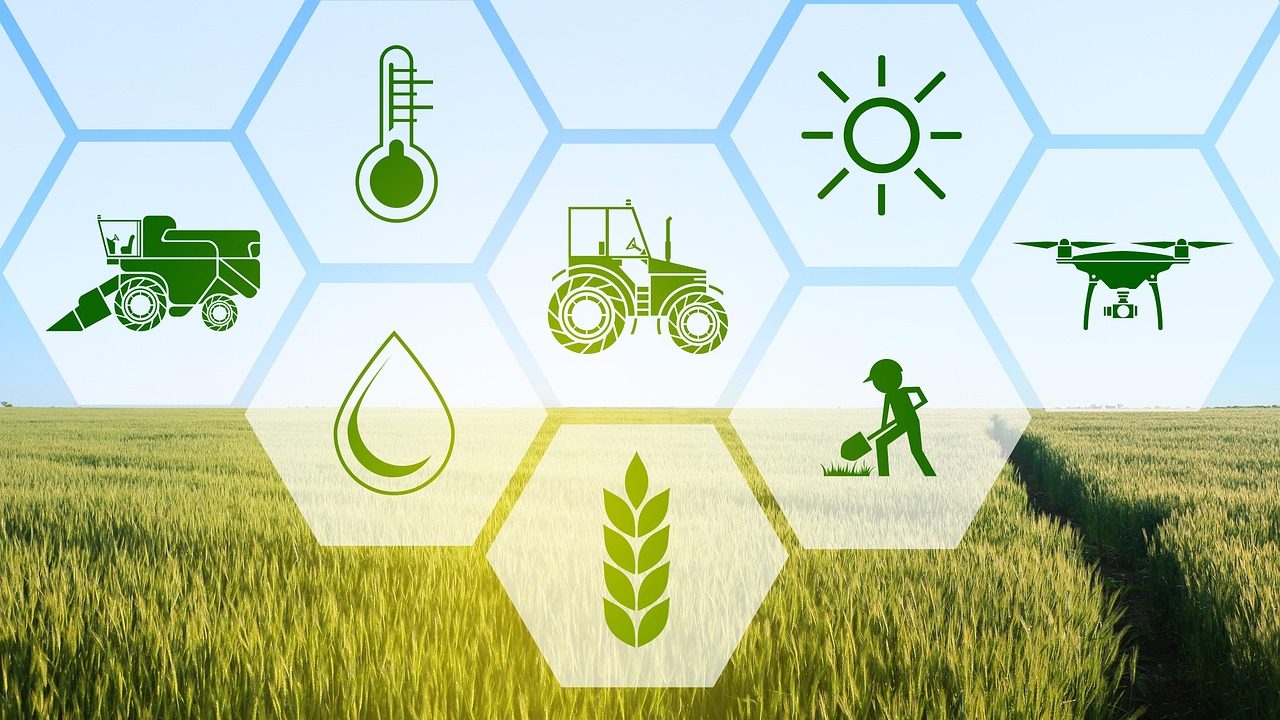
Agriculture has long been the backbone of Pakistan’s economy. However, traditional methods no longer meet the demands of a growing population and unpredictable climate. Today, smart agriculture in Pakistan is offering a solution. Powered by the Internet of Things (IoT), artificial intelligence, and drones, this shift is modernizing farms and improving yields.
How Technology Is Changing Farming Practices
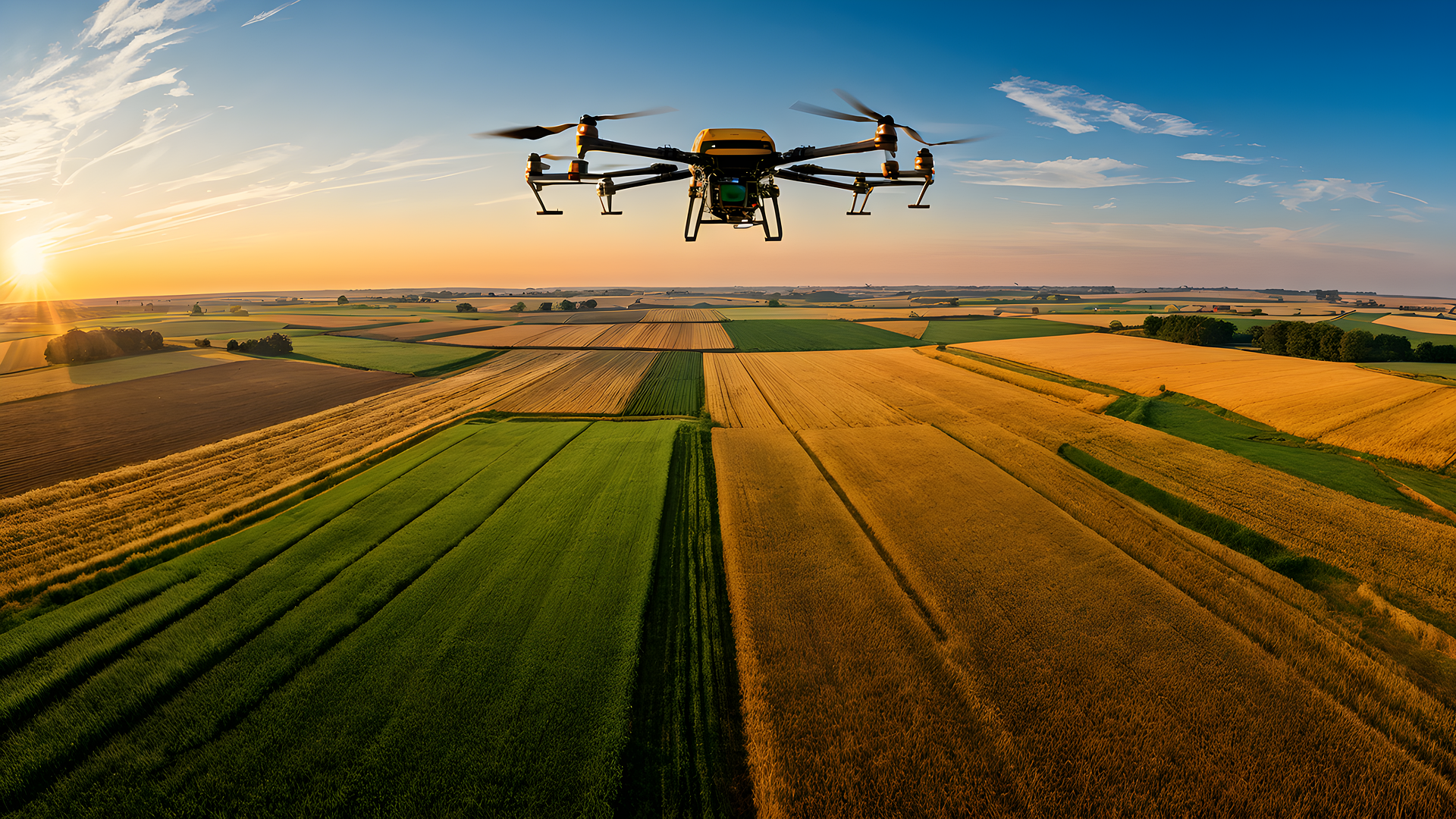
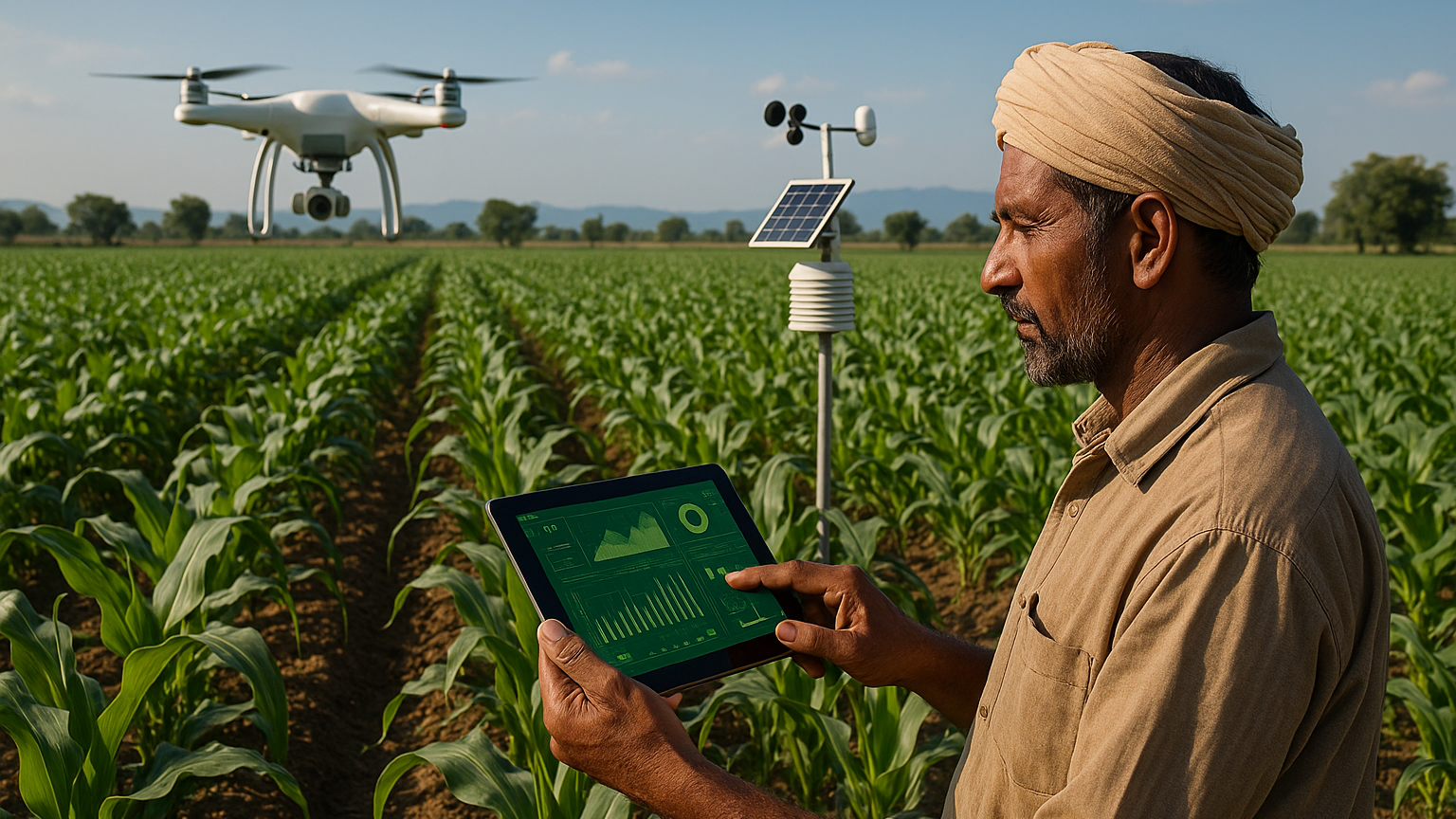
Smart agriculture involves integrating technology to make data-driven decisions. Soil sensors now monitor moisture and nutrient levels in real time. Drones survey fields, detect crop diseases, and even assist in precision spraying. These tools help farmers use fewer resources while maximizing output.
In Punjab and Sindh, pilot projects are already showing success. Farmers using mobile apps for weather forecasts and market prices can better plan their crop cycles and sales. Moreover, AI models are helping predict pest outbreaks, giving farmers time to act.
Benefits Beyond Profit
The advantages of smart agriculture go beyond income. Reduced water use helps conserve this scarce resource. Accurate pesticide application lowers environmental damage and health risks. Most importantly, these tools empower small-scale farmers by making advanced technology accessible and practical.
Challenges and the Road Ahead
Despite its promise, smart agriculture in Pakistan faces obstacles. Many farmers lack digital literacy or access to affordable devices. Internet connectivity remains limited in rural areas. But with increasing government interest and private sector investment, these barriers are starting to fall.
Tech startups, NGOs, and universities are stepping in with training and low-cost solutions. If scaled effectively, smart farming could play a vital role in food security and economic growth.
Conclusion:
Smart agriculture in Pakistan isn’t just a trend—it’s a necessity. As climate change accelerates and traditional methods fall short, technology offers a path forward. By supporting innovation and farmer education, the nation can cultivate a more sustainable, profitable agricultural future.
