

What is Micro-Exporting?
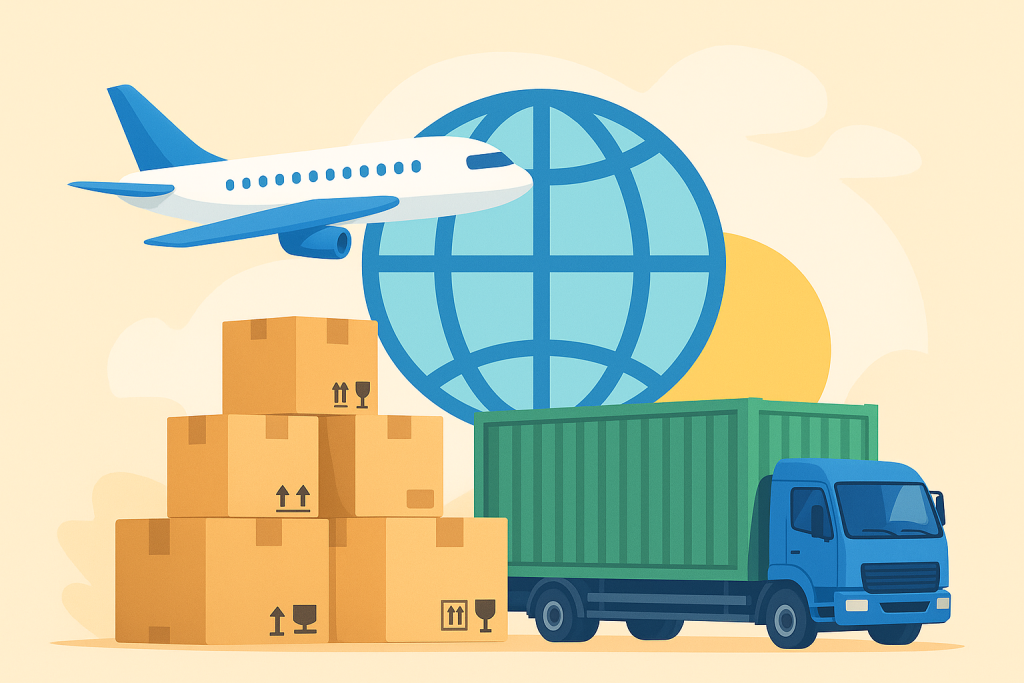
Micro-exporting involves selling small quantities of products to international buyers using online platforms. Unlike large-scale exporters, micro-exporters manage operations from home. They often ship directly to customers using courier services like DHL or Pakistan Post.
This method requires little capital. It opens doors for artisans, small businesses, and freelancers in Pakistan to tap into global markets.
Why Micro-Exporting Works in Pakistan
1. Access to Global Platforms
Pakistani sellers can list products on Etsy, Amazon, eBay, and Shopify. These platforms provide a ready-made audience. With the right keywords and product descriptions, visibility grows rapidly.
2. Low Startup Costs
You don’t need a warehouse. Many micro-exporters start with 5 to 10 items and scale based on demand. Home-based operations reduce overheads.
3. Untapped Product Niches
Pakistani goods like handcrafted textiles, truck art, organic herbal products, and traditional jewelry have niche appeal globally. These items often sell at higher margins abroad.
How to Start a Micro-Exporting Business in Pakistan
Step 1: Choose a Product
Pick something light, durable, and handmade. International buyers often seek authenticity, which local crafts deliver.
Step 2: Register Your Business
To appear trustworthy, register your business with SECP and FBR. Open a business bank account and set up PayPal through third-party services or international friends.
Step 3: Build an Online Presence
Create a store on Etsy or Shopify. Use SEO-friendly descriptions, good photography, and customer reviews to build trust.
Step 4: Handle Shipping and Customer Service
Use reliable couriers. Provide tracking numbers. Answer customer queries fast. Happy customers mean repeat orders.
The Future of Micro-Exporting in Pakistan
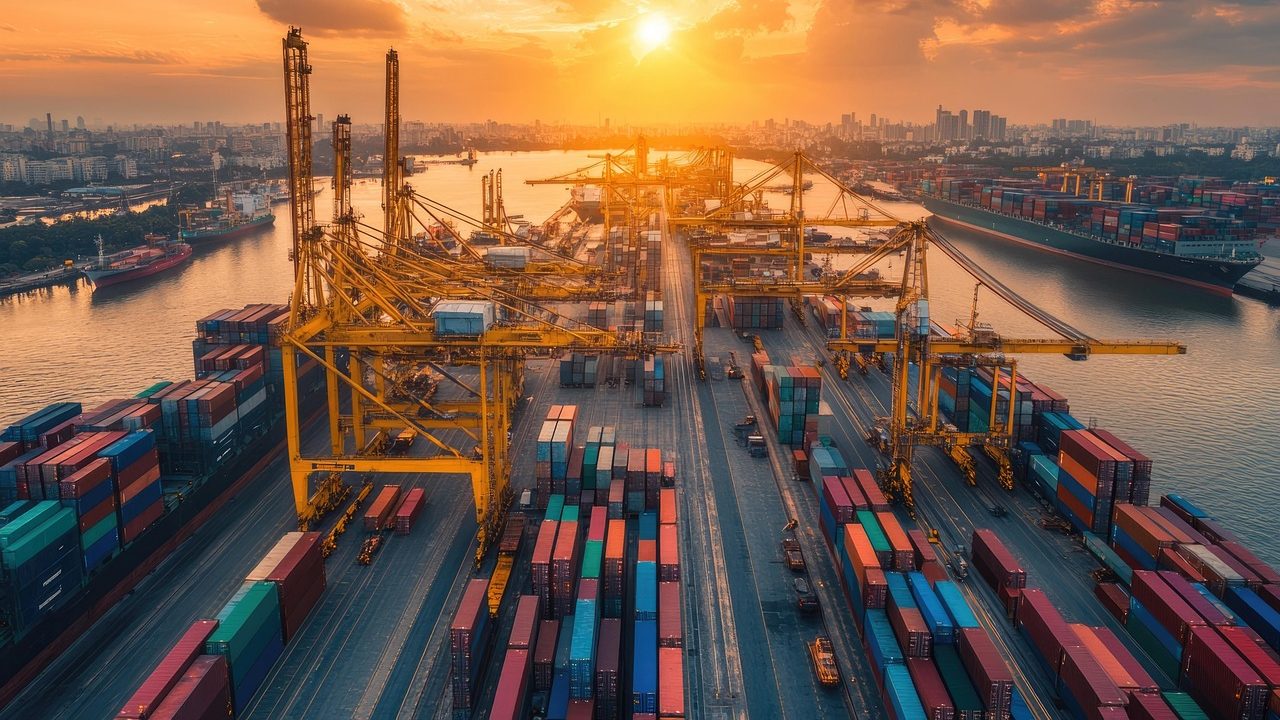
This model empowers women, students, and small businesses. With rising internet access and digital payment solutions, micro-exporting will shape Pakistan’s online business landscape in the coming years.
