

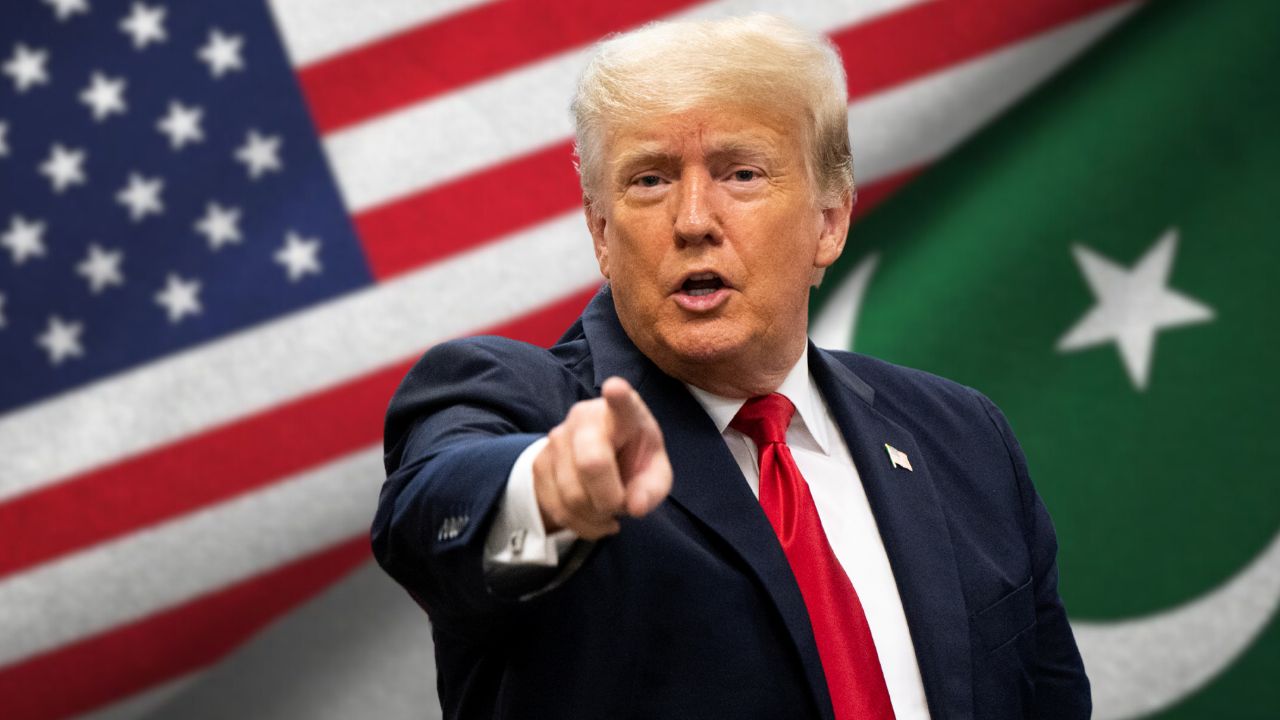
New Travel Ban Signed to Protect U.S. Security
On June 4, 2025, U.S. President Donald Trump signed a proclamation banning citizens from 12 countries from entering the United States.US travel ban on 12 countries. He stated this step is essential to protect the nation from “foreign terrorists” and other security threats. This travel ban continues Trump’s immigration crackdown during his second term, focusing on tightening borders and reducing unsafe entries.
Countries Affected and Partial Restrictions
The countries affected by this ban include Afghanistan, Myanmar, Chad, Congo Republic, Equatorial Guinea, Eritrea, Haiti, Iran, Libya, Somalia, Sudan, and Yemen. Additionally, entry from seven other countries—Burundi, Cuba, Laos, Sierra Leone, Togo, Turkmenistan, and Venezuela—will face partial restrictions.
Enforcement and Validity of Visas
Trump emphasized on social media platform X that the U.S. will not allow individuals posing threats to national security. He warned that the list of banned countries might be updated in the future. The proclamation takes effect at 12:01 a.m. EDT on June 9, 2025. Visas issued before this date remain valid and will not be canceled.
International Reactions and Concerns
The African Union’s Commission expressed concerns about the ban’s possible impact on education, trade, and diplomacy. Chad’s President Idriss Deby responded by stopping the issuance of U.S. visas. Congo Republic’s spokesperson Thierry Moungalla called their inclusion a “misunderstanding,” stressing Congo is not a terrorist state.

Background: Previous Travel Bans and Policies
During Trump’s first term (2017-2021), he imposed a similar ban on travelers from seven Muslim-majority countries. The policy underwent several changes but was upheld by the Supreme Court in 2018. President Joe Biden repealed this ban in 2021, calling it “a stain on our national conscience.” Trump justified the new restrictions by citing terrorist presence, poor visa security cooperation, and weak identity verification.
Reasons Behind the Ban and Recent Incidents
Trump argued the U.S. cannot allow open migration from countries where proper vetting is impossible. He referenced a recent attack in Boulder, Colorado, where a man threw a gasoline bomb at pro-Israel demonstrators. The attacker, Mohamed Sabry Soliman, an Egyptian national who overstayed his visa, highlights the need for strict controls.
Responses from Affected Countries
Somalia pledged cooperation with the U.S. Somali Ambassador Dahir Hassan Abdi affirmed readiness to engage in dialogue. Venezuelan officials condemned the ban as fascist and warned citizens about risks in the U.S. The Taliban-led Afghan government and Pakistan’s foreign ministry did not immediately comment on effects on Afghan migrants.
Impact on Individuals and Exchange Programs
The ban disrupted plans for individuals like a Myanmar teacher enrolled in a U.S. exchange program, causing uncertainty. Trump’s campaign remains focused on strong border control, targeting countries that threaten U.S. security.
