


Taxation measures in budget 2025-26 have raised alarm across Pakistan’s trade and industrial sectors. Business executives think that these policies will hinder economic growth and erode investor confidence.
Before approving the budget, they urged the government to reconsider these actions. According to them, the current approach lacks support for economic recovery and industrial expansion.
Atif Ikram Sheikh, President of the FPCCI, stated that Pakistan now needs a fiscal strategy that promotes growth. He added that with signs of economic stability, it is time to focus on investment and exports.
He criticised the absence of export-boosting policies in the budget. He also warned that granting excessive powers to tax officials could open the door to misuse, corruption, and pressure on businesses.
High Energy Costs and Clean Energy Taxes Draw Fire
Nasir Mansoor Qureshi, President of the Islamabad Chamber of Commerce and Industry, firmly rejected the budget proposal. He described it as anti-industry and unfairly skewed in favor of Independent Power Producers (IPPs).
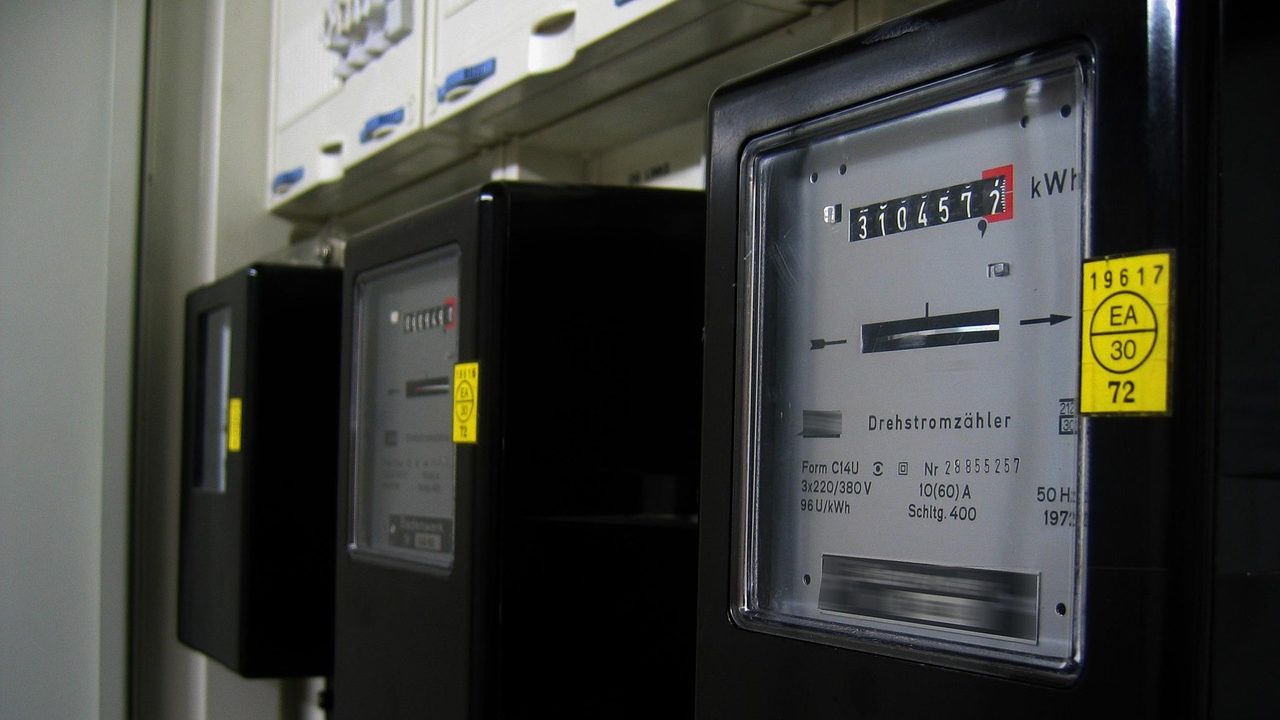
In particular, Qureshi opposed the newly imposed 18% sales tax on imported solar panels. According to him, this step discourages clean energy adoption and appears designed to protect private power companies.
Furthermore, he pointed out that Pakistan already has a surplus of electricity. Instead of taxing alternatives, he suggested that the surplus energy should be supplied to local industries at reduced rates to ease production costs.
Meanwhile, Lahore Chamber of Commerce President Mian Abuzar Shad called for immediate dialogue with the business community. In his view, the government’s projected GDP growth of 4.2% is unrealistic and overlooks several economic challenges.
Shad highlighted major concerns, including high energy prices, inconsistent policies, and operational barriers. Therefore, he urged the authorities to revise their growth estimates to prevent future budget shortfalls.
Demand Reforms in Important Industrial Areas
Additionally, the Pakistan Chemical Manufacturers Association (PCMA) expressed its worries. It called for a long-term strategy and explicit reforms to help Pakistan’s $16 billion chemical industry.
This sector provides assistance for vital businesses such as agriculture, textiles, packaging, & healthcare. According to PCMA, reforms will enable it to realise its full potential and spur the expansion of manufacturing.
