

PMD Warns of Thunderstorms and Relief Ahead
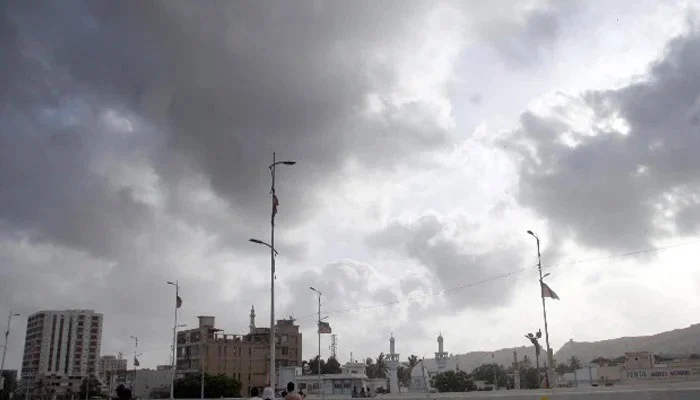
Pre-Monsoon Rain in Karachi. The Pakistan Meteorological Department (PMD) forecasts the arrival of a pre-monsoon weather system that will hit eastern Sindh starting Saturday evening. The change is expected to offer temporary relief from the scorching temperatures.
Sindh to See Weather Shift This Weekend
On Friday, Sindh experienced dry and extremely hot weather. However, by Saturday evening, several districts including Tharparkar and Umerkot will likely receive scattered rain along with gusty winds and thunderstorms. Moreover, the PMD expects similar conditions on Sunday in Ghotki, Sukkur, Jacobabad, and nearby areas.
Karachi Braces for Continued Heat
Although other parts of Sindh may see rainfall, Karachi continues to suffer. Temperatures will stay between 37°C and 39°C in the coming days. Meteorologists blame a combination of dry wind flow from India’s Gujarat region and an approaching western system. These elements have blocked the sea breeze, intensifying the heat in coastal areas.

Extreme Heat Persists in Punjab and KP
Lahore faced an intense heatwave on Friday, with temperatures touching 44°C and a real-feel index of 47°C. This extreme heat stems from a prolonged dry spell lasting through May and early June. Likewise, Peshawar recorded 40°C and is expected to rise to 44°C, while Dera Ismail Khan and Bannu reported 47°C. The PMD has also predicted light rain in parts of Khyber Pakhtunkhwa starting Friday.
Cholistan Desert Faces Crisis
Southern Punjab’s Cholistan Desert saw temperatures nearing 48°C. The severe heat is expected to continue for at least two more days. Local communities are now struggling with water shortages, which have led to livestock deaths and forced many to relocate in search of water and cooler areas.
Cholistan Desert Struggles Amid Scorching Heat
The Cholistan Desert in southern Punjab continues to battle extreme heat, with temperatures approaching 48°C. Local residents face worsening water shortages, forcing families to migrate in search of relief. Livestock deaths have become common due to dried-up water reserves. Communities report severe difficulties in maintaining daily routines as the blazing sun dominates the region. Authorities have yet to provide adequate emergency support, further aggravating the crisis. The ongoing heatwave shows no signs of easing, making survival increasingly difficult. Urgent government intervention remains crucial to prevent further loss and ensure the well-being of the affected population.
