

Film on Pakistan’s Greatest Humanitarian Announced at Karachi Festival
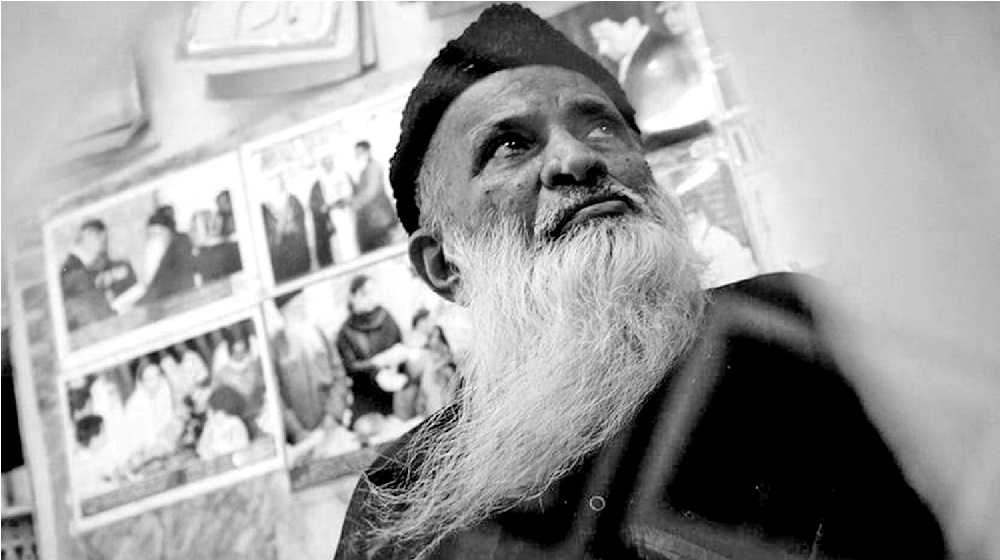
Abdul Sattar Edhi biopic the Sindh government has officially announced the production of a feature film based on the life and contributions of the late Abdul Sattar Edhi, the founder of the Edhi Foundation and one of Pakistan’s most revered humanitarians.
The announcement came from Sindh Information Minister Sharjeel Inam Memon during a film festival in Karachi. Memon highlighted the powerful role cinema can play in shaping public perceptions and national identity, emphasizing that Pakistan must use this medium more strategically, just as India has successfully done to share its cultural narrative with the world.
Reviving Heroic Legacies Through Film
“There are countless historical and social figures in Pakistan whose stories can inspire generations if adapted into films,” Memon said. He added that such initiatives not only preserve cultural heritage but also introduce younger audiences to true national heroes.
The information minister revealed that the Sindh Information Department is collaborating with veteran filmmaker Satish Anand to create a biopic on Edhi’s life. While specific details about the film’s production and release are still under wraps, the project has already sparked significant public interest.
Abdul Sattar Edhi: The Angel of Mercy
Abdul Sattar Edhi, often referred to as “the angel of mercy” and “the father of the poor,” dedicated his entire life to serving humanity. Born in Gujarat in 1928, Edhi migrated to Pakistan after independence and launched his first clinic in 1951. That single room clinic later expanded into Pakistan’s largest charitable network.

Throughout his lifetime, Edhi founded an extensive range of services including orphanages, maternity homes, shelters for the elderly, homes for the mentally ill, and emergency medical aid services across the country.
Lifelong Dedication to Humanity
Edhi was nominated several times for the Nobel Peace Prize. His humanitarian efforts touched millions of lives. Alongside his wife, Bilquis Edhi, he built an enduring legacy. She continues to manage women’s shelters and lead the Foundation’s child adoption efforts. So far, the organization has helped over 25,000 children find homes.
Today, the Edhi Foundation runs blood banks, mobile medical units, diabetes and eye care centers, and even a cancer hospital. Moreover, it supports prisoners, psychiatric patients, and accident victims—offering critical aid where government services often fall short.
In his final years, Edhi launched the 50-kilometre Edhi project. This initiative was designed to deliver emergency assistance to road accident victims along Pakistan’s highways.
Honoring a Legacy That Lives On
Now, his life will be immortalized on screen. The upcoming biopic seeks to preserve Edhi’s values and inspire future generations. Through cinema, the Sindh government aims to celebrate a man who devoted his life to serving those in need.
As excitement grows, this film is expected to become one of Pakistan’s most impactful cultural projects in recent memory.
