

Calm Market Despite Escalation
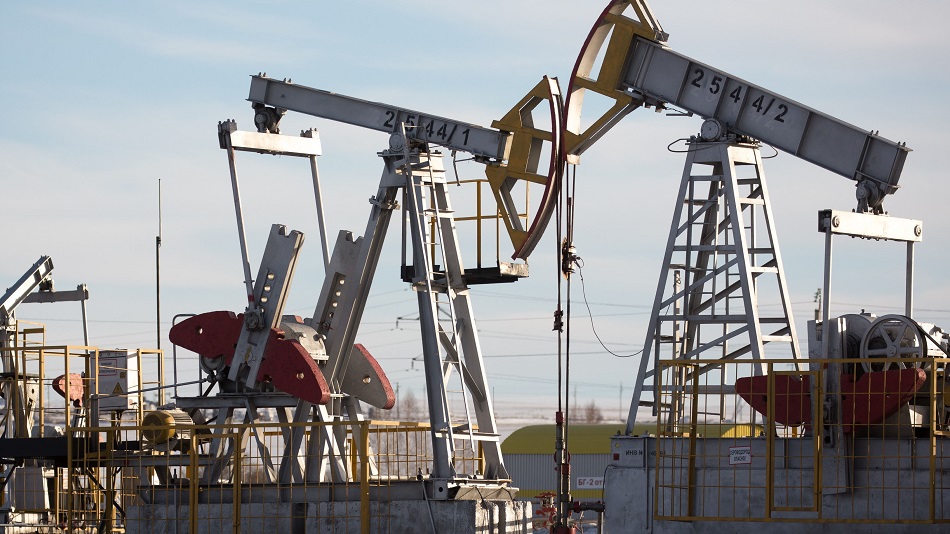
Oil holds steady global oil markets remained remarkably stable on June 23 as tensions between Israel and Iran escalated. Despite headline risks, crude prices hovered near five-month highs, prompting investors to gauge broader implications. Analysts describe the situation as contained — for now — but they caution that oil remains the dominant influence over market sentiment.
Strait of Hormuz on Watch
Markets are closely monitoring the strategic Strait of Hormuz, a chokepoint carrying about 20% of global oil flow. Although key energy facilities in the region—and the strait itself—remain functional, any disruption could dramatically influence prices. Goldman Sachs notes that major supply disruptions could send crude above $100 a barrel, but they expect prices to ease into the low $60s by year’s end.
Traders Seek Safe Havens
Even as risk premia rose on geopolitical scans, world equity markets remained largely tranquil. U.S. benchmark futures pulled back slightly after early dips. Investors bid up safe-haven assets like gold and the Swiss franc, balancing concerns over energy disruptions.

Rebalancing Supply and Demand
Despite conflict fears, oil supply has remained relatively unaffected. Data shows that Iran boosted crude exports, and other producers maintained output levels, keeping physical markets resilient. Moreover, physical differentials—particularly for Middle East grades—have outpaced futures, suggesting buyers aren’t panicking.
Monetary Policy Meets Oil Volatility
This week’s Federal Reserve and Bank of Japan meetings add layers of complexity to markets. The Fed is expected to hold rates steady, while Japan focuses on easing its balance sheet. These decisions, intersecting with oil volatility, will heavily weigh on global inflation and currency dynamics.
Market Takeaway
- Oil remains the key barometer for risk sentiment amid geopolitical tension.
- No major supply disruptions yet, but the Strait of Hormuz remains vulnerable.
- Investor attention shifts between central bank decisions and conflict developments.
As geopolitical tensions persist, energy markets will remain sensitive to any disruptions. Analysts advise close monitoring of developments in the Gulf region and upcoming central bank decisions. While oil holds steady for now, any escalation or supply shock could shift market dynamics quickly, making flexibility and vigilance critical for investors and global policymakers alike.
