

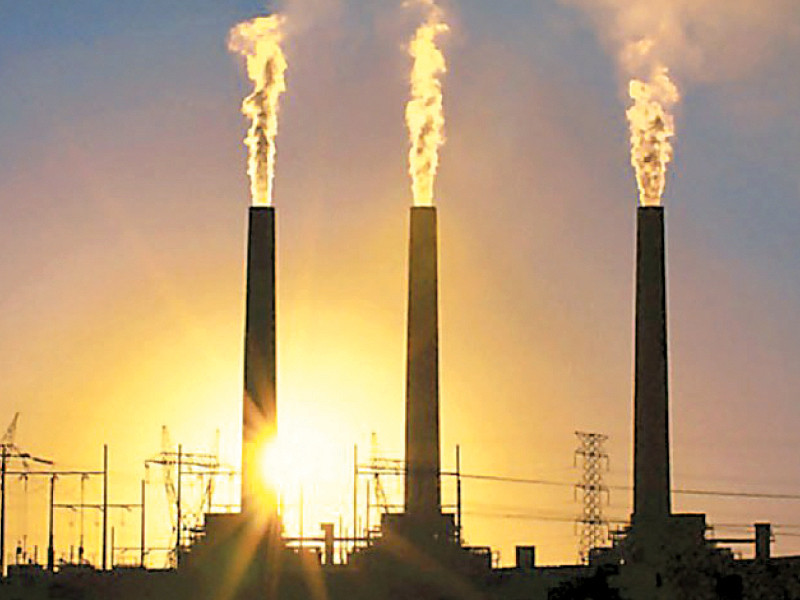
Karak An important development for Pakistan’s energy sector is the discovery of oil and gas in the Karak district of Khyber Pakhtunkhwa. The Pakistan Stock Exchange (PSX) was notified of this significant development by Pakistan Oilfields Limited (POL), the drilling’s principal firm.
The discovery occurred in the Tal Block, a recognized site for energy exploration. Officials believe this find will boost local energy production and help reduce fuel imports.
New Well Expected to Deliver Massive Output
According to POL, the newly drilled well will produce 22 million standard cubic feet of gas per day, along with 2,112 barrels of oil daily. This addition is expected to ease the strain on Pakistan’s energy supply and reduce its reliance on imported fuel.
Drilling began in December 2024, and the reserves were located at a depth of 3,887 meters. POL’s engineers are now working to quickly link the site to the national energy grid.
Production Set to Begin in Two Months
Within two months, POL said, the well will be connected to the production network. This short timeline illustrates how urgent it is to meet growing energy demand while simultaneously protecting the economy from fluctuations in the price of fuel globally.
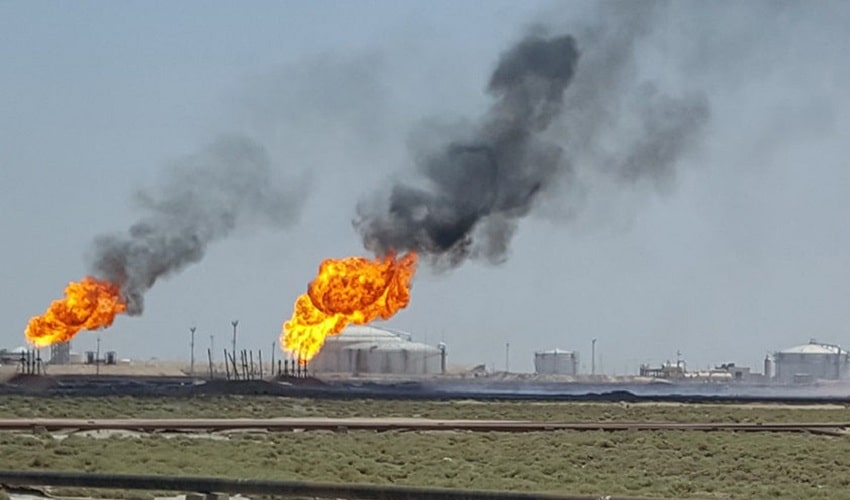
According to energy experts, this discovery could lower import costs, stabilize local supplies, and lessen power outages. The project is also anticipated to add up investment in Pakistan’s energy sector and generate jobs.
Strengthening Pakistan’s Energy Independence
Pakistan is prioritizing the use of domestic resources at the time of this discovery. The subterranean reserves of Karak, which is in southern Khyber Pakhtunkhwa, have long shown promise. Specifically, the Tal Block continues to produce excellent outcomes.
According to experts, the discovery enhances POL’s exploration success and is essential to bolstering the country’s energy security. Pakistan may have more control over energy prices and availability if it lessens its dependency on outside sources.
A Promising Step Toward Energy Stability
The next step is to connect the well to Pakistan’s larger energy infrastructure, with production anticipated to begin shortly. This integration’s success might mark a turning point in the nation’s energy self-sufficiency plan.
Pakistan gets closer to long-term energy stability and economic resilience by using its natural resources.
