

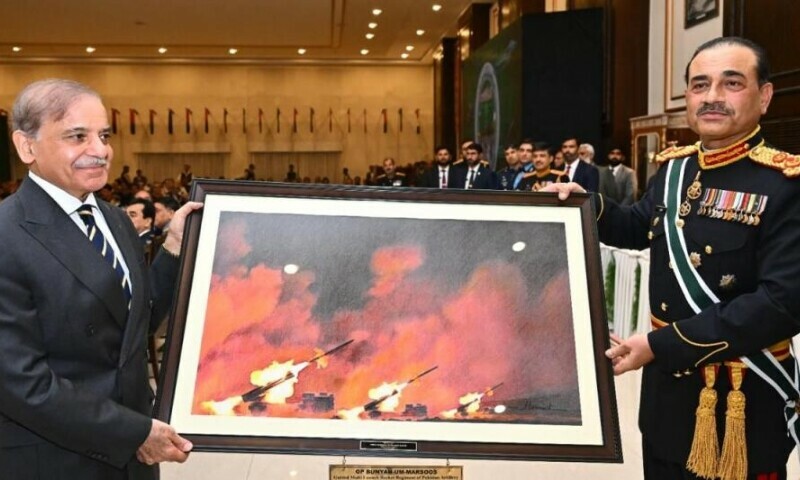
Asim Munir Praises Civil Bureaucracy
Asim Praises Civil Bureaucracy Chief of Army Staff Field Marshal Asim Munir emphasized the vital role of civil bureaucracy in Pakistan’s governance structure while addressing probationary officers of the 52nd Common Training Program (CTP) at the Civil Services Academy (CSA) on Friday.
This interaction, facilitated by the Inter-Services Public Relations (ISPR), aimed to build stronger ties and mutual understanding between civil and military leadership as part of a broader national initiative.
Commitment to Unity and National Purpose
During his speech, Field Marshal Munir emphasized the importance of cooperation between civil and military institutions. He highlighted the need for mutual respect and a shared national vision.
He urged officers to demonstrate integrity, transparency, and professionalism in every aspect of their duties.
“Civil bureaucracy must remain capable, service-driven, and committed to the nation,” he said. “Only with unity can Pakistan achieve strategic and economic progress.”
Political and Strategic Coordination Recognized
Field Marshal Munir also praised Pakistan’s political leadership for its strategic foresight. He emphasized the value of institutional harmony in national security when he made these statements in the face of growing Indian hostility.

He brought up his historic June 18 meeting with former US President Donald Trump. It was the first time a U.S. president and senior Pakistani military officials had met in person.
Civil Officers Gain Military Field Exposure
As part of their training, probationary officers were deployed to Army formations in Kashmir, Khyber Pakhtunkhwa, and Balochistan. These deployments gave them hands-on experience in both peacetime and operational positions.
ISPR reports that young officers gained a better understanding of the Army’s strategic readiness and contributions to national stability as a result of these field visits.
Gratitude for Military Insight and Engagement
A Q&A period at the end of the session encouraged candid communication and shared accountability. Officers conveyed their sincere gratitude for the chance to speak with top military officials.
They thought the interaction was enlightening and motivating. It provided insightful information about the long-term goals and priorities of the Pakistan Army.
Such programs foster “institutional synergy, productive dialogue, and collaborative determination to national success,” according to ISPR’s conclusion.
