


Indus Waters Treaty ruling. The Permanent Court of Arbitration (PCA) has ruled in favor of Pakistan, rejecting the Indian effort to stop arbitration under the Indus Waters Treaty decision. The tribunal made it clear that both countries cannot suspend or terminate the treaty without the consent of each other.
Tribunal Rejects India’s Suspension Request
India wanted to suspend the arbitration on its hydroelectric schemes on western rivers assigned to Pakistan. Pakistan has been protesting these projects since 2016 as a violation of treaties. The PCA however held that the treaty does not provide a provision of unilateral suspension. India is therefore not able to hinder or pull out of the arbitration process.
“The court stated, the PCA will continue with arbitration. Any attempt to weaken this role is a breach of the binding dispute-resolution clause of the treaty.
Pakistan Hails Legal Victory
Prime Minister Shehbaz Sharif hailed the move as a historic diplomatic success. He stressed that the decision confirms the legal position of Pakistan and its adherence to the peaceful resolution of conflicts. This result is a boost to international law and safeguards the rights of Pakistan, Sharif said. He also stated that Pakistan was willing to discuss related matters with India such as Kashmir, water sharing, trade and counterterrorism.
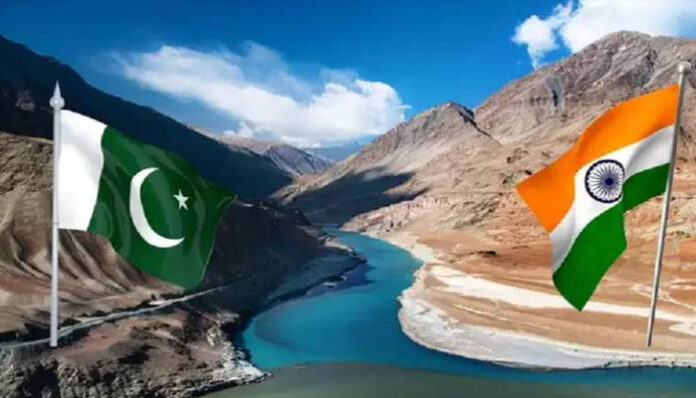
India Branded ‘Water Aggression’
The Foreign Office of Pakistan termed the move by India as water aggression. Authorities claimed that India attempted to weaponize water resources and circumvent legal procedures. A spokesman said India is jeopardizing regional stability and confidence. These violations should be noted by the global community.
Next Steps for Dispute Resolution
As the PCA reaffirmed its jurisdiction, the arbitration will proceed to evaluate the reservoir constructions by India on rivers that are supposed to be given to Pakistan. This decision makes the dispute-resolution mechanism of the treaty active and unbiased.
A Precedent for Transboundary Disputes
The Indus Waters Treaty decision strengthens the importance of respect in international agreements. In addition, it provides a good precedent on how countries should follow legal frameworks in the management of common resources. Going forward, this decision will guide similar disputes worldwide, highlighting the importance of dialogue, law, and global oversight.
Read more about Current Affairs
