

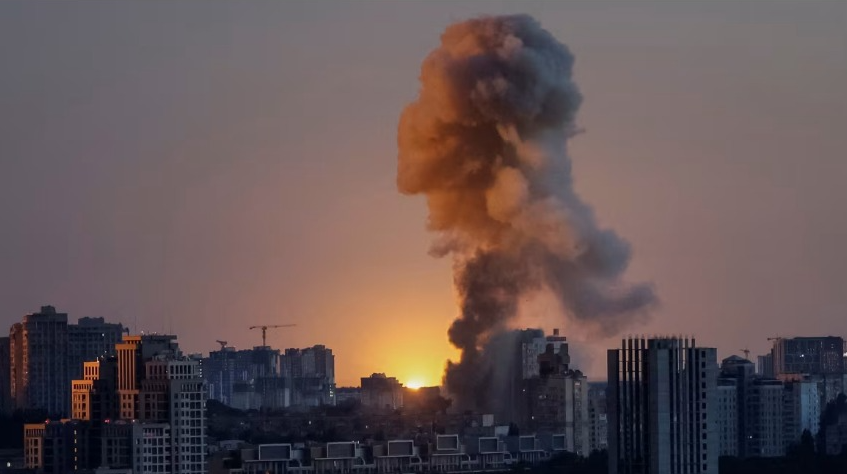
The Ukraine-Russia conflict continues to dominate global headlines as Kyiv braces against a major Russian offensive aimed at seizing more of Ukraine’s eastern regions. While the offensive has been less impactful than anticipated, Russia has made incremental gains and bolstered troop numbers in critical areas. The ongoing conflict reflects both nations’ shifting strategies and resilience amid the devastating war.
Russia’s Continued Ambitions
Russian President Vladimir Putin remains steadfast in his quest for territorial expansion, sidelining ceasefire discussions. Last week, he reiterated his belief that Russia and Ukraine are fundamentally one people. “In this sense, all of Ukraine is ours,” he declared, justifying his unprovoked invasion.
Despite these assertions, Ukraine has launched counterattacks in various regions and is rapidly building a domestic weapons industry. Meanwhile, Russia’s wartime economy faces mounting challenges, with defense spending stretching its financial resources.
The Battle on the Frontlines
The 1,200-kilometer frontline sees constant skirmishes, particularly near the flashpoint city of Pokrovsk in Donetsk. Ukrainian Commander-in-Chief Oleksandr Syrskyi reported the presence of 111,000 Russian troops in one segment alone, a stark increase from 70,000 in December. These reinforcements have intensified the conflict, with over 50 clashes occurring daily in some areas.
In the northern region of Sumy, Ukrainian forces have regained ground, slowing Russian advances. Syrskyi stated, “The wave of attempts at a ‘summer offensive’ launched by the enemy is fizzling out.” However, in the Donetsk-Dnipropetrovsk border region, Russian infantry assaults have gained momentum, capturing villages like Zirka and causing Ukrainian defenses to falter.
Evolving Warfare: The Drone Revolution
A defining feature of this war has been the innovative use of drones by both sides. Ukraine has employed drones in daring attacks on Russian infrastructure, such as strategic bombers and airbases. These missions, often launched deep inside Russian territory, have caused significant damage.
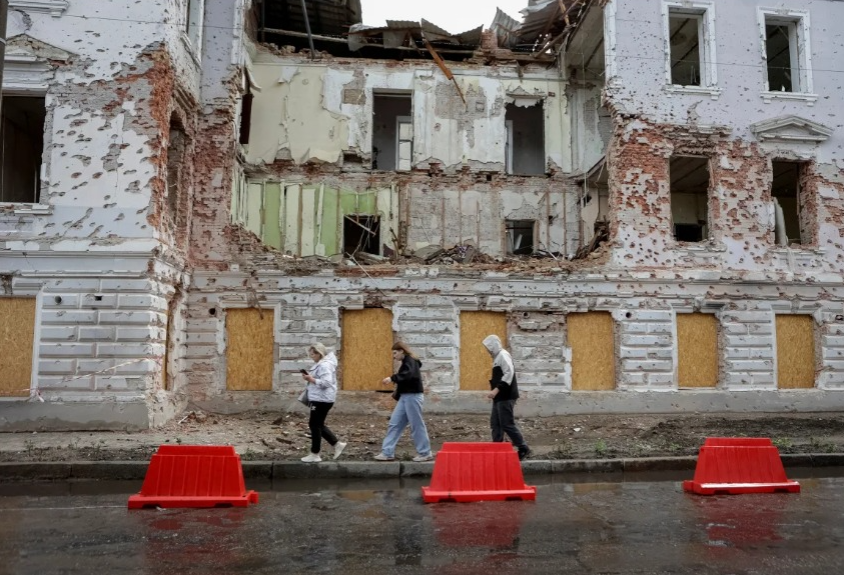
Conversely, Russia relies on mass-produced Iranian-designed Shahed drones, deploying up to 500 nightly alongside ballistic and cruise missiles. These attacks aim to overwhelm Ukraine’s air defenses and inflict substantial damage on cities like Kyiv, which has seen rising civilian casualties.
Ukraine’s President Volodymyr Zelensky has intensified calls for more advanced Western defense systems, including Patriot missile batteries. Ukraine also plans to produce tens of thousands of long-range drones and millions of battlefield drones to sustain its counteroffensive efforts.
Shifting Ground Tactics
Both sides are adapting their ground strategies in response to changing battlefield dynamics. Russian forces employ small infantry units, sometimes traveling by motorbike, to infiltrate abandoned villages. This approach has prompted Ukraine to redesign its defenses, making them smaller, more fortified, and camouflaged to blend with the terrain.
Economic Strains and Long-Term Prospects
Russia’s economy is increasingly burdened by the war. Defense spending now accounts for 40% of public expenditure and over 6% of GDP. Inflation and depleting financial reserves are stoking fears of economic stagnation. Putin acknowledged that economic growth this year would be modest and hinted at potential cuts to defense spending in the future.
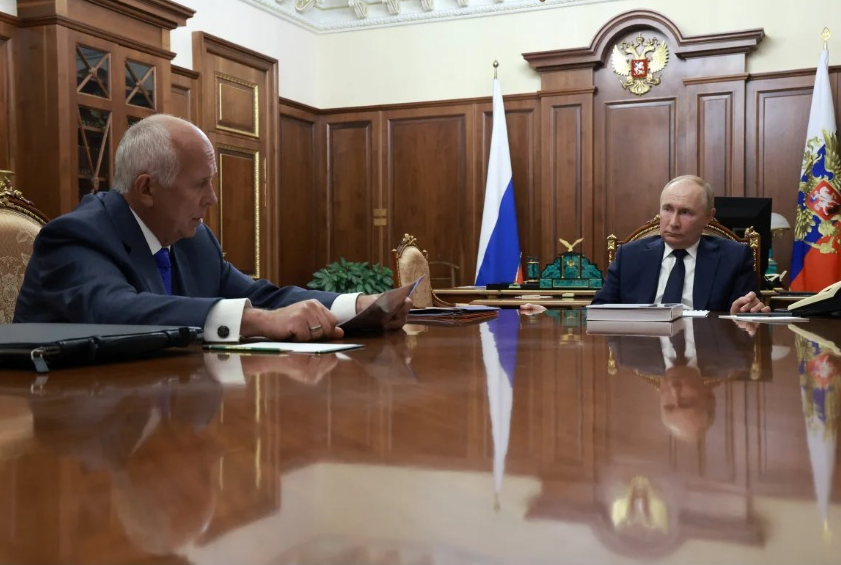
Despite these challenges, Russia’s massive defense conglomerate, Rostec, continues to produce vast quantities of military equipment. Its CEO Sergey Chemezov reported a tenfold production increase since 2021, with revenues reaching $46 billion last year. However, financial analysts warn that these efforts may not be sustainable in the long term.
Ukraine’s Resilience
Ukraine’s growing domestic arms industry reflects its determination to counter Russian advances. By ramping up drone production and fortifying its defenses, Ukraine aims to maintain its territorial integrity and push back against the larger Russian forces. Defense Minister Rustem Umerov highlighted the “constant intellectual struggle” of adapting tactics to meet the evolving threat.
Conclusion: An Uncertain Future
The Ukraine-Russia conflict remains a grueling battle of attrition. While Russia’s military might continues to challenge Ukraine’s defenses, Ukraine’s innovation and resilience offer hope for its sovereignty. As both nations brace for prolonged warfare, the world watches closely, hoping for a resolution to the devastating conflict.
