

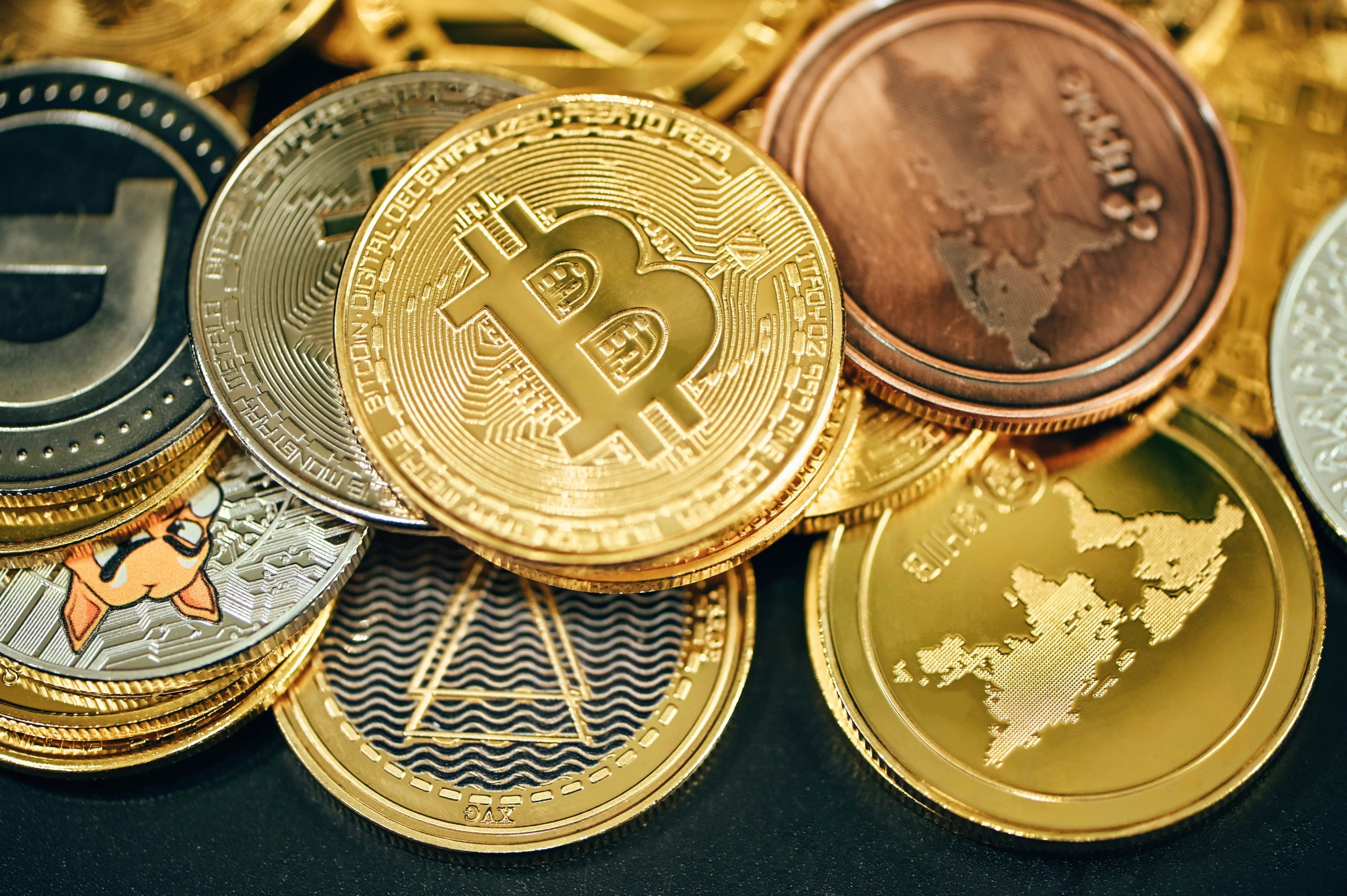
Bitcoin to PKR conversion July 2025 has sparked significant interest among crypto watchers in Pakistan. As Bitcoin experiences another volatile stretch in global markets, its value in Pakistani rupees continues to shift rapidly, affecting both investors and casual traders.
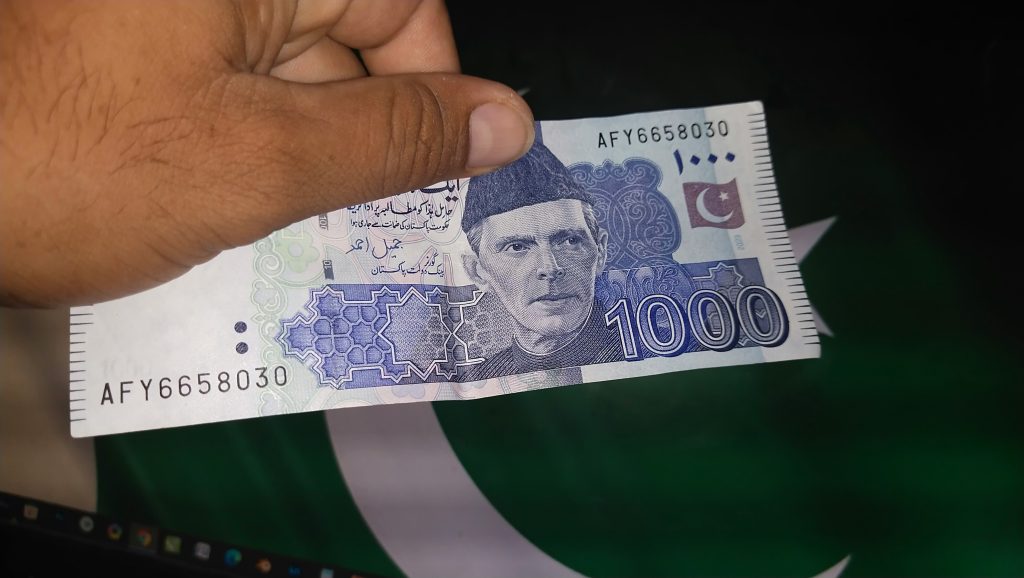
Despite slight recoveries earlier this week, Bitcoin is still struggling to stabilize. As of now, one Bitcoin is priced around PKR 30,620,964.43. For anyone considering buying in bulk, the math becomes substantial. Purchasing 5 Bitcoins would now cost more than PKR 153 million, underscoring how exclusive and high-stakes BTC investment has become in the local market.
Bitcoin’s Market Performance: July 2025 Snapshot
In the past 24 hours, Bitcoin’s trading volume saw a steep decline. Statistics show that global BTC trading dropped by over 32%, pointing to reduced market activity. This means fewer traders are actively buying or selling Bitcoin at the moment.
Despite this dip in trading behavior, the sheer volume of money moving through the Bitcoin market remains massive. Investors and institutions globally traded over PKR 11.4 trillion worth of Bitcoin during this same period, revealing the immense scale of cryptocurrency’s financial footprint even in downtrends.
Bitcoin to PKR Exchange Rate: What You Get for Your Rupees
For those converting Pakistani rupees into Bitcoin, the numbers are incredibly precise due to BTC’s high value and divisible nature. At current rates:
- PKR 1 gets you approximately 0.00000003 BTC
- PKR 50 equals about 0.00000163 BTC
These figures don’t include any transaction or conversion fees charged by exchanges or digital wallet platforms. Fees vary based on the service provider and can significantly impact the final amount received, especially on small-value trades.
Bitcoin in Pakistan: Legal and Regulatory Backdrop
In 2018, the State Bank of Pakistan (SBP) issued an official warning to banks and financial institutions, advising them against dealing in cryptocurrencies such as Bitcoin, Ethereum, and Litecoin. The SBP directed commercial banks to avoid processing or supporting transactions involving digital currencies.
Although Pakistan has not outright banned personal ownership or peer-to-peer trading of cryptocurrencies, these warnings serve as a clear red flag for institutional involvement. As a result, most Pakistani investors rely on international crypto exchanges or local peer networks to manage their Bitcoin assets.
Understanding Bitcoin: A Digital Currency Revolution
So what exactly is Bitcoin? Bitcoin (BTC) is a decentralized digital currency, built entirely on software and cryptography. Unlike traditional currencies like the Pakistani Rupee or US Dollar, no central bank or government controls Bitcoin’s issuance, inflation, or circulation.
Instead, the Bitcoin network operates through a decentralized ledger known as the blockchain, which records every transaction and is verified by a global network of users. This peer-managed model is at the heart of what gives Bitcoin its appeal freedom from centralized financial control.
How Is It Used?
Bitcoin functions like any other currency: users can use it to buy goods and services or convert it into local currency—provided the recipient accepts Bitcoin. Its usage varies by region, with some businesses fully accepting BTC and others limiting or avoiding its adoption altogether.
Bitcoin Mining: Where Do Bitcoins Come From?
Unlike printed currency, Bitcoin enters circulation through a process called mining. Mining involves using powerful computers to solve complex cryptographic problems. Each successful solution verifies a set of transactions, adds them to the blockchain, and earns the user a reward in newly minted Bitcoin.
This process becomes harder over time. Importantly, Bitcoin has a fixed supply cap of 21 million coins. Once this limit is reached, no new Bitcoins will be created, making BTC a deflationary asset. As of mid-2025, approximately 19.6 million Bitcoins have already been mined.
The Debate: Is Bitcoin an Efficient Currency?
Supporters of Bitcoin argue that it offers a more transparent and efficient alternative to fiat currencies. Because no central authority can manipulate Bitcoin’s value, many see it as a hedge against inflation and government-driven devaluation.
Critics, on the other hand, question its long-term viability due to extreme volatility, regulatory uncertainty, and slow transaction speeds compared to centralized banking systems. Bitcoin’s performance in July 2025 highlights this tension, as sharp price fluctuations create both opportunity and risk.
Bitcoin and Global Financial Shifts
Bitcoin has evolved from a niche tech experiment into a mainstream financial asset. Major companies now accept Bitcoin payments, and institutional investors treat it as a store of value similar to gold. However, this increased adoption also invites more regulation.
In the United States, the SEC continues to refine its approach to digital assets. In Europe and Asia, countries have developed crypto taxation and licensing rules to protect investors. Pakistan remains in the gray zone, lacking a clear regulatory framework, though discussions around digital currency policy are ongoing.
Is It Safe to Invest in Bitcoin in Pakistan?
Safety remains a key concern for potential investors. With Pakistan’s official banking sector not supporting crypto transactions, users turn to international platforms. While many exchanges offer strong security, the lack of local oversight means Pakistani users have limited legal protection if things go wrong.
Anyone investing in Bitcoin from Pakistan must:
- Use well-known, regulated crypto exchanges.
- Secure digital wallets with two-factor authentication.
- Understand the risks involved in volatile markets.
Without official backing or legal recourse, caution is not just advised it’s essential.
BTC Price Volatility: What to Expect Moving Forward
Bitcoin’s price moves rapidly. The very factors that make it attractive limited supply, global demand, decentralization also contribute to sharp fluctuations. This week’s price drop and 32% fall in trading volume reflect just how quickly market sentiment can shift.
As new regulations emerge, macroeconomic pressures build, and technological upgrades roll out (like BTC’s Lightning Network for faster payments), Bitcoin’s performance will continue to evolve. While some view this volatility as a risk, seasoned investors often see it as an opportunity.
Final Thoughts: Should You Buy Bitcoin Now?
Whether or not to buy Bitcoin in July 2025 depends on your financial goals, risk appetite, and understanding of the market. With one BTC costing over PKR 30 million, most investors in Pakistan explore fractional purchases owning just a small piece of a coin.
Remember:
- Always convert BTC using updated rates.
- Factor in exchange and withdrawal fees.
- Avoid emotional decisions based on short-term movements.
- Never invest more than you’re willing to lose.
For serious investments, consult financial experts familiar with cryptocurrency. And always double-check rates with trusted sources before buying or selling Bitcoin in PKR.
