

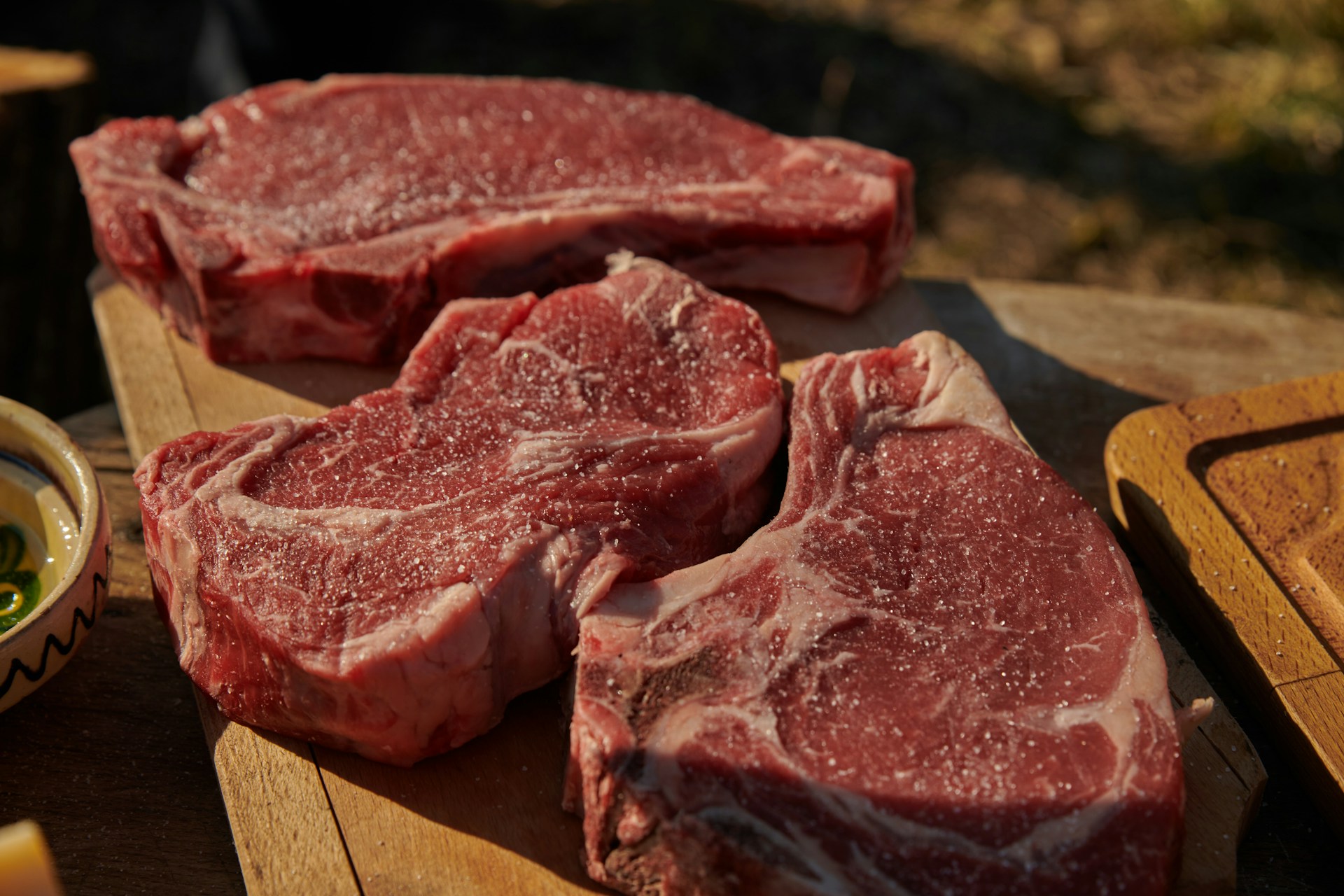
The India beef export paradox presents a striking contradiction between international trade success and deep-rooted domestic tensions. India is the second-largest beef exporter in the world, and it makes about 3.8 billion dollars annually in this industry. Amazingly, the majority of these exports are buffalo meat, which is in high demand in other regions like Southeast Asia and the Middle East. This trade thrives even though a large percentage of the Indian population is vegetarian, influenced by culture and religion.
The strong performance of India in the international beef trade indicates its importance in the international food supply chains. Countries in the Gulf and Asia still depend on Indian buffalo meat because of its quality, affordability, and supply. These exports are a significant source of income to the national economy, as they offer employment, foreign exchange, and income to thousands of people engaged in the meat production and processing sector.
This thriving export trade, however, is in sharp contrast with the home feeling. The consumption of beef in India is a subject that elicits a lot of cultural and religious responses especially among the Hindu communities who consider cows as sacred. Although the meat exported is that of buffaloes, which are not worshipped in the same manner as cows, a large number of people in the country are suspicious or disapproving of all bovine slaughter.
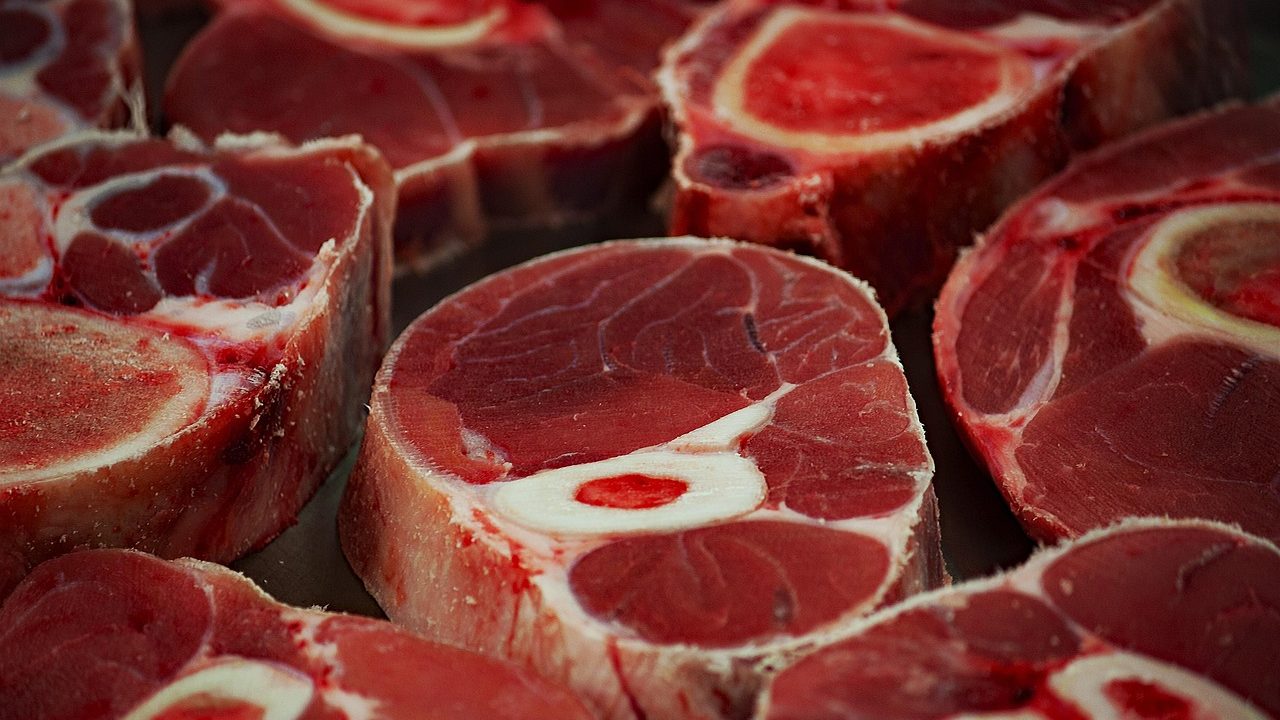
The Social & Political Implications of Beef Consumption
In India, beef consumption has led to many acts of violence in the past. In other extreme situations, such incidences have led to loss of lives, destruction of property and increased communal tensions. Some political and religious forces have even used the issue to advance wider cultural discourses, which have resulted in more state-level restrictions and social polarisation.
This paradox of global trade and local culture is the essence of the India beef export paradox. On the one hand, India is proud of being a major exporter of beef. On the one hand, a great number of citizens are against the very concept of slaughtering bovines, whether they are cows or buffaloes. Governments are usually under a lot of pressure to control this industry, balancing between economic prosperity and social stability.
Furthermore, this paradox is not only a cultural problem but also a socio-economic one. Although urban elites can condemn beef bans as retrogressive, buffalo rearing and meat processing is a major source of income to many rural communities. Meat trade crackdowns can affect the livelihoods of thousands of people, especially those who are economically marginalised.
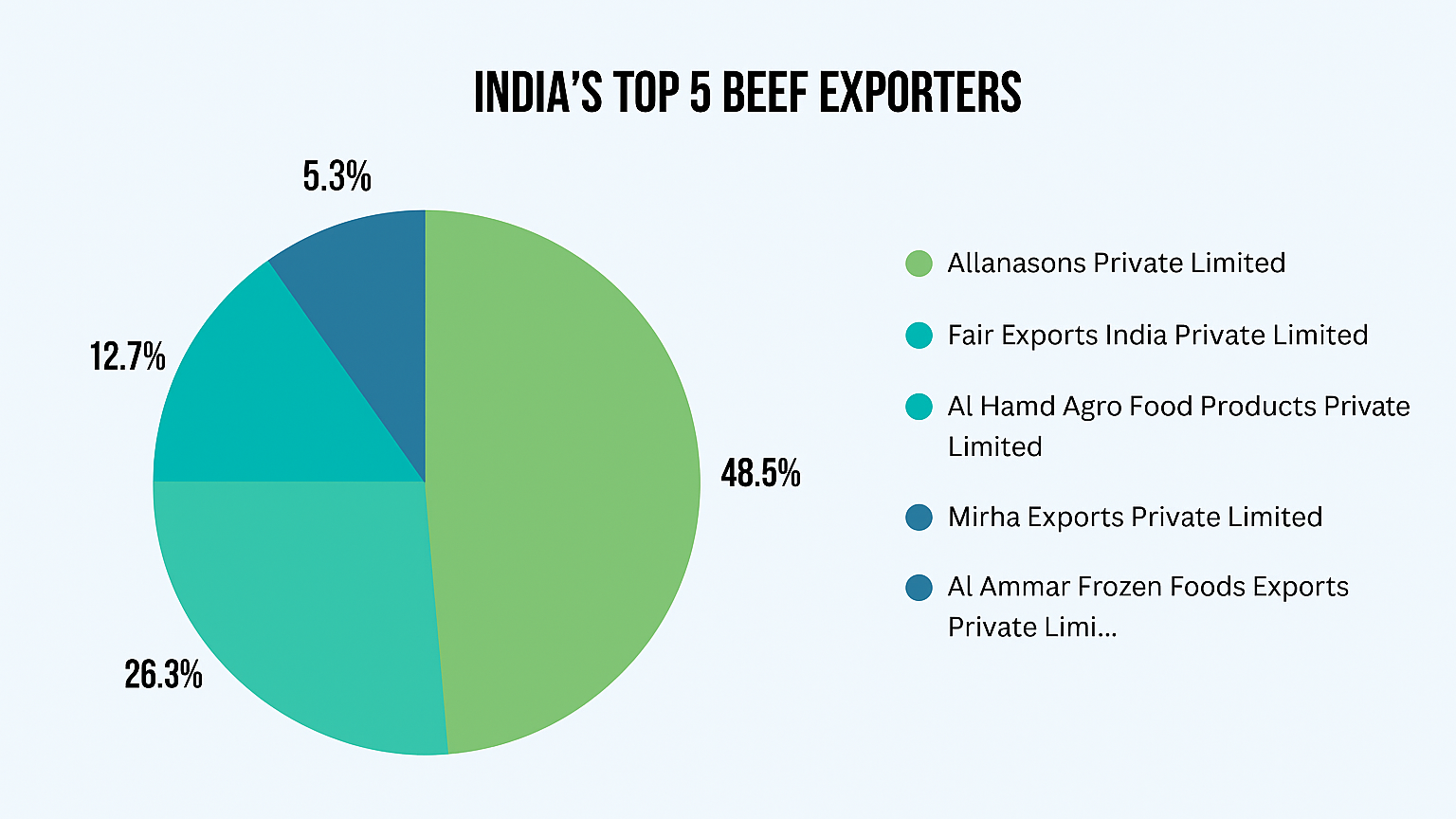
India beef export paradox is a perfect example of the interplay of globalisation, religion, tradition, and modern economics. India is a major player in the international beef market. However, the country faces internal conflict over the ethical and cultural impact of this trade. This paradox is probably going to be a controversial one. It is a more fundamental conflict in the country- a conflict between traditional values and modern economic ambitions.
Stay connected with Closeup Pakistan on X, Medium, Instagram, and Facebook for the latest updates on Business, Shipping, technology, and Current affairs in Pakistan.
