


Pilgrim system Pakistan the Government of Pakistan has introduced a major reform to improve pilgrimage travel to Iran and Iraq. A new system will take effect on January 1, 2026, aiming to boost safety, coordination, and accountability. This updated plan replaces the traditional Salar system and introduces a registered Group Organizer model.
Interior Minister Mohsin Naqvi led a high-level meeting of the Special Task Force on Pilgrim Affairs, formed on the instructions of Prime Minister Shehbaz Sharif. Senior ministers including Sardar Yousuf, Chaudhry Salik Hussain, and Talal Chaudhry attended the meeting. Together, they reviewed progress and approved measures for smoother and safer pilgrim journeys.
Registered Organizers to Replace Salar System
From January 2026, only approved group organizers will manage pilgrim travel to Iran and Iraq. This shift eliminates the long-standing Salar system. Each group organizer must undergo official registration and screening.
The government plans to enhance safety, reduce fraud, and improve service quality through this model. Pilgrims will benefit from better coordination and clear accountability during their sacred trips.
Interior Ministry Prioritizes Pilgrim Safety
Interior Minister Naqvi reaffirmed the government’s dedication to pilgrim safety. He emphasized the need to stop exploitation and poor management. “We will shield our pilgrims from travel issues and illegal practices,” Naqvi stated.
The ministry is actively working to make religious travel more secure and organized. Authorities aim to address all major complaints that pilgrims face each year.
More Flights for Arbaeen and Iran Travel
To manage growing demand, the Civil Aviation Authority (CAA) announced new flights. For the upcoming Arbaeen pilgrimage, the government will operate 107 special flights to Iraq.
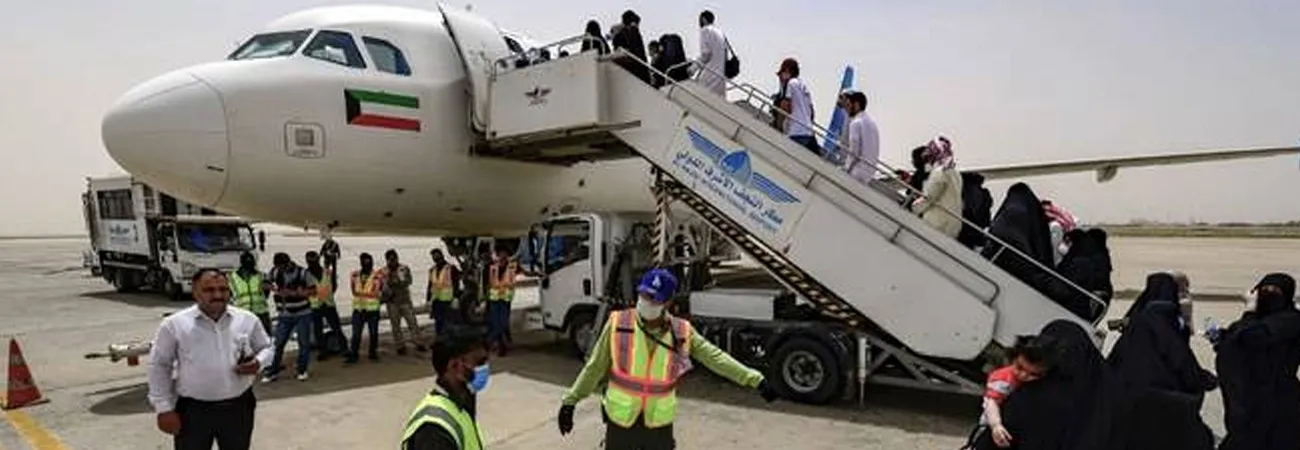
Meanwhile, flights to Iran have increased from 6 to 15 per week. Authorities plan to add more flights soon. These changes aim to reduce travel delays and provide more options for pilgrims.
Government Launches Crackdown on Illegal Operators
The ministry has ordered strict action against those misusing religious travel for illegal activities. Minister Naqvi warned that anyone using pilgrimages for unlawful purposes will face legal action.
Security agencies have been tasked to monitor, investigate, and penalize those involved in unauthorized travel schemes. This move aims to stop exploitation and ensure only genuine pilgrims benefit from the system.
Over 1,400 Organizer Applications Under Review
So far, officials have received 1,413 applications for registration as group organizers. Each applicant is now undergoing a thorough screening process. This step ensures only qualified organizers manage pilgrim groups.
The screening includes checks for legal compliance, operational readiness, and logistical capabilities. Authorities want to ensure pilgrims travel under professional supervision.
Ferry Service for Pilgrims Under Consideration
To further ease travel, the task force also discussed a ferry service plan. This service could connect Pakistan to Iran and Iraq by sea. If approved, the ferry route may operate from Karachi or Gwadar ports.
This project would offer a cost-effective and safer alternative to air and land routes. Many low-income pilgrims could benefit from this option. Authorities continue evaluating its feasibility.
Land Routes Under Review After Ashura
Land-based pilgrim travel remains under discussion. Officials will review land routes to Iran after Ashura (10th Muharram). The decision depends on the security situation in the region.
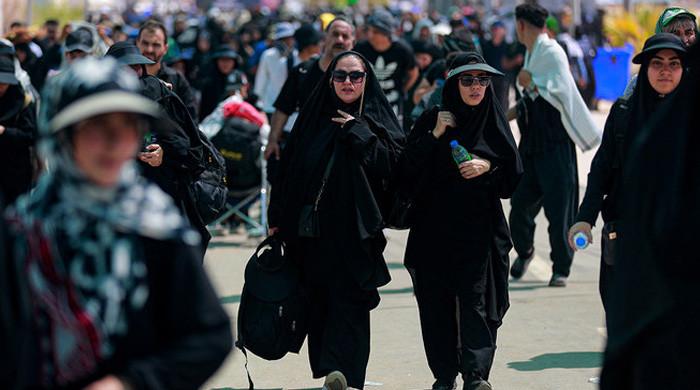
Currently, land travel poses risks due to delays, overcrowding, and lack of facilities. The government plans to assess road safety, border processing, and regional conditions before approving large-scale land travel.
Key Benefits of the New Pilgrim System
The new system brings many benefits to Pakistani pilgrims. These include:
- Organized group travel under licensed operators
- Increased flight options for Iran and Iraq
- Reduced fraud and illegal movement
- Improved safety measures at every stage
- Accountability and government oversight
- Future ferry route for low-cost pilgrim transport
With these reforms, the government wants to ensure that every pilgrim enjoys a peaceful, respectful, and trouble-free journey.
A Major Shift Toward Modern Pilgrimage Management
The Pakistan new pilgrim travel system represents a historic step forward. This initiative introduces regulation where it was long absent. For decades, pilgrims faced poor coordination, lack of support, and exploitation.
By creating a centralized, verified organizer model, Pakistan aims to ensure every pilgrim receives fair treatment and safe passage. The upcoming changes reflect a larger goal to modernize religious travel, while respecting sacred traditions.
Conclusion: A Safer, Smarter Path for Pilgrims
The federal government’s new policy, starting in 2026, marks a transformational shift in managing pilgrim travel. The system prioritizes safety, coordination, and transparency. With more flights, stricter rules, and future ferry options, the initiative creates a comprehensive solution to long-standing challenges.
As Pakistan transitions to this new structure, officials hope it will usher in a new era of organized, secure, and spiritually fulfilling pilgrimages for all.
This new system reflects Pakistan’s commitment to safer, well-organized pilgrimages. It ensures transparency, improves services, and protects pilgrims while promoting trust in religious travel management nationwide.
Learn more Latest news
