

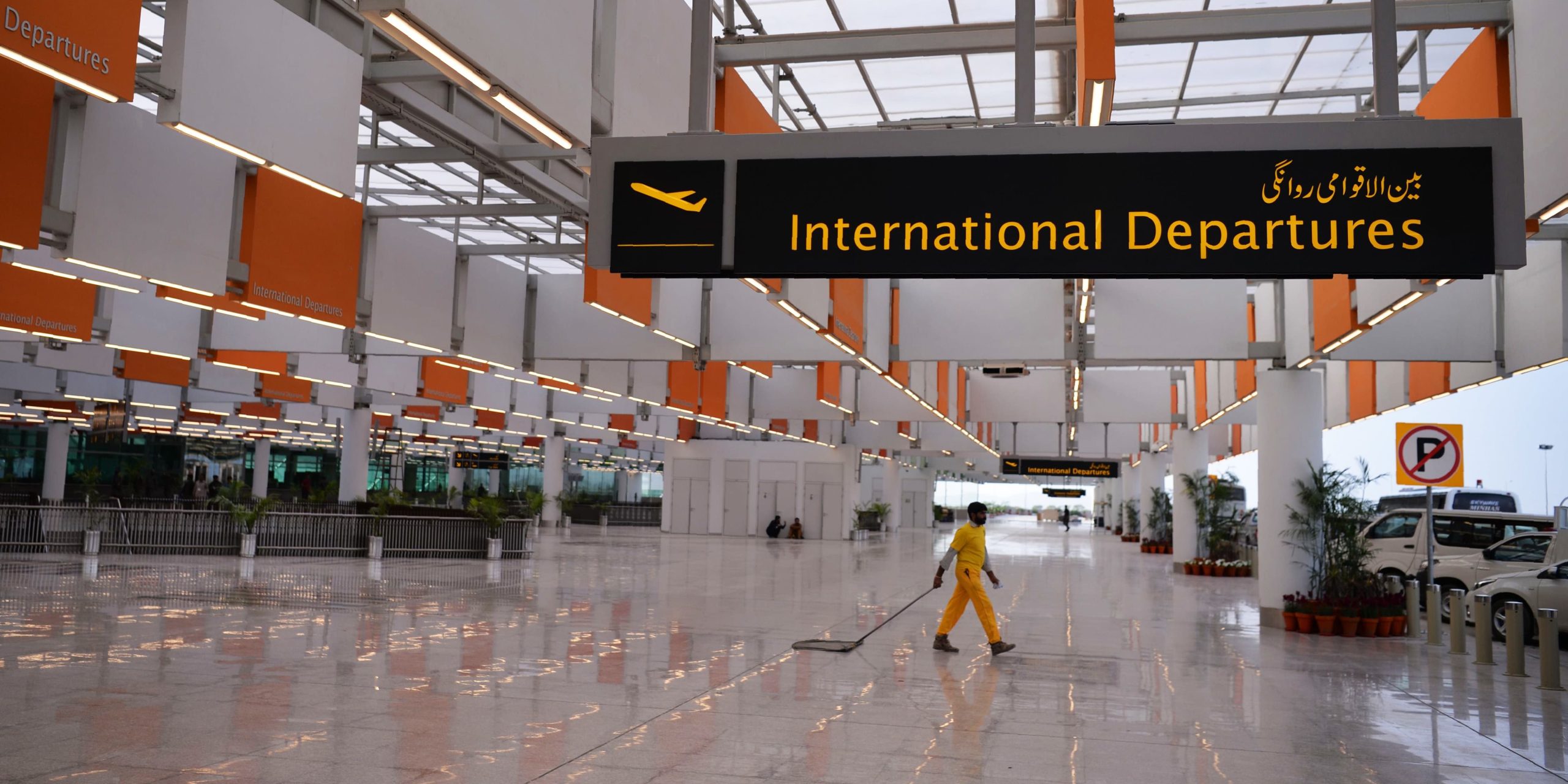
Pakistan to Build 3 New Airports in Key Cities to Strengthen Aviation Network
The Pakistan Airports Authority (PAA) has launched an ambitious plan to boost the country’s aviation sector by constructing three new airports in Mirpur (Azad Kashmir), Dera Ismail Khan, and Hyderabad. In parallel, Sukkur Airport will undergo a full-scale reconstruction to serve as a regional hub for northern Sindh. These major infrastructure developments are part of a national vision to improve air connectivity across neglected areas of Pakistan.
According to officials, these airport projects are advancing steadily through different stages, including feasibility studies, land acquisition, and planning operations. Authorities see this initiative as a critical step toward enhancing the country’s transportation capacity, increasing economic opportunities, creating employment, and drawing both domestic and foreign investment.
Targeted Locations Chosen for Maximum Connectivity
Mirpur Airport – Direct Access for Azad Kashmir
Mirpur, which has a sizable Pakistani community abroad, particularly in the UK, is about to get a new airport. According to officials, land procurement is underway and the feasibility study is almost finished. Azad Jammu and Kashmir, which presently relies on the airports in Islamabad or Sialkot, will have direct access to the airport once it is operational.
The new airport will reduce travel hassle for the diaspora, business travelers, and tourists while serving as a vital link for passenger and cargo traffic in the mountainous region. This strategic move aims to eliminate the long-standing transportation barrier faced by locals and visitors alike.
Dera Ismail Khan – Bridging Connectivity Gaps in Southern KP
For years, Dera Ismail Khan—a key city in southern Khyber Pakhtunkhwa—has lacked sufficient access to air travel. Now, with land acquisition underway, the government is moving toward establishing a new airport. This facility will serve a wide population, including nearby tribal areas, addressing a significant infrastructure gap in the region.
It is anticipated that the airport will facilitate regional trade, improve economic integration, and serve as a direct conduit for logistics and agricultural-based sectors. A significant change in policy toward balanced regional development is reflected in the project.

Hyderabad Airport – Reactivation with Training and Commercial Flights
Hyderabad, Sindh’s second-largest city, will see the restoration of commercial flight operations as part of the new plan. Additionally, authorities intend to set up an aviation training institute to cultivate skilled professionals in aviation and aerospace.
The airport’s reopening will benefit the city’s industrial and educational sectors while reducing flight pressure on Karachi’s Jinnah International Airport. By strengthening Hyderabad’s air link, the government aims to support the economic revival of interior Sindh.
Sukkur Airport Set for Complete Overhaul
Alongside the new airport projects, the government has approved a total reconstruction of Sukkur Airport. During a briefing to the National Assembly, the PAA outlined its plan to convert Sukkur into a fully-equipped regional hub capable of handling larger aircraft and heavier flight volumes.
This development will enable the airport to act as a major transit facility between Sindh, Balochistan, and South Punjab. The modernized infrastructure will stimulate regional business, support tourism, and provide relief to Karachi airport, which currently manages the bulk of the province’s air traffic.
Global Consultants Join for World-Class Designs
To ensure that Pakistan’s aviation upgrades meet international standards, the PAA has brought on board design and planning consultants from Japan and Switzerland. These foreign experts will help implement modern architecture, environmental sustainability, and advanced technology into the new and upgraded airports.
Their involvement is expected to improve project efficiency, guarantee quality, and ensure alignment with global civil aviation regulations. The government’s collaboration with international partners also reflects its commitment to transparency and professionalism in execution.
Broader Aviation Strategy for a Connected Pakistan
These airport developments are part of a nationwide policy aimed at revamping the country’s aviation infrastructure, especially in second-tier cities and remote regions. Pakistan has struggled with outdated airport facilities and limited air travel options, particularly outside its major urban centers.

With this new direction, the government aims to:
- Improve access to domestic and international flights
- Shorten travel times for underserved communities
- Support national and regional trade growth
- Generate thousands of jobs across multiple sectors
- Attract foreign and private investment into logistics and tourism
This integrated plan supports the government’s goal of a connected Pakistan, where air travel complements road, rail, and future high-speed transport networks.
Economic and Social Benefits on the Horizon
The impact of these airport projects goes far beyond new terminals and runways. They represent long-term infrastructure investments that can change the social and economic fabric of Pakistan:
- In Mirpur, the airport will improve mobility for the diaspora and attract tourism.
- In Dera Ismail Khan, the facility will drive progress in an underdeveloped region.
- In Hyderabad, the reopening supports industry, education, and employment.
- In Sukkur, the upgraded airport will become a critical regional transportation link.
Together, these airports offer inclusive growth opportunities and aim to reduce developmental disparities between major cities and smaller towns.
Final Thoughts
An important turning point in Pakistan’s aviation history has been reached with the decision to construct three new airports and completely renovate Sukkur Airport. These advancements have the potential to revolutionize air connectivity throughout the country with the help of institutional support, global expertise, and strategic vision.
The foundation for a more robust and inclusive aviation network is being established as land is secured and feasibility studies proceed. In addition to increasing Pakistan’s transportation efficiency, this renewed emphasis will open up enormous economic potential in previously underserved areas.
Learn more about Airports News
