

Govt Clears Four Bidders for PIA Privatisation in Landmark Move
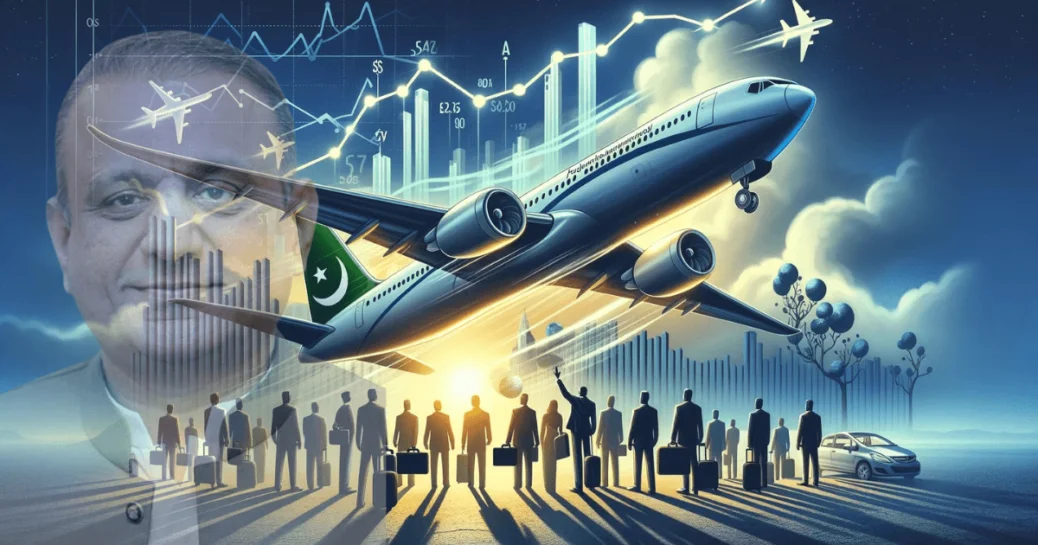
In a major step toward the long-awaited privatisation of Pakistan International Airlines (PIA), the government announced on Tuesday that four potential bidders have been pre-approved to proceed to the next phase of the bidding process. This move, part of broader economic reforms under a $7 billion International Monetary Fund (IMF) program, could mark the country’s first large-scale privatisation in nearly two decades.
The state has been seeking to offload a controlling stake ranging from 51 to 100 percent—in the debt-ridden national carrier. This development is being seen as a pivotal moment in Pakistan’s efforts to overhaul loss-making state-owned enterprises and restore investor confidence.
Four Key Players Pre-Approved for PIA Bidding
According to a statement released by Privatisation Minister Muhammad Ali, the Cabinet Committee on Privatisation (CCOP) has approved four bidders. These include prominent local business groups and a military-backed firm. The approved entities will now begin the due diligence process, a critical stage before final bids are submitted.
Among the cleared bidders is a consortium made up of some of Pakistan’s leading industrial firms—Lucky Cement, Hub Power Holdings, Kohat Cement, and Metro Ventures. These entities, known for their strong financials and industrial experience, are being closely watched for their potential to turn PIA around.
Another major contender is a group led by Arif Habib Corporation, a significant player in Pakistan’s investment landscape. This consortium includes Fatima Fertiliser, one of the country’s leading agricultural firms; The City School, a major private education provider; and Lake City Holdings, a prominent real estate developer.
Also joining the fray is Fauji Fertiliser Company, a military-backed conglomerate with a reputation for strong governance and operational efficiency. The final approved bidder is Airblue, a private airline with an established domestic and international route network.
Government’s Push for Reform Through Privatisation
The approval of these bidders signals the government’s seriousness in implementing long-overdue reforms in state-owned enterprises. PIA, once a symbol of national pride, has for years struggled with mounting losses, operational inefficiencies, and mismanagement. Its privatisation has been a contentious issue but is now being accelerated due to IMF requirements.
The government aims to complete the privatisation by the end of 2025, with the final bidding and negotiation phase expected in the fourth quarter. This timeline provides the potential buyers with two to two-and-a-half months for comprehensive due diligence, including financial audits and operational assessments.
Privatisation Minister Muhammad Ali emphasized the importance of this step, stating, “The pre-qualified parties will now proceed to the buy-side due diligence phase. This is a transparent and competitive process aimed at securing the best value for the nation.”

What the Sale Means for PIA’s Future
Selling a majority or full stake in PIA represents not just a financial transaction but a critical shift in how Pakistan manages its public assets. The move is aimed at bringing in private sector efficiency, improving service standards, and reducing the financial burden on the national exchequer.
Currently, PIA operates with over Rs700 billion in liabilities and has suffered operational losses for years. In recent months, its international operations have also been under scrutiny due to safety concerns and reduced access to global routes. Industry analysts believe that a successful privatisation could help the airline re-enter key markets, update its fleet, and introduce modern business practices.
However, concerns remain about how the transition will affect employees, ticket prices, and national air connectivity. Labour unions have raised alarms over potential layoffs, while aviation experts caution that restructuring must be handled carefully to maintain route networks and public service obligations.
International Interest and Strategic Implications
While all current bidders are domestic, insiders believe foreign investors may still enter the scene. They could join later through partnerships or joint ventures after the sale. The inclusion of major local business groups shows the government likely wants to keep control within national hands, at least at the start.
The presence of Fauji Fertiliser and Airblue adds strategic weight. Fauji, backed by the military and known for its structured operations, could bring much-needed stability to PIA. Airblue, with its aviation experience, stands out as a practical bidder. Its operational knowledge could help streamline systems and boost competition.
Roosevelt Hotel: Another Major Asset in the Spotlight
In a related development, the government approved the sale structure for the Roosevelt Hotel in New York. This historic property, located in Midtown Manhattan, remains one of PIA’s most valuable foreign assets.
The Cabinet Committee on Privatisation (CCOP) has greenlit two options: a full sale or a long-term lease. Privatisation Minister Muhammad Ali stated that the government expects to earn over $100 million this year if the deal is finalized.
This decision aligns with the broader plan to sell off loss-making or idle assets. By doing so, the government hopes to boost liquidity and improve the national economy. The Roosevelt Hotel deal, combined with the PIA privatisation, may help stabilize Pakistan’s finances and reassure global lenders.

Challenges Ahead
These announcements mark progress, but challenges remain. The due diligence phase may uncover hidden debts or operational flaws. Pakistan’s unstable political climate could also disrupt or delay the process.
Public sentiment is divided. Some people welcome the move as necessary to eliminate failing state assets. Others fear job cuts, higher ticket prices, and reduced national control over air routes.
Critics point to past privatisations that failed to meet expectations. In many cases, the government sold assets at low prices or created monopolies. To build public trust, the government must keep the process transparent and follow global standards.
Economic and Political Ramifications
If the PIA sale succeeds, it may open the door for future privatisations. Pakistan Steel Mills and power companies are likely next. The deal could also improve Pakistan’s image with global investors and IMF officials.
For the government, it could be a major win before elections. It would show progress on reforms and commitment to IMF goals. But any misstep could cause backlash from unions and political opponents.
Conclusion
Approving four bidders for PIA is a bold step in Pakistan’s economic journey. If done right, the deal can revive the airline, reduce financial pressure, and restore investor confidence.
Still, the road is complex. The government must act carefully keeping the process clear, valuing assets fairly, and focusing on long-term gains. This is not just a sale it’s a test of reform.
As due diligence begins, the spotlight is on Islamabad. The next few months will show whether the government can balance financial goals with national interest and public service.
Read more Latest news
