

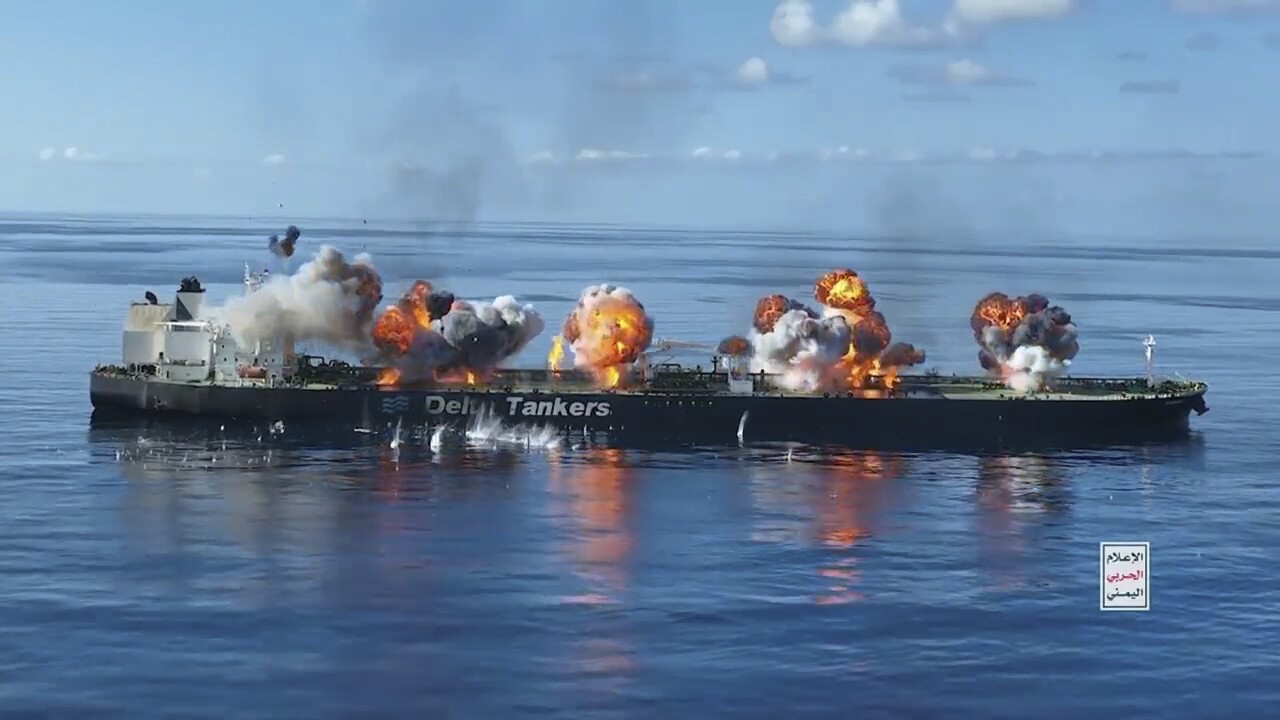
Houthi Airport Attack The Houthi rebels in Yemen have intensified their military campaign by attempting a missile strike on Israel’s Ben Gurion Airport, shortly after sinking two commercial ships in the Red Sea. These actions mark a significant escalation in the group’s ongoing operations, which they claim are aimed at pressuring Israel to halt its offensive in Gaza.
Missile Fired at Israel’s Airport
On Thursday, Houthi military spokesperson Yahya Saree confirmed the launch of a ballistic missile targeting Ben Gurion Airport in Israel. He described the act as a “qualitative military operation.” Israel’s defense forces reported that the missile was successfully intercepted before it could inflict any damage. Although the missile failed to reach its target, the attempted strike demonstrated the Houthis’ growing military capabilities and intent to expand their involvement in the Israel-Gaza conflict.
The missile launch follows months of Houthi attacks on international shipping, initiated in November 2023. The rebels have conducted more than 100 maritime operations, mainly targeting vessels they allege are linked to Israeli interests.
Two Red Sea Ships Sunk
Earlier this week, the Houthis struck two commercial ships in the Red Sea. On Monday, they attacked the Eternity C, a Liberian-flagged cargo vessel operated by a Greek company. The attack killed at least four of the 25 crew members. Ten survivors were rescued from the sea, while 11 others remain missing. Maritime sources told Reuters that the Houthis are currently holding six of those missing crew members.
The European Union’s naval task force Aspides, which monitors the Red Sea, confirmed that the Eternity C sank on Tuesday. The vessel had been operating in waters increasingly targeted by the Houthis.
In a statement on Wednesday, Saree claimed that Houthi fighters rescued several crew members from the sunken ship, provided them with medical aid, and moved them to a secure location.
US Condemns Detainment
However, the United States Embassy in Yemen strongly refuted this narrative. In a post on social media platform X, the embassy accused the Houthis of abducting the sailors. “The Houthis killed crew members, sank their ship, and are now holding survivors hostage, all while obstructing rescue efforts,” the statement read.
This incident occurred just one day after the Houthis also attacked and sank the Magic Seas, another vessel allegedly linked to Israeli companies. All crew members aboard the Magic Seas were safely rescued, but the dual attacks underline the Houthis’ renewed determination to block maritime traffic tied to Israeli entities.
Rebels Justify Attacks
The Houthis have defended their actions by declaring that ships associated with Israeli companies remain valid military targets. The group vowed to prevent Israeli navigation in the Red Sea and Arabian Sea until Israel ends its military offensive in Gaza and lifts the blockade.
Their official statements tie the attacks directly to solidarity with Palestinians, framing the campaign as part of a broader resistance against Israeli policies.
Israeli Counterstrikes
In retaliation, Israel launched airstrikes late Sunday targeting key Houthi positions in Yemen. These included bombing the ports of Hodeidah, Ras Isa, and as-Salif, along with striking the Ras Qantib power plant.
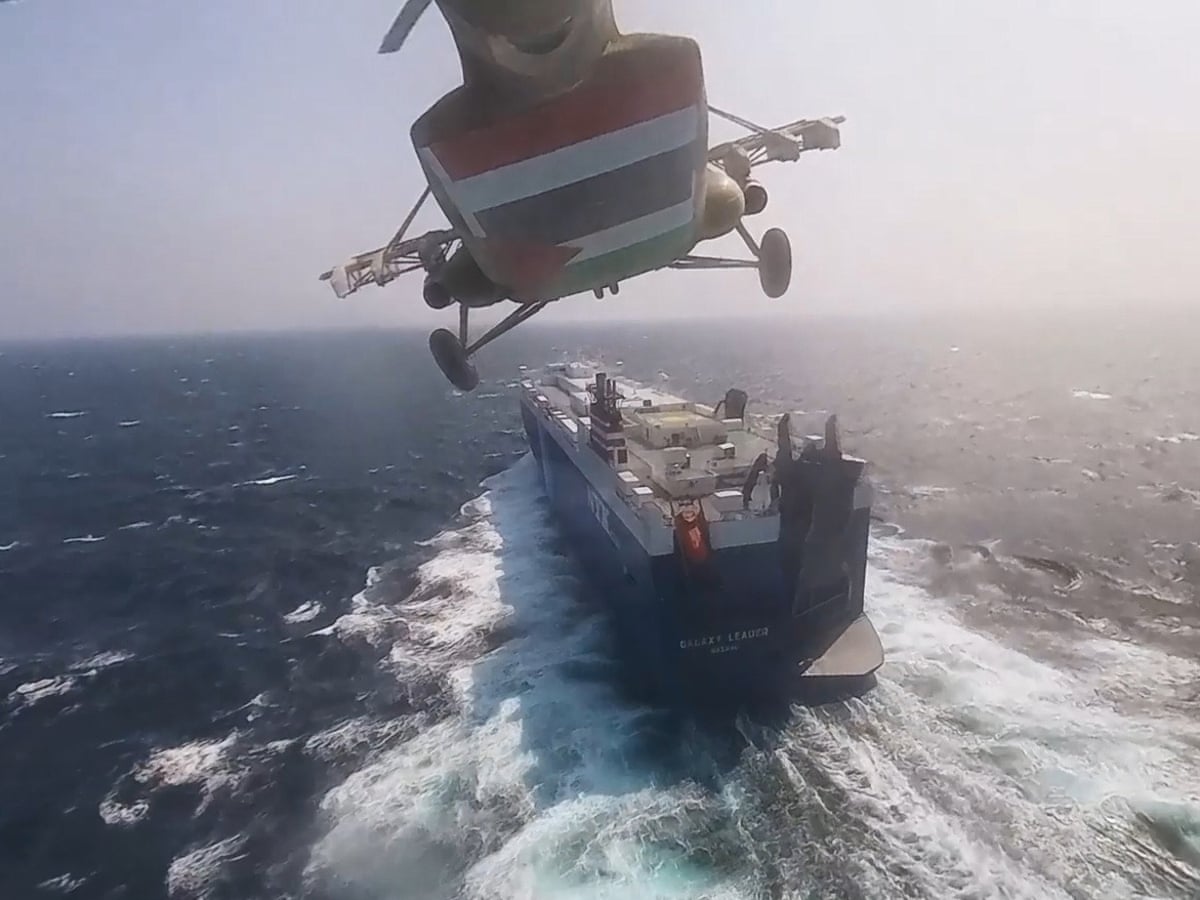
Israel’s military also hit the Galaxy Leader, a ship previously seized by the Houthis in late 2023. The Houthis had detained the Galaxy Leader and its 25-member crew at the Ras Isa port. The crew remained in captivity for 430 days before being released in January 2025.
Threats to Global Trade
The growing number of Houthi attacks has turned the Red Sea into a highly volatile region. The Bab el-Mandeb Strait and nearby waters are critical to global trade, including the transit of oil, food, and consumer goods. Many international shipping firms have started diverting their vessels away from the region, increasing delivery times and costs significantly.
The EU’s Aspides naval mission and U.S.-led forces are actively monitoring the situation, attempting to safeguard maritime routes. Yet, with the Houthis increasing their use of missiles and drones, shipping operations face ongoing risks.

International Reactions
The International Maritime Organization (IMO) and the International Transport Workers’ Federation (ITF) condemned the targeting of civilian vessels and called for urgent diplomatic efforts to de-escalate the crisis.
Meanwhile, the use of ballistic missiles against civilian infrastructure, such as airports, has sparked concerns among regional and global powers. The United States and several European countries are pushing the United Nations for stronger sanctions and preventive measures against Houthi leaders and their supporters.
Ongoing Regional Instability
The situation in the Red Sea reflects the broader instability caused by the Gaza conflict and its regional ripple effects. As the Houthis continue their attacks under the banner of supporting Palestine, they risk drawing other countries into a prolonged conflict that affects international peace and commerce.
For shipping crews caught in these attacks, the danger is immediate and life-threatening. Families of the missing sailors remain in anguish, and humanitarian organizations are demanding immediate access to the detained crew.
Without a diplomatic breakthrough, this cycle of attack and retaliation threatens to escalate further, potentially drawing in more actors from across the Middle East and beyond.
Read More Latest News
