
Close Menu
  • Latest Trends
    • Politics
    • Current affairs
  • Current affairs
    • Finance
    • Politics
  • Entertainment
  • Sports
  • Weather
  • Fashion & Lifestyle
  • Shipping& Ports

Subscribe to Updates

Get the latest creative news from FooBar about art, design and business.

What's Hot

Gen Z Would Marry AI – 80% Say “I Do” to Digital Love

August 6, 2025

US and Pakistan Strike Trade Deal

July 31, 2025

Government Bans Road Travel for Arbaeen Pilgrims

July 28, 2025
Facebook X (Twitter) Instagram
CloseUp Pakistan
  • Latest Trends
    1. Politics
    2. Current affairs
    3. View All

    US and Pakistan Strike Trade Deal

    July 31, 2025

    Gandapur Urges State Institutions to Initiate Dialogue with PTI

    July 13, 2025

    Pakistan Army Chief’s Power Tour Stuns Global Stage Diplomacy or Strategy Masterstroke

    July 10, 2025

    Shockwaves in Islamabad Interior Minister Breaks Silence on Zardari Resignation Rumors

    July 10, 2025

    US and Pakistan Strike Trade Deal

    July 31, 2025

    Government Bans Road Travel for Arbaeen Pilgrims

    July 28, 2025

    PTCL Financial Losses Deepen in First Half of FY25

    July 13, 2025

    UAE Promises Easier Visa Access for Pakistanis

    July 12, 2025

    Gen Z Would Marry AI – 80% Say “I Do” to Digital Love

    August 6, 2025

    Chinese EV Giant BYD to Assemble Cars in Pakistan by 2026

    July 27, 2025

    Meta to Invest in Superintelligence: Push for AI Dominance

    July 15, 2025

    Bitcoin Tops $120k for First Time

    July 14, 2025
  • Current affairs
    • Finance
    • Politics
  • Entertainment
  • Sports
  • Weather
  • Fashion & Lifestyle
  • Shipping& Ports
Subscribe
CloseUp Pakistan
Home » Slow Steaming in Shipping: Why Going Slower is the Future of Sustainable Maritime Transport
Shipping and Ports

Slow Steaming in Shipping: Why Going Slower is the Future of Sustainable Maritime Transport

adminBy adminMay 24, 2025No Comments3 Mins Read
Facebook Twitter Pinterest LinkedIn Tumblr WhatsApp VKontakte Email
Slow Steaming in Shipping: Why Going Slower is the Future of Sustainable Maritime Transport
Share
Facebook Twitter LinkedIn Pinterest Email

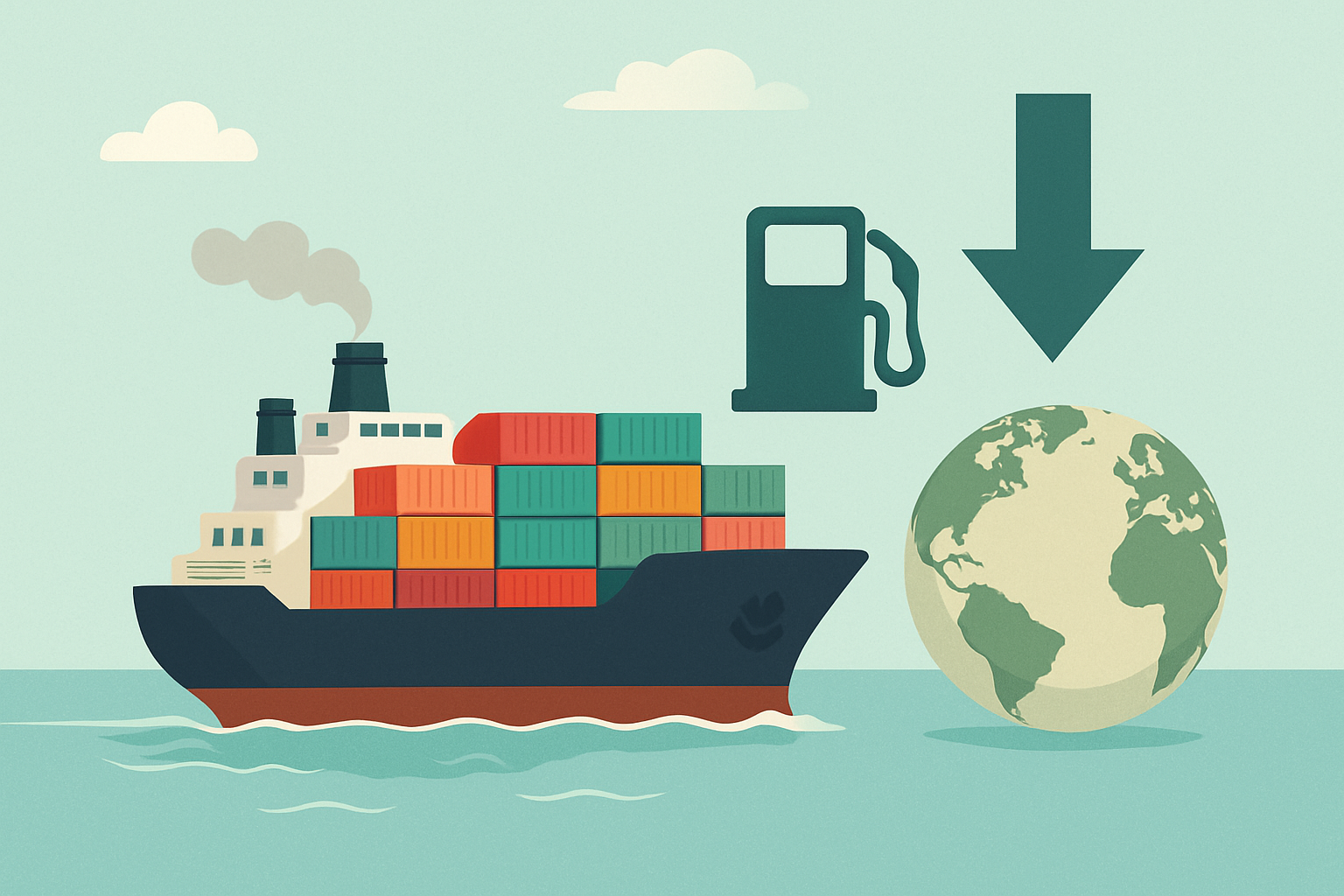
In an age dominated by speed and instant delivery, the idea of intentionally slowing down cargo ships may seem counterproductive. Yet, in the global shipping industry, this very strategy — known as slow steaming — is proving to be one of the most effective ways to reduce fuel consumption, cut emissions, and meet tightening environmental regulations.

What is Slow Steaming?

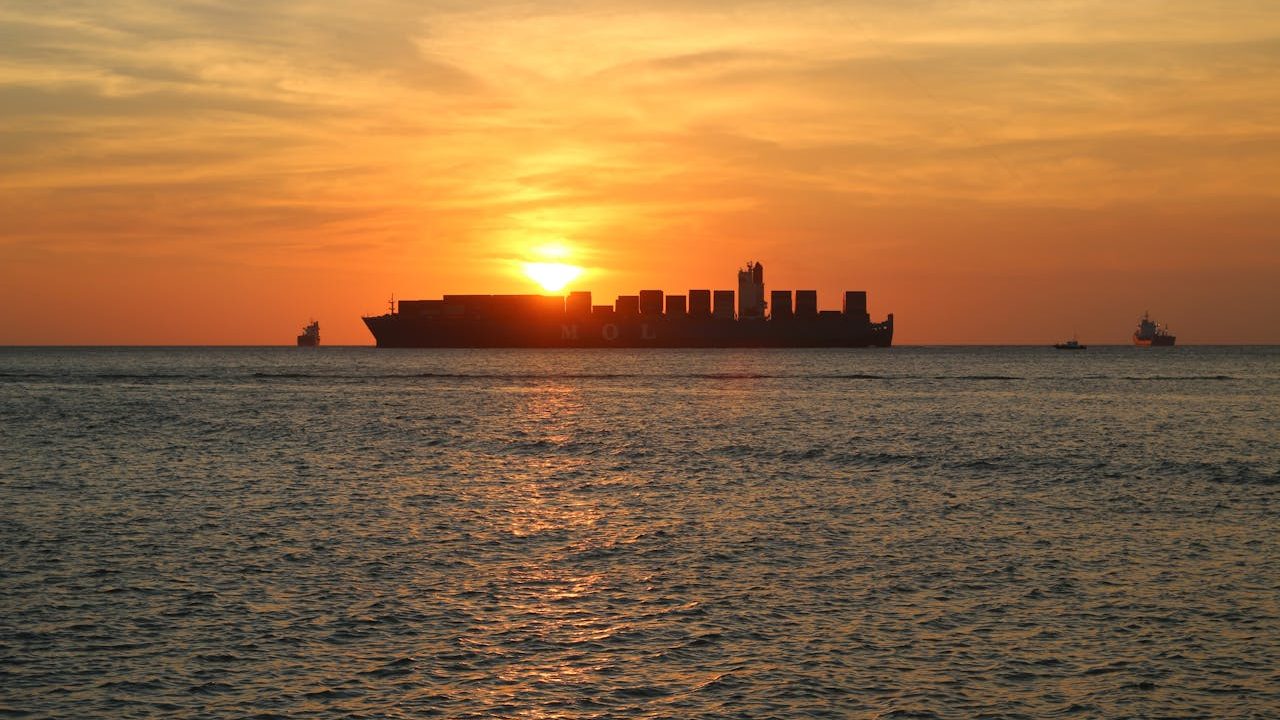
Slow steaming refers to the practice of operating cargo vessels at significantly reduced speeds, typically between 12 to 18 knots, compared to traditional cruising speeds of 20 to 25 knots. Introduced during the 2008 financial crisis to help shipping companies save on skyrocketing fuel costs, it has since evolved into a widely adopted method for reducing environmental impact.

The approach has gained renewed importance as the International Maritime Organisation (IMO) pushes for a 50% reduction in greenhouse gas emissions by 2050 — a goal that demands innovative and immediate solutions.
Benefits of Slow Steaming

1. Fuel and Cost Efficiency

The relationship between speed and fuel consumption is exponential. A modest reduction in speed — even by 10% — can result in 20–30% less fuel burnt. This translates into substantial savings, particularly with rising marine fuel prices and new low-sulphur fuel mandates.

2. Environmental Sustainability

Fewer emissions of CO₂, nitrogen oxides (NOx), and sulphur oxides (SOx) directly benefit both air quality and climate targets. Slow steaming is a critical tool in helping shipping lines comply with global decarbonisation standards, such as IMO 2020 and IMO 2030.

3. Extended Engine Life

Operating ships at reduced speeds puts less strain on the engine and auxiliary systems. This not only extends the vessel’s lifespan but also reduces maintenance costs and the frequency of repairs.

Challenges of Slow Steaming

Despite its advantages, slow steaming also presents challenges:

  • Longer Delivery Times: Transit times can increase by several days or even weeks, which affects supply chains — especially for perishable or time-sensitive goods.
  • Inventory Costs: Businesses may need to hold more inventory or adjust logistics schedules, which can increase warehousing and capital costs.
  • Customer Expectations: In sectors where speed is critical, such as fashion or electronics, convincing customers to accept longer shipping times can be difficult.

Shipping companies must carefully balance sustainability goals with client demands and operational feasibility.
Industry Adoption

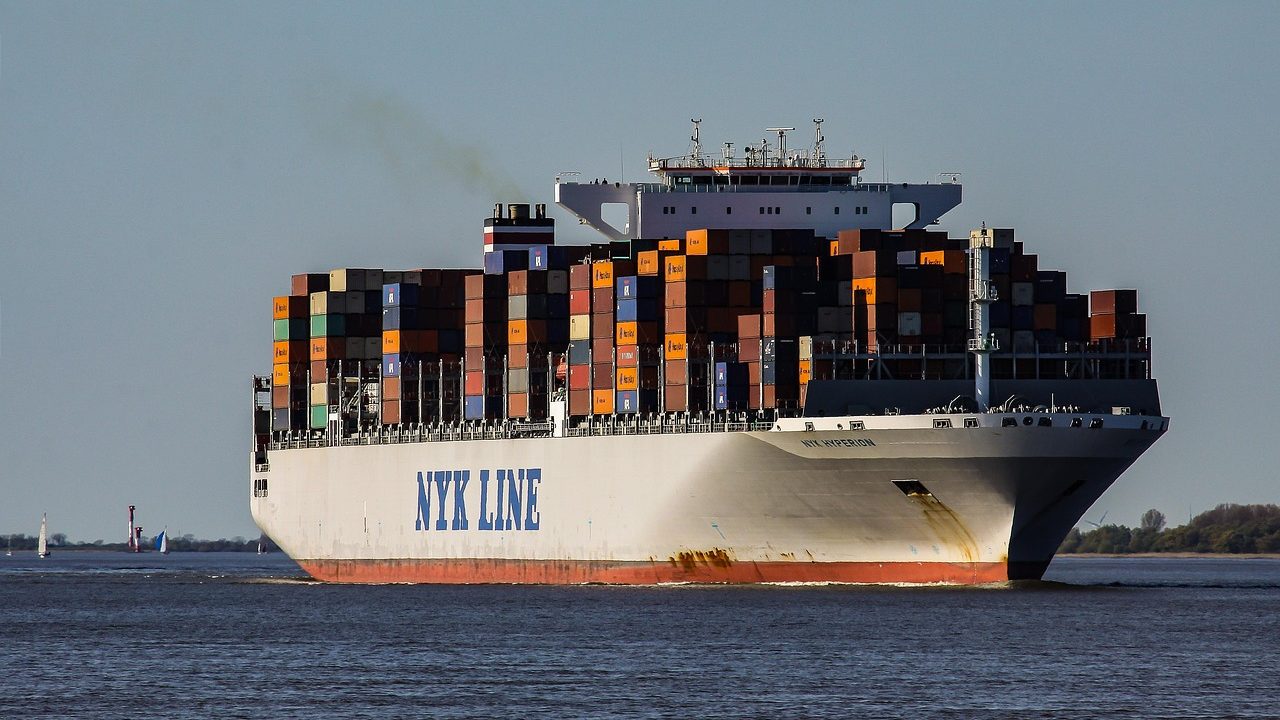
Major shipping companies like Maersk Line, Hapag-Lloyd, and CMA CGM have already embedded slow steaming into their route planning. Some carriers even use super slow steaming, dropping speeds below 12 knots, particularly on long-haul Asia-Europe routes to maximise savings and minimise emissions.

Conclusion

Slow steaming is more than just a cost-saving measure — it’s a strategic response to a global call for sustainable shipping. By reducing fuel use and cutting emissions without requiring massive infrastructure changes, slow steaming offers a practical and scalable way to decarbonise maritime transport.

In the race to a greener future, slowing down might just be the smartest way forward.

CMA CGM eco-friendly shipping Maersk Line Sustainable Maritime Transport
Share. Facebook Twitter Pinterest LinkedIn Tumblr WhatsApp Email
Previous ArticleImmersive Top Gun Experience to Launch in Las Vegas, Summer 2028
Next Article “Lahore Qalandars: Committed to Giving Players Opportunities, Title or Not”
admin
  • Website

Related Posts

India Maritime Investment Incentives Take Center Stage in London

July 13, 2025

Kerala Demands $1.1 Billion in Damages After MSC Elsa 3 Sinking

July 12, 2025

Houthis Strike Near Israeli Airport as Red Sea Ship Crew Remains Missing Tensions Explode in Region

July 10, 2025

Piracy Surge in Singapore Strait 2025: Global Sea Routes Under Threat Amid Sharp Rise in Attacks

July 10, 2025
Leave A Reply Cancel Reply

Our Picks
  • Facebook
  • Twitter
  • Pinterest
  • Instagram
  • YouTube
  • Vimeo
Don't Miss
Technology

Gen Z Would Marry AI – 80% Say “I Do” to Digital Love

By adminAugust 6, 20250

In a twist worthy of Black Mirror, a recent study reveals a surprising truth: Gen…

US and Pakistan Strike Trade Deal

July 31, 2025

Government Bans Road Travel for Arbaeen Pilgrims

July 28, 2025

Chinese EV Giant BYD to Assemble Cars in Pakistan by 2026

July 27, 2025

Subscribe to Updates

Get the latest creative news from SmartMag about art & design.

About Us
About Us

Your trusted source for insightful blogs on finance, politics, sports, and society in Pakistan — delivering authentic, informative, and engaging content to empower readers with knowledge and awareness.

Email Us: info@closeup.pk

Gen Z Would Marry AI – 80% Say “I Do” to Digital Love

August 6, 2025

US and Pakistan Strike Trade Deal

July 31, 2025

Government Bans Road Travel for Arbaeen Pilgrims

July 28, 2025

Chinese EV Giant BYD to Assemble Cars in Pakistan by 2026

July 27, 2025

Subscribe to Updates

Get the latest creative news from FooBar about art, design and business.

Type above and press Enter to search. Press Esc to cancel.