


A significant piracy surge in Singapore Strait 2025 has alarmed global maritime authorities as incidents of armed robbery and piracy against ships spiked dramatically in the first half of the year. According to the latest mid-year report from the International Maritime Bureau (IMB), pirate activity jumped by 50% compared to the same period in 2024, raising urgent safety concerns for seafarers and shipping companies navigating critical trade lanes.
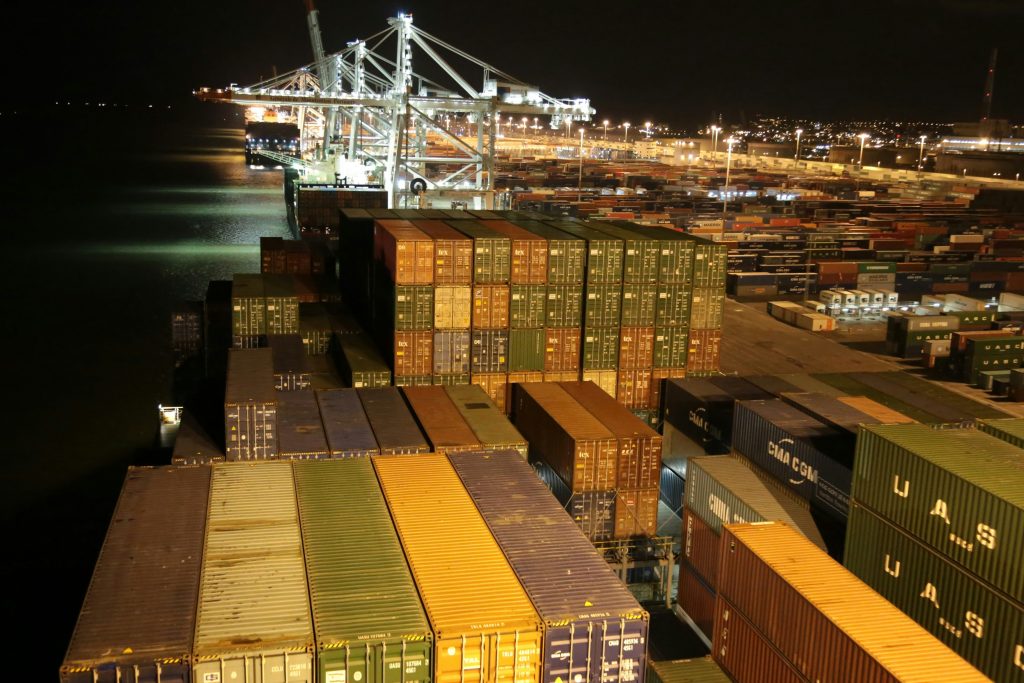
IMB Reports a Startling Rise in Piracy Activity
The IMB Piracy Reporting Center recorded 90 piracy and armed robbery incidents in the first six months of 2025, up from just 60 during the same time last year. This marks the highest mid-year incident total since 2020 and reflects a concerning upward trend in maritime security threats.
Even more troubling, IMB revealed that 90% of these attacks resulted in successful boardings, with criminals often using weapons such as guns and knives to threaten crews. These statistics have pushed global shipping stakeholders to revisit security protocols in high-risk zones.
Singapore Strait Emerges as Global Hotspot
The Singapore Strait, a vital corridor that handles nearly a third of the world’s maritime trade, has become the epicenter of the recent piracy surge. IMB logged 57 incidents in this region alone, compared to just 15 during the first half of 2024. The consistency of previous years where incidents remained under 20 makes this year’s escalation particularly alarming.
Pirates targeted large vessels exceeding 150,000 deadweight tons (dwt), navigating a narrow and heavily trafficked waterway. With a reported 95% success rate in boardings, criminal groups appear to operate with greater precision and confidence.
Weaponized Boardings Raise Crew Safety Concerns
In 34 of the 57 reported incidents in the Singapore Strait, attackers carried dangerous weapons. The use of firearms and knives has escalated the psychological and physical risks to onboard crew. IMB detailed that 13 crew members were taken hostage, five were threatened, three injured, and one assaulted during these incidents.
The frequency and boldness of these attacks indicate that pirate groups remain undeterred by current security efforts in the region, especially when it comes to nighttime or low-visibility operations.
Asia’s Regional Watchdog Confirms the Spike
The Regional Cooperation Agreement on Combating Piracy and Armed Robbery against Ships in Asia (ReCAAP) has mirrored the IMB’s findings. By mid-2025, ReCAAP had documented 107 maritime robbery incidents across Asia, with the Singapore Strait responsible for a majority of them.
During just one week from June 30 to July 7 ReCAAP recorded 11 incidents in the Strait’s eastbound lane. The coordinated nature of these attacks reflects a rising operational sophistication among pirate networks.
Patterns Show Targeted and Tactical Robberies
According to ReCAAP, piracy incidents tend to follow predictable patterns. On July 1 and July 4, three separate attacks occurred on each day. In four cases, pirates stole engine spare parts, and in one chilling event, a CMA CGM container ship remained unaware of unauthorized boarding for 10 full minutes a sign of how silently and quickly these groups operate.
While no crew members suffered injuries during those specific cases, the breach of ship security underscores the growing threat to vessel safety and maritime logistics.
Hostage-Taking and Kidnapping on the Rise
Globally, the IMB documented alarming statistics involving crew members. So far in 2025:
- 40 crew members were held hostage
- 16 were kidnapped
- Five were threatened
- Three were assaulted
- Three were injured
While the Gulf of Guinea accounted for only 12 incidents, the region remains highly dangerous for crews, contributing to 87% of global crew kidnappings.
Gulf of Guinea Sees Fewer Incidents But Higher Risk
Although fewer overall piracy events occurred in the Gulf of Guinea, the risk per incident remains significantly higher than other regions. Pirates in this area often aim for hostage-taking and ransom, making these encounters potentially more lethal than low-level robberies elsewhere.
The IMB emphasized that while the quantity of attacks in West Africa remains stable, the quality and consequences of those attacks are severe, especially for crew members on oil tankers and cargo ships.
Other Maritime Routes Remain Calm For Now
Outside of Asia and West Africa, most global shipping routes stayed relatively quiet in the first half of 2025. Notably, the waters off Somalia have seen no recorded piracy attacks since April 2025.
However, IMB cautions that with the monsoon season nearing its end, pirate activity off Somalia could quickly resume. Seafarers navigating through the Arabian Sea and surrounding regions must remain on high alert as weather conditions improve.
IMB Issues Global Security Advisory
In light of the piracy surge in Singapore Strait 2025, IMB is urging all commercial vessels to enhance vigilance and security practices. They stress the importance of crew training, proper lighting, and the use of onboard surveillance to reduce vulnerability.
Shipowners and maritime agencies must continue collaborating with local coast guards, naval forces, and maritime safety authorities to strengthen patrols and improve intelligence sharing in vulnerable regions.
Economic Impacts and Trade Route Security
The Singapore Strait plays a critical role in international commerce, linking the Indian Ocean with the Pacific and acting as a chokepoint for oil, gas, and container shipments. The rise in pirate activity threatens the stability of supply chains, delays deliveries, and increases insurance costs for shippers.
Security concerns may prompt shipping companies to consider alternative routes or schedule changes, potentially leading to costlier and longer voyages.
Call for Enhanced Maritime Law Enforcement
With piracy operations growing bolder and more frequent, experts are calling for stronger enforcement mechanisms and increased investment in maritime surveillance technology. Governments in the region, including Singapore, Indonesia, and Malaysia, must boost joint patrols and crack down on known criminal networks.
The IMB and ReCAAP also advocate for greater legal cooperation, ensuring that captured pirates face swift and fair prosecution across international jurisdictions.
Final Thoughts
The piracy surge in Singapore Strait 2025 paints a troubling picture of deteriorating maritime safety in one of the world’s busiest shipping corridors. As pirates grow more daring and better equipped, the burden falls on governments, shipping companies, and international bodies to respond quickly and effectively.
Seafarers continue to risk their lives navigating through these dangerous waters. Without immediate intervention and sustained collaboration, the crisis could escalate further endangering lives, disrupting trade, and destabilizing global supply chains.
