


China’s plans to reduce crude steel output in 2025 face serious skepticism. Although officials announced intentions in March to restructure the sector and curb overcapacity, many in the industry believe these plans will not materialize. Conversations at the Singapore International Ferrous Week revealed a consensus among traders, steelmakers, and analysts: China is unlikely to enforce output cuts.
The steel sector’s profits reached 16.9 billion yuan ($2.35 billion) between January and April, marking a strong rebound from last year’s 22.2 billion yuan loss. As mills regain profitability, stakeholders see little motivation to cut production. Rising domestic demand continues to fuel output, making it harder for authorities to justify reductions.
Local governments, which rely heavily on steel production for GDP growth, also lack incentive to impose cuts. A steelmaker executive noted that after surviving two tough years, companies now prioritize profit over compliance with vague output guidelines.
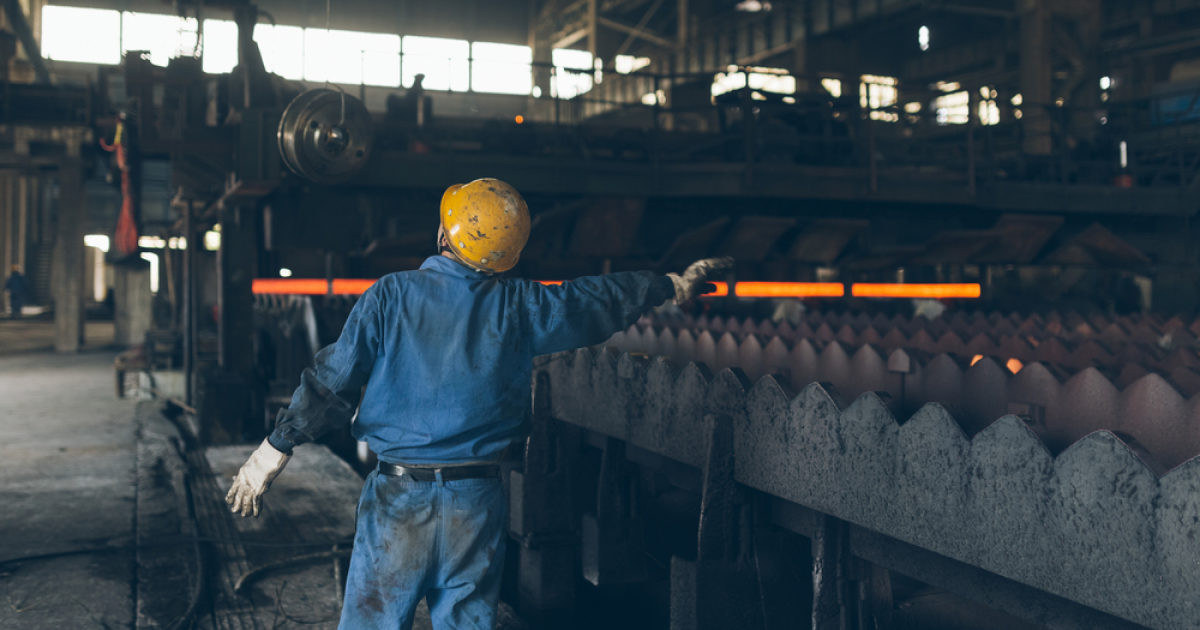
China’s crude steel production already grew by 0.4% in the first four months of the year. Since March, Beijing has issued no concrete directives or enforcement measures, further signaling a weak commitment to actual reductions.
Provincial governments may have set targets, but implementation remains questionable. Analysts, including Mengtian Jiang from Harizon Insights, pointed out that falling coking coal prices have made production cheaper, increasing mill profits and lowering the chance of output control. With no concrete enforcement measures in place and mills focused on profit margins, compliance remains uncertain. Jiang predicts steel exports might fall 3–4% this year but says domestic output will likely remain stable due to strong demand and favorable production conditions.
Learn more about China
