


The global trend toward a cashless economy is clear and accelerating. Countries worldwide are embracing digital payments as the primary mode of transaction, and for good reasons. Cashless economies bring multiple benefits including increased convenience for consumers and businesses, improved transparency in financial dealings, better security against fraud and theft, enhanced economic record-keeping, broader financial inclusion, and reduced tax evasion. Pakistan is no exception, and recent policy signals from the government show a strong commitment to advancing digital payment systems and reducing reliance on cash.
The Drive Toward a Cashless Pakistan
The world has sped up its shift toward a cash-free, contactless economy, especially since the Covid-19 pandemic highlighted the risks of physical money exchange. Against this backdrop, Pakistan’s Finance Minister has emphasized the urgency of transitioning to a cashless economy, not just as an ideal but as a necessary step for the country’s long-term fiscal health, competitiveness, and inclusive growth.
According to a recent media report, the minister stated, “Moving towards a cashless economy is not simply a policy aspiration but a practical necessity for long-term fiscal resilience, competitiveness and inclusive growth.” This makes it clear that Pakistan’s leadership views digitization of payments as a critical economic strategy.
Upcoming Measures to Promote Digital Payments
In the upcoming budget, the government plans to introduce measures aimed at enforcing digital payments. These policies will encourage a wider adoption of cashless transactions and increase transparency by documenting more financial activities. The goal is to shift the tax burden away from salaried individuals and businesses that comply with tax regulations, and onto sectors that remain untaxed or under-taxed.
Officials plan to incentivize digital transactions while discouraging cash payments through tax penalties. Moreover, cash payments will be restricted in certain important sectors that are yet to be disclosed. Multiple steps are in the works to hasten the transition toward a digital and less cash-reliant economy.
Robust Infrastructure Supports Cashless Transition
Pakistan already has a strong digital payment infrastructure in place, including the Raast system—a real-time payment platform linking individuals, businesses, and government entities. The government believes that the availability and accessibility of digital payment tools across retail, service, and public sectors will ease the country’s migration from cash to cashless transactions.
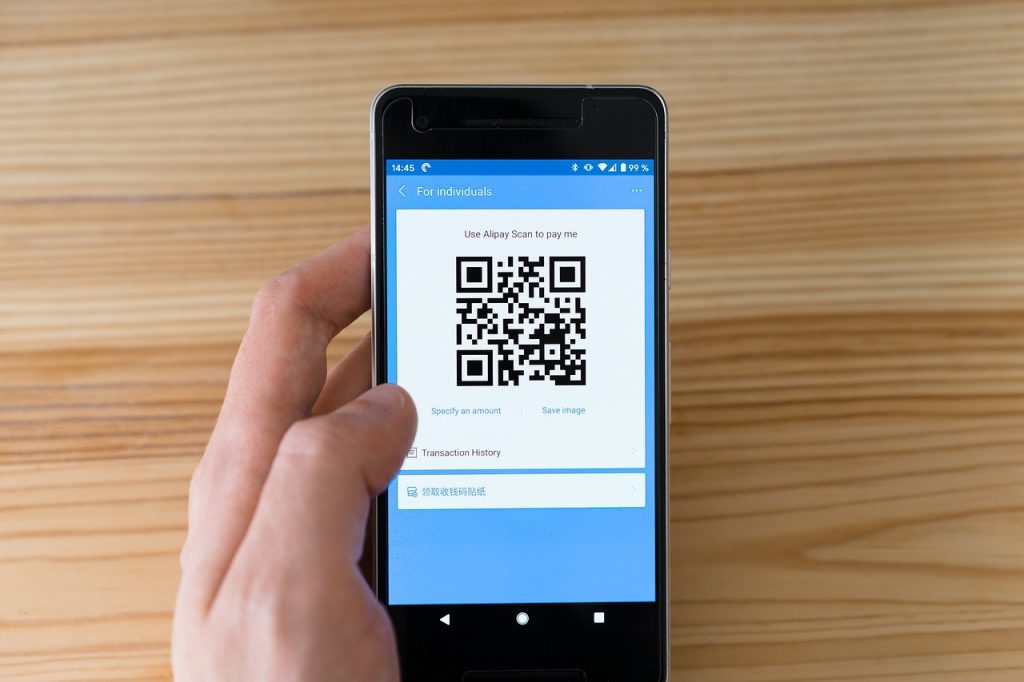
Recent years have witnessed a significant rise in electronic payments, with more people embracing digital modes for everyday purchases and business transactions. Even small vendors in urban areas have adopted alternative payment methods such as instant payments, digital wallets, and QR code payments. This growing acceptance suggests that Pakistan is on the path toward becoming a cashless society.
Challenges Hindering Full Digital Adoption
Despite the promising growth in digital transactions, Pakistan is far from being a fully cashless society. Several barriers impede widespread adoption.
Cultural habits play a major role. Many people still prefer cash due to tradition and distrust of digital systems. There is also fear among some citizens that digital payments allow the government to monitor their financial data, which slows adoption.
Infrastructure challenges remain significant. Poor broadband and mobile connectivity in rural and remote areas limits access to digital payment platforms. This digital divide means many Pakistanis cannot easily use electronic payment systems.
Security concerns are another hurdle. Cybersecurity threats worry users, and these concerns are not unfounded given the global rise in digital fraud and hacking.
Most importantly, a large portion of the population—especially women and rural residents—remains unbanked, lacking access to the banking and financial services necessary for digital payments. This gap prevents millions from participating fully in a cashless economy.
Building an Inclusive Digital Ecosystem
To realize the vision of a cashless Pakistan, the government must address these challenges systematically. Creating a supportive ecosystem for digital transactions involves:
- Improving broadband and mobile connectivity nationwide, especially in rural and underserved areas.
- Expanding financial inclusion by ensuring access to banking and digital payment tools for women, rural communities, and marginalized groups.
- Launching public awareness campaigns to educate citizens on the benefits and security of digital payments.
- Strengthening cybersecurity frameworks to protect users and build trust in digital platforms.
- Encouraging private sector innovation to offer convenient and affordable payment options.
The government’s role in fostering partnerships with telecom companies, banks, fintech startups, and community organizations will be crucial to building this ecosystem.

Benefits of a Cashless Economy for Pakistan
Transitioning to a cashless economy promises numerous economic advantages:
- Convenience: Digital payments simplify transactions for consumers and businesses, enabling faster, contactless, and 24/7 access to financial services.
- Transparency: Electronic transactions leave digital records, reducing corruption and under-the-table dealings.
- Security: Digital payments reduce risks associated with cash theft, loss, or counterfeit money.
- Economic Documentation: Improved record-keeping aids in accurate economic analysis and planning.
- Financial Inclusion: More people gain access to banking and financial products, lifting economic participation.
- Tax Compliance: With documented transactions, tax authorities can better enforce compliance, increasing government revenues without burdening compliant citizens.
- Economic Growth: A digital economy enhances competitiveness, attracts investment, and supports innovation.
The Way Forward
Pakistan’s journey to a cashless economy is underway but requires persistent effort. The government’s upcoming budget proposals signal a clear commitment to accelerating digital payment adoption and tackling tax evasion by targeting cash transactions. While digital infrastructure is in place, closing the connectivity gap, boosting financial inclusion, and addressing cultural and security concerns remain vital priorities.
A successful transition will require cooperation between government bodies, financial institutions, technology providers, and the public. With focused efforts, Pakistan can leverage the advantages of a cashless economy to build a more transparent, inclusive, and prosperous future.
