

June 5 marked the 50th anniversary of the Suez Canal reopening after an eight-year closure caused by the Arab-Israeli War of 1967. Since then, the canal has remained a critical global shipping route. Today, Egypt focuses heavily on Suez Canal traffic recovery after recent disruptions from Houthi attacks in 2023 and 2024 led to a significant decline in vessel traffic. The nation is actively working to restore the canal’s vital role in international trade.
Rebuilding Business Through impulses
In May, the Suez Canal Authority( SCA) introduced new strategies to attract shipping companies back to the conduit. These sweats include a 90- day creation offering a 15 reduction on freights for large vessel vessels. The end is to encourage east- west business between Asia and Europe, which has been heavily diverted due to safety enterprises.
As part of this action, the SCA hosted a meeting with representatives from major carriers. Reports indicate that shipping companies expressed a amenability to consider reinstating their routes through the conduit, a sign of conservative sanguinity for the future.
Signs of Recovery Amid Security sweats
hinder Crewmate Vasileios Gyparis, commander of the European Union’s EUNAVFOR Aspides charge, reported a 60 increase in business since August 2024, when vessel figures hit a low point. According to him, diurnal boat transportations have risen to roughly 36 to 37, over from about 20 during the height of the extremity. still, this remains significantly lower than thepre-2023 normal of 72 to 75 vessels per day.
Despite the enhancement, the conduit’s business is still below its August 2022 peak of 89 vessels in a single day, when diurnal pars generally exceeded 60. The SCA has not bared its current diurnal pars, leaving query about the full extent of recovery.
Security enterprises Persist
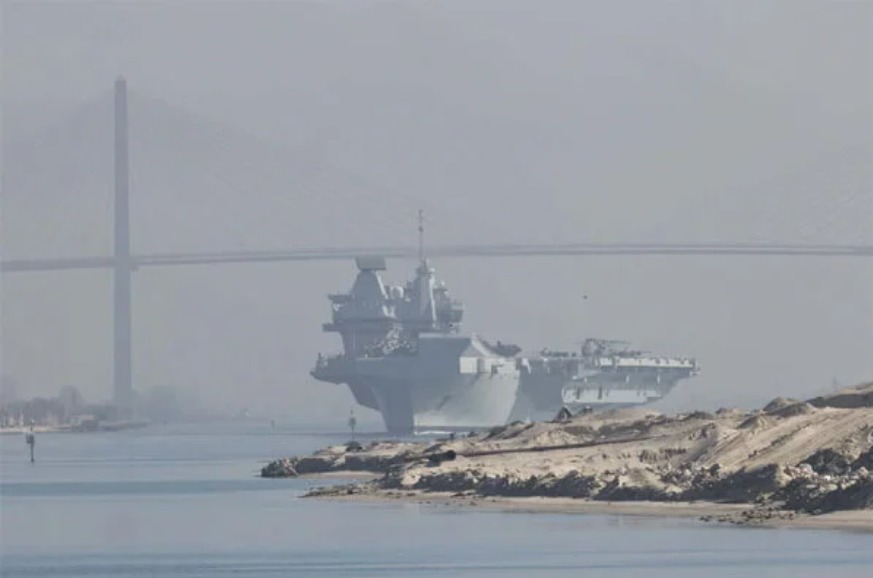
Although Houthi forces have n’t attacked trafficker vessels in 2025, they maintain pitfalls against vessels linked to Israel. Attacks desisted temporarily following a Gaza ceasefire in January, but proceeded in March when the U.S. conducted retaliatory strikes. A posterior ceasefire blazoned in May has held so far, with no reported attacks indeed as high- profile vessels, similar as the UK’s HMS Prince of Wales carrier group, passed through the region.
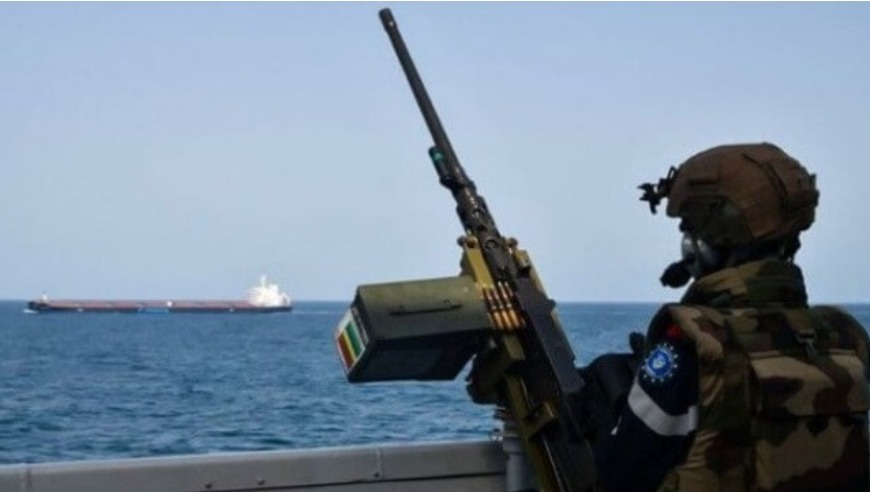
The Aspides charge has been vital in icing maritime security. Since its launch in February 2024, it has attended 476 vessels, interdicted four ballistic dumdums, destroyed two remote- controlled boats, and shot down 18 drones. Bymid-May, the operation had supported over 830 trafficker vessels. The EU has extended Aspides’ charge until at least February 28, 2026, signaling ongoing commitment to securing Red Sea and Suez Canal routes.
Shipping Companies Remain reluctant
Despite enhanced security measures, major shipping companies remain conservative about returning to the Suez Canal. CMA CGM lately told The New York Times it has proceeded Red Sea transits for a limited number of vessels but does n’t plan to restore full- scale operations until security conditions significantly ameliorate. Data from tracking spots confirm that at least five CMA CGM vessels have traveled through the Red Sea in recent weeks.
also, AP Moller- Maersk’s CEO, Vincent Clerc, expressed reservations, stating that the region’s security is still far from meeting the threshold needed for a full return to normal operations. These hesitance emphasize the moping query girding the conduit’s future as a dependable shipping route.
Aspides Mission Ensures Safe Passage
The Aspides operation continues to play a critical part in maintaining safety for vessels navigating the region. Recent highlights include
A French frigate convoying a tanker and a CMA CGM containership.
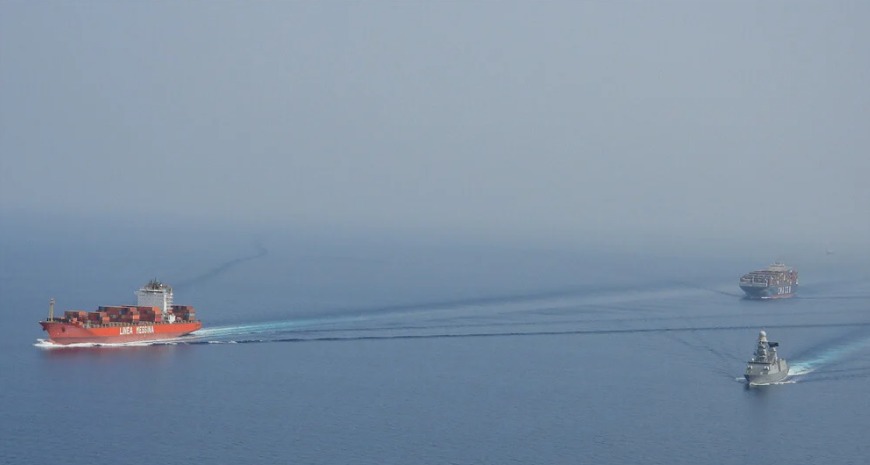
The Italian destroyer ITS Andrea Doria accompanying several CMA CGM vessels and a Linea Messina containership.
These sweats emphasize the EU’s commitment to icing maritime security in the face of ongoing pitfalls. still, the absence of wide shipping company confidence indicates that further work is demanded to restore trust completely.
Looking Ahead
As Egypt marks this significant anniversary of the Suez Canal’s reopening, the challenges of the present period remain stark. The SCA’s reduction impulses and transnational security sweats are way in the right direction, but the road to recovery is far from over. The conduit’s success hinges on restoring confidence among global shipping companies and demonstrating that the route is n’t only vital but also safe.
For now, the world watches as Egypt and its mates work lifelessly to restore the Suez Canal to its former glory, icing its continued part as a foundation of transnational trade.
