

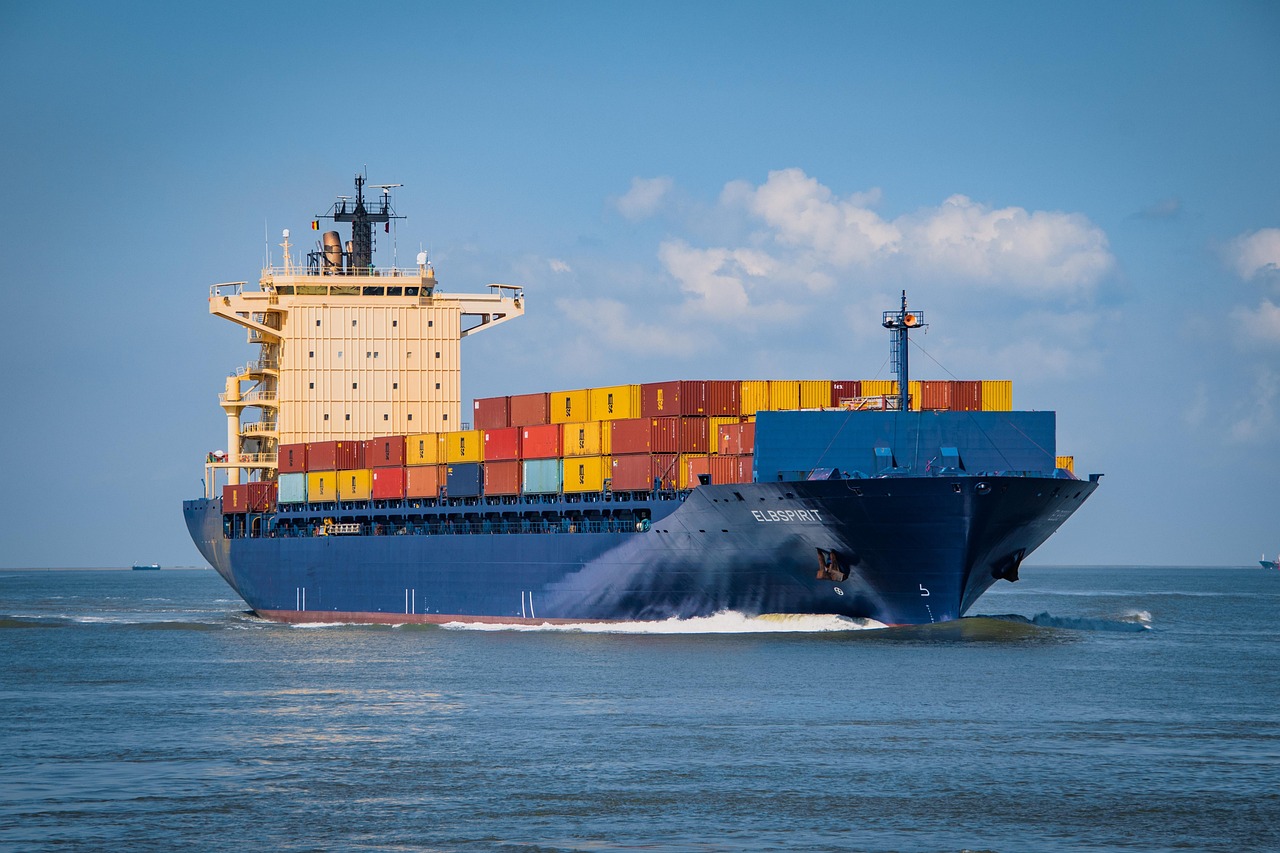
A new report on bulk carrier safety trends highlights significant progress in reducing casualties and fatalities in the maritime industry. Over the past decade, advancements in crew training, ship design, and regulatory compliance have contributed to a safer environment for the global fleet of over 12,500 bulk carriers. However, the report from INTERCARGO also underscores persistent risks, including cargo liquefaction, grounding, and improperly declared cargoes.
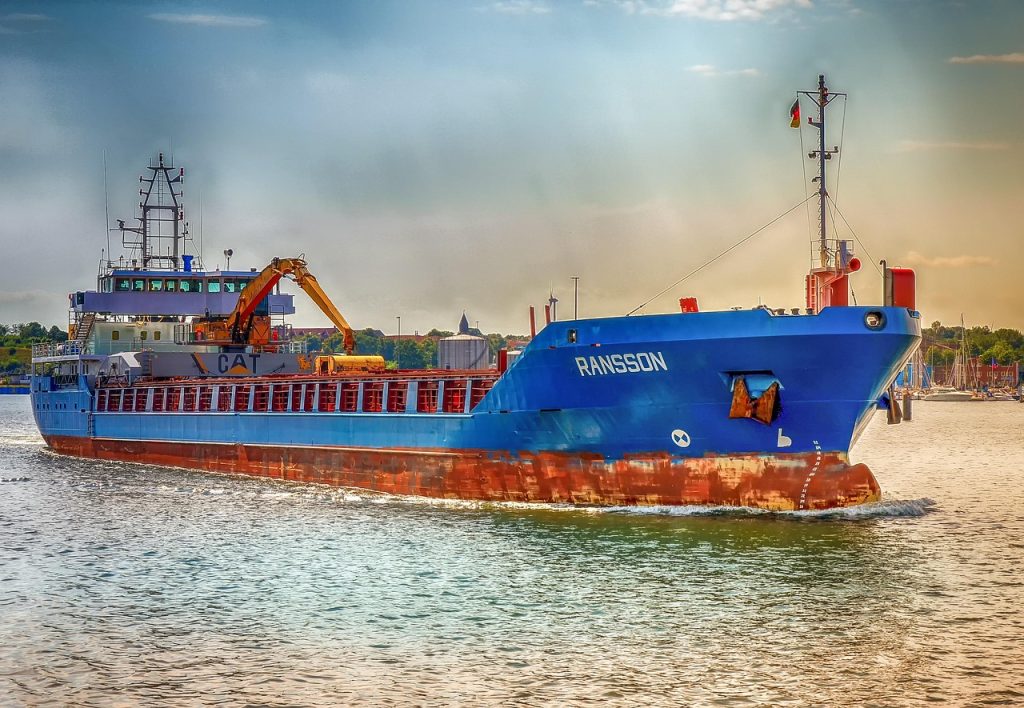
Encouraging Trends in Bulk Carrier Safety
Over the last ten years, the bulk carrier sector reported 20 major casualties on vessels of 10,000 deadweight tonnage (dwt) or greater. These incidents led to 89 fatalities—averaging nine deaths annually. However, this represents a significant improvement compared to earlier decades. INTERCARGO notes a steady decline in losses since the 1980s and 1990s, when annual fatalities ranged from 23 to 186 and vessel losses ranged between five and 26 per year.
Key factors contributing to these advancements include:
- Enhanced Crew Training: Improved training programs have equipped seafarers with the knowledge and skills to manage modern-day challenges effectively.
- Improved Ship Designs: Advances in naval architecture have bolstered vessel resilience against operational hazards.
- Technological Integration: New technologies have significantly enhanced monitoring, navigation, and communication capabilities, reducing the risk of accidents.
- Stricter Regulatory Compliance: Adherence to international maritime safety standards has streamlined operational protocols and incident response measures.
Patient Challenges in the Assiduity
1.Cargo Liquefaction
Cargo liquefaction remains the most significant threat to human lives in the bulk carrier sector. This occurs when certain cargoes, such as nickel ore or iron ore fines, become saturated with water during transit, turning them into a fluid-like state. This phenomenon can lead to a severe loss of stability and, in extreme cases, capsizing. Over the last decade, cargo liquefaction has accounted for 62% of seafarer fatalities.
2.Cargo Shifting
Improper loading or inadequate securing of cargo has also led to incidents of cargo shifting. These occurrences caused two vessel sinkings and 12 fatalities in the past ten years.
3.Grounding
Grounding poses the most significant hazard to vessels, accounting for 45% of vessel losses in the past decade. This issue arises when ships run aground due to navigational errors, poor weather conditions, or other operational failures.
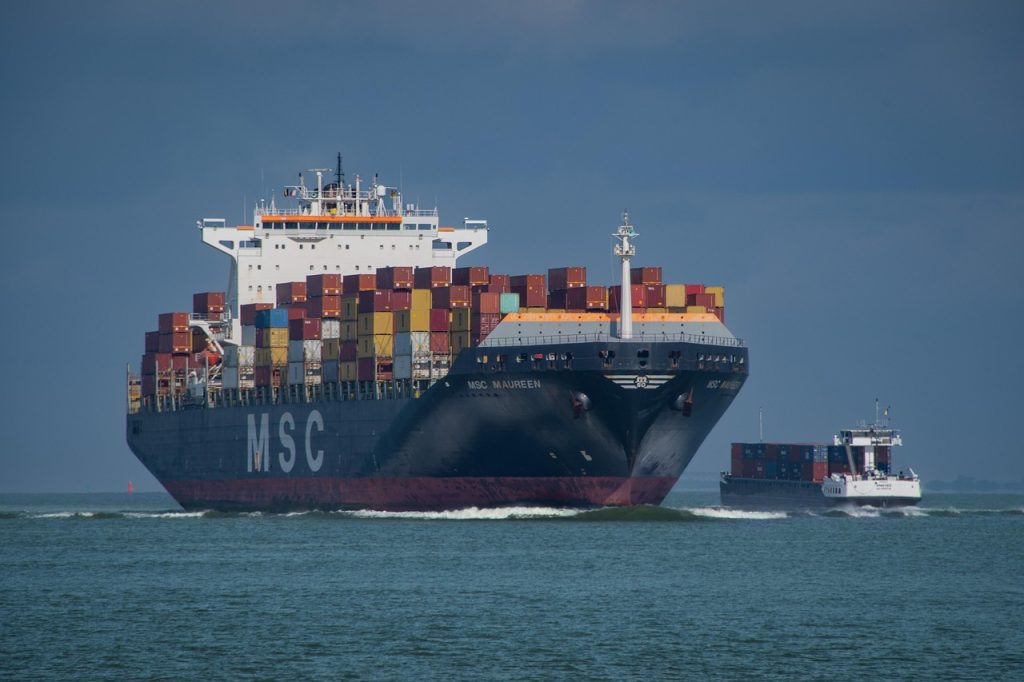
Assiduity-Wide Call to Action
The report concludes with a resounding call for a collaborative trouble from the global maritime community. duly addressing the pitfalls associated with inaptly declared loadings, nautical failures, and external pitfalls will bear sustained investment in education, technology, and structure. By fastening on invention, collaboration, and adherence to high safety norms, the bulk carrier assiduity can continue its line of enhancement. With unified action, the vision of zero losses and vessel losses can come a reality.
