

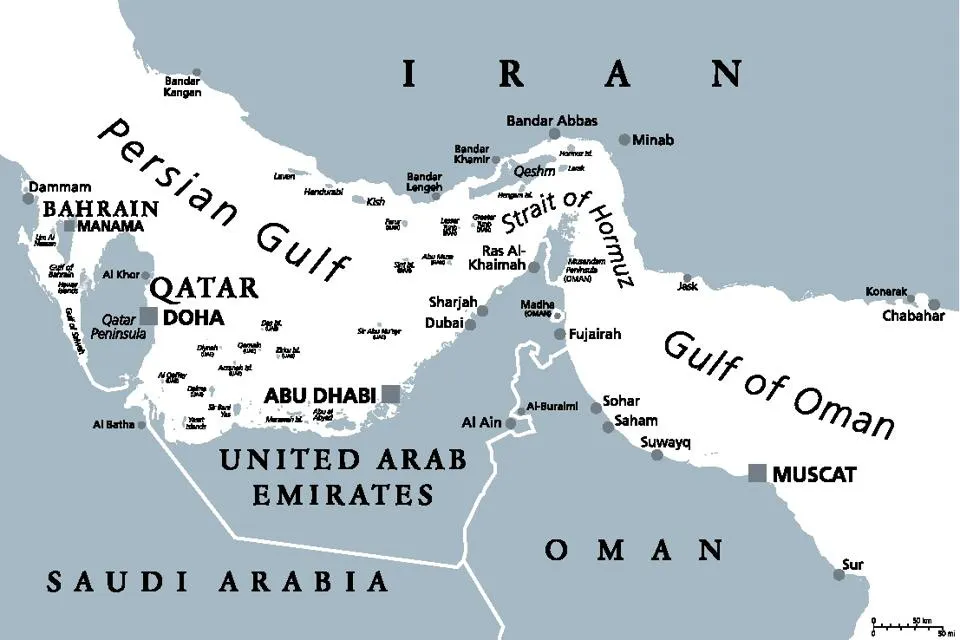
Iran Strait of Hormuz closure in a move that has sent shockwaves through international markets, Iran’s parliament has voted to shut down the Strait of Hormuz — a vital maritime passage through which nearly 20% of the world’s daily oil supply flows. The decision, once ratified by Iran’s Supreme Council, could come into effect within hours, according to state-run Press TV.
A Strategic Oil Lifeline Under Threat
The Strait of Hormuz, connecting the Gulf of Oman to the Persian Gulf, is only 20 miles wide at its narrowest point. Yet, it serves as the main artery for crude oil shipments from top producers like Saudi Arabia, UAE, Kuwait, Iraq, and Qatar. Over $1 billion worth of oil passes through the strait daily, making any disruption a potential global crisis.
The danger is compounded by the strait’s narrow shipping lanes, which are less than two miles wide in each direction. These corridors are vulnerable to shore-based missile attacks, underwater mines, and interception by Iranian patrol boats or drones.
Military Tensions at Boiling Point
The vote comes in response to recent U.S. strikes on Iran’s nuclear facilities, which Tehran has labeled an act of aggression. IRGC Commander Email Kosari declared Iran would respond “whenever necessary,” hinting at further escalations.
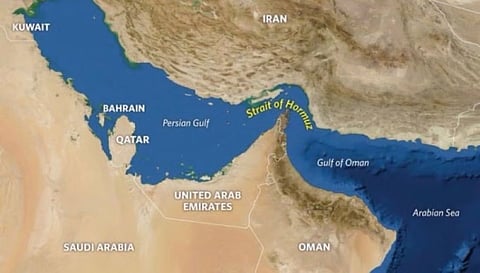
The U.S. Navy’s Fifth Fleet, along with Western allies, remains on high alert in the Persian Gulf. Though Iran does not hold legal authority to block international maritime traffic, any aggressive action could force a military response, raising fears of a larger regional conflict.
Global Markets on Edge
The potential closure could cause oil prices to skyrocket. It would severely affect countries like China, India, Japan, and South Korea, which rely heavily on Gulf oil. These nations receive a major share of their energy imports through the Strait of Hormuz.
Moreover, Iran’s own economy could take a hit, despite its political stance. Blocking the strait would disrupt not only global supply but also Iran’s own exports.
Notably, this isn’t the first time Iran has threatened maritime traffic. In 2023, Iranian forces seized a U.S.-bound oil tanker. Similarly, in 2022, they detained Greek vessels for months. These incidents reflect Iran’s capability—and willingness—to target international shipping routes.
As a result, global tension continues to escalate. The world now waits anxiously for the final decision from Iran’s Supreme Council. With every passing hour, the threat to global oil supply grows more urgent.
