

A devastating attack on the Greek Orthodox Mar Elias Church in Damascus, Syria, claimed at least 20 lives and injured 52 others on Sunday, according to Syria’s health ministry. The assault, described as a “terrorist attack,” occurred during a mass, leaving the congregation and surrounding community in shock.
ISIS Suspected in Church Bombing
Syria’s Ministry of Interior Affairs identified the attacker as a suicide bomber linked to ISIS. The individual opened fire on worshippers before detonating an explosive vest, causing significant loss of life and widespread destruction. The attack targeted the heart of the church during a religious ceremony, exacerbating its impact.
Scenes of Devastation Inside the Church
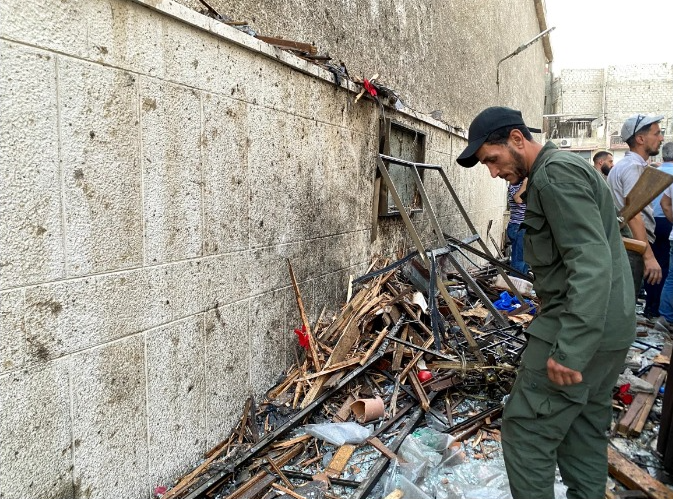
Footage from the scene reveals the aftermath of the attack: shattered glass, broken chairs, and bloodstains covering the floor. The video, circulated widely on Syrian social media, underscores the brutality of the assault and the profound grief it has caused.
Emergency Response Efforts
The White Helmets, Syria’s civil defense organization, swiftly responded to the tragedy. They worked tirelessly to transfer the deceased to hospitals and secure the area, ensuring the safety of survivors and preventing further harm.
Church’s Statement: Strength in Faith
The Greek Orthodox Patriarchate of Antioch issued a heartfelt statement condemning the attack. “The treacherous hand of evil struck,” the statement read, emphasizing the resolve of the church to stand firm in faith despite this tragedy. The Patriarchate offered prayers for the victims and their families, reaffirming their rejection of fear and intimidation.
International Condemnation
The attack has drawn widespread condemnation from global leaders and organizations. The United Nations Special Envoy for Syria, Geir O. Pedersen, expressed outrage at the “heinous crime,” urging unity against terrorism and extremism. He extended condolences to the victims’ families and wished a swift recovery for the injured.
U.S. and Global Reactions
Thomas Barrack, the United States Special Envoy for Syria, denounced the act as “cowardice,” highlighting its incongruity with Syria’s aspirations for inclusion and tolerance. Foreign ministries from countries including Turkey, Jordan, Iraq, Israel, Greece, and several European nations, joined in condemning the attack and expressed solidarity with the victims.
Broader Implications for Syria
This attack underscores the ongoing challenges Syria faces in combating terrorism and fostering peace among its diverse communities. The international community’s unified response signals a collective rejection of violence and a call for a future built on tolerance and coexistence.
