

Pakistan’s Unique Stance on Foreign Military Presence
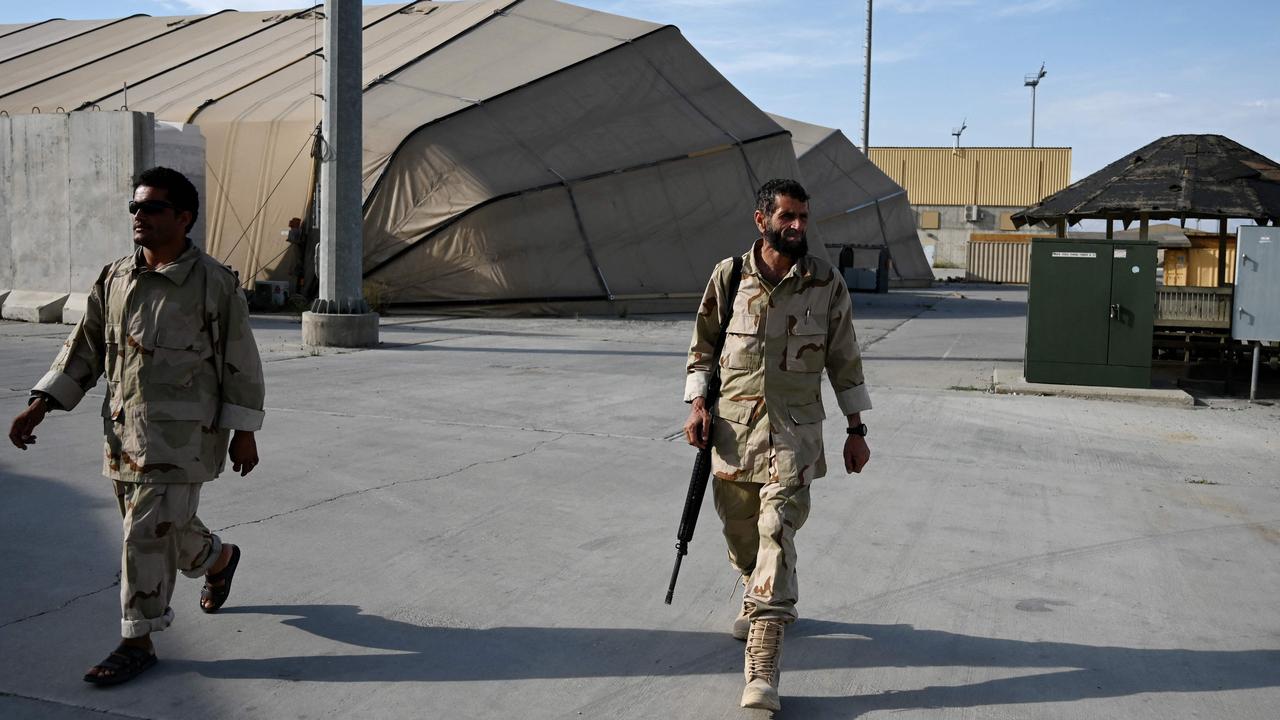
Pakistan no U.S. military airbases. Pakistan remains one of the few Muslim-majority nations that do not host permanent United States military airbases. Unlike several Middle Eastern and Central Asian countries that allowed American forces to operate long-term from their territory, Pakistan upheld its sovereignty and avoided such foreign military infrastructure on its soil.
Post-9/11: Cooperation Without Compromise
After the September 11 attacks, many Muslim nations became central to the U.S. War on Terror. Countries such as Qatar, Saudi Arabia, Kuwait, and the United Arab Emirates permitted U.S. military bases and full-time military cooperation. In contrast, Pakistan took a different path. It allowed limited and temporary access to certain airfields for logistical and surveillance purposes but refused to establish a permanent U.S. military base.
For example, the Shamsi Airbase in Balochistan was reportedly used for CIA drone operations. However, Pakistan retained control over it. Following public outrage—especially after the 2011 U.S. operation in Abbottabad—Pakistan shut down Shamsi and ended any such future agreements.
Sovereignty and Public Sentiment Drive Policy
Several factors contribute to Pakistan’s decision. The nation’s civil and military leadership consistently emphasize sovereignty and non-interference. A permanent foreign base is widely perceived as a direct violation of national integrity.

Additionally, the Pakistani population strongly opposes foreign military presence. U.S. drone strikes in the tribal regions resulted in civilian casualties, further inflaming public opinion and increasing pressure on the government to protect territorial autonomy.
Strategic Balance in Global Power Politics
Pakistan’s strategic location places it at the heart of regional rivalries involving the U.S., China, India, and Russia. By not allowing permanent U.S. bases, Pakistan maintains its diplomatic balance, especially with China, its long-standing ally. China views permanent American military installations near its borders with suspicion, and Pakistan’s neutral stance helps preserve bilateral trust.
Conclusion: A Sovereign Approach in a Militarized Region
Pakistan’s refusal to host permanent U.S. military airbases highlights its commitment to independence, national dignity, and geopolitical balance. While cooperating with the U.S. on security matters when necessary, Pakistan has drawn a strict boundary to prevent any long-term foreign military entrenchment. This approach sets Pakistan apart in the Muslim world, reflecting a firm stance on sovereignty and strategic autonomy.
Learn more about Pakistani News
