

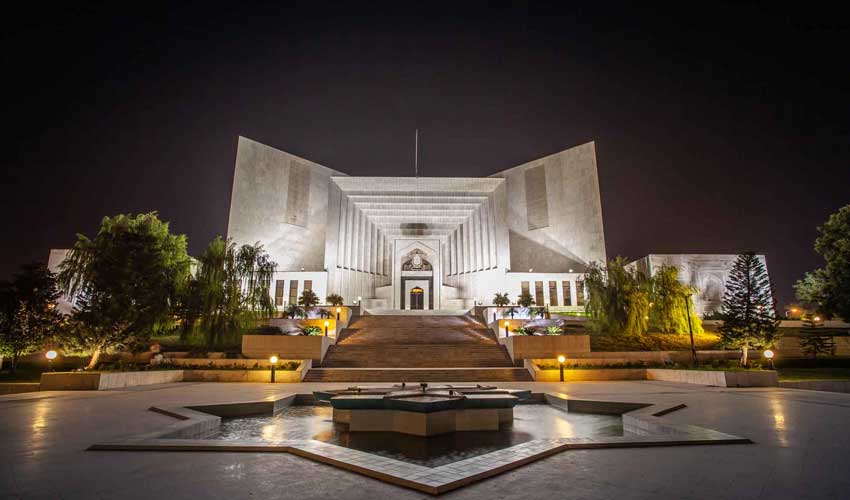
Pakistan Appoints Chief Justices to High Courts
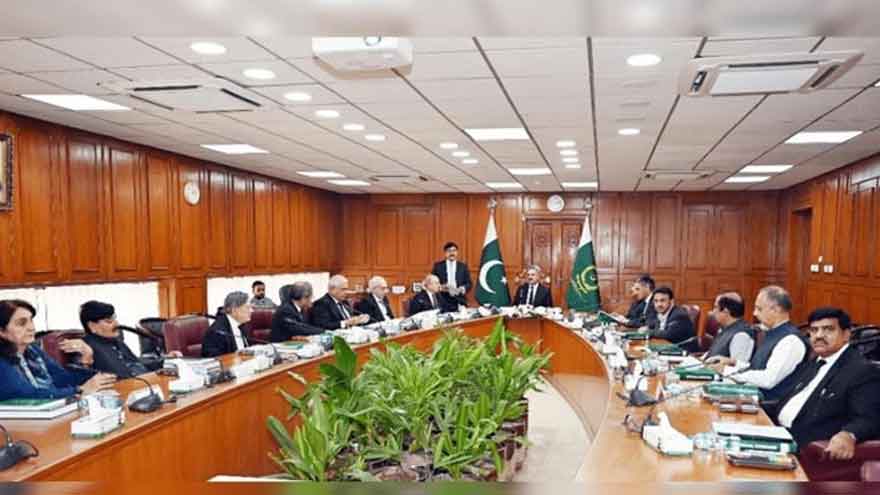
Chief Justices High Courts Pakistan. Chief Justice Yahya Afridi led the Judicial Commission of Pakistan (JCP) in approving four new chief justices on Tuesday. Leadership in the High Courts of Peshawar, Sindh, Balochistan, and Islamabad is enhanced by this action
Peshawar High Court Welcomes Justice Attique Shah
Justice SM Attique Shah became the permanent Chief Justice of the Peshawar High Court. The JCP selected him over Justice Ijaz Anwar and Justice Arshad Ali based on merit and judicial standing.
Justice Rozi Khan Heads Balochistan High Court
The JCP appointed Justice Rozi Khan as Chief Justice of the Balochistan High Court. He led the seniority list, ahead of Justice Kamran Khan and Justice Iqbal Kasi.
Sindh and Islamabad High Courts Also Get New Leadership
The Chief Justice of the Sindh High Court is currently Justice Muhammad Junaid Ghaffar. He was unanimously approved and at the top of the court’s seniority list. The JCP selected Justice Sarfraz Dogar for Islamabad, and he received nine of the twelve votes. He was ranked higher than Justice Miangul Hassan Aurangzeb and Justice Mohsin Akhtar Kayani.
Senator Ali Zafar Questions Appointment Method
PTI Senator Ali Zafar, who serves on the JCP, openly criticized the appointment process. He firmly argued that seniority must remain the primary criterion for selecting chief justices. Moreover, he pointed to a pending intra-court appeal concerning IHC judge transfers, implying that the current appointments appeared rushed and premature.
IHC Judges Challenge Judicial Transfers
In response to the recent appointments, five IHC judges—Justice Kayani, Justice Babar Sattar, and others—filed an intra-court appeal. They directly contested the Supreme Court’s decision that allowed the transfer of three judges to the IHC. Their appeal also urged the court to prevent Acting Chief Justice Dogar from continuing any judicial or administrative responsibilities.
Judicial Appointments Ignite Ongoing Debate
Although these appointments aim to strengthen the judicial system, they have also triggered renewed debate. Critics argue that the process must balance reform with the traditional principle of seniority. As a result, this controversy may influence future judicial appointments and shape the criteria used for leadership selection across Pakistan’s judiciary.
Learn more about Current Affairs News
