

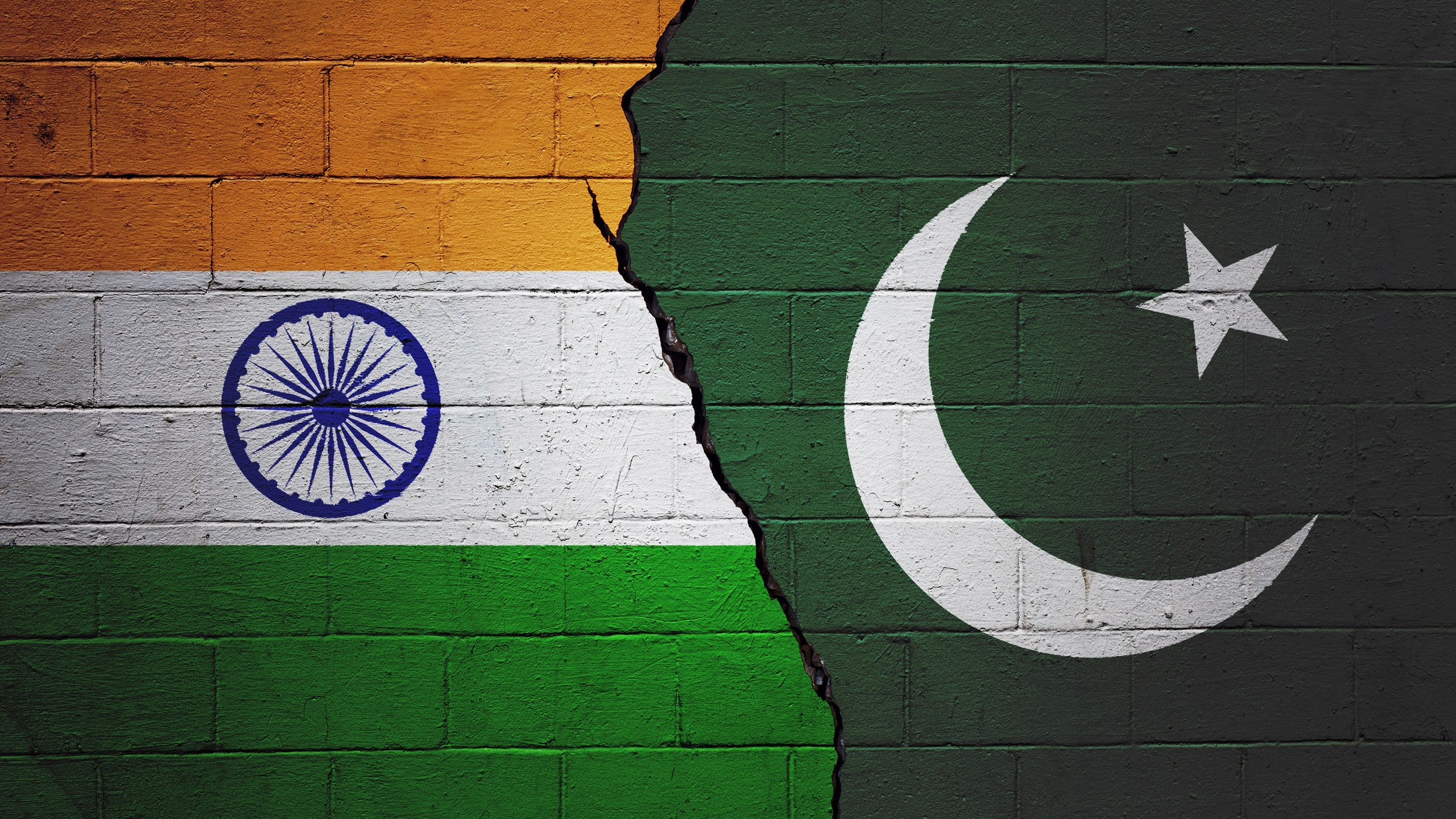
Pakistan India Prisoner List Exchange Renews Humanitarian Push
Pakistan India prisoner list. On July 1, 2025, Pakistan and India executed their biannual exchange of prisoner lists, as mandated by the 2008 Agreement on Consular Access. This protocol requires both countries to share updated lists twice annually—on January 1 and July 1—to maintain transparency and address humanitarian concerns.
A list of 246 Pakistani detainees was shown to an official of the Indian High Commission in Islamabad.This list included 193 fishermen and 53 civilian detainees who are presently being held by Pakistan. At the same time, India submitted a list of 463 people who were either recognized as Pakistani or thought to be Pakistani citizens. That list included 382 civilians and 81 fishermen detained across Indian facilities.
Pakistan Urges Release of Cleared Nationals
Following the latest Pakistan India prisoner list exchange, Pakistani officials called for the immediate release and repatriation of all detainees who have completed their sentences and whose national identity has been verified. They stressed that continued detention beyond sentence terms contradicts humanitarian values.
Pakistan also requested special consular access for prisoners who are physically or mentally challenged. This request aimed to facilitate the confirmation of nationality and enable a safe, expedited return for vulnerable individuals.
Humanitarian Principles Take Priority
Islamabad also appealed to New Delhi to grant consular access to remaining Pakistani prisoners still awaiting confirmation. Officials emphasized the importance of safeguarding the safety, dignity, and welfare of all Pakistani citizens in Indian prisons.
The Ministry of Foreign Affairs reaffirmed its dedication to humanitarian causes. It declared that Pakistan would persist in its efforts to ensure timely repatriation of all verified detainees held in Indian custody.
Diplomacy Amid Tensions
The exchange of prisoner lists between India and Pakistan is an important diplomatic avenue despite persistent political tensions. It paves the way for future collaboration and enables direct communication on important humanitarian issues between the two countries.
Both governments take an important first step toward lowering regional tensions by sharing these lists. They must honor their moral commitments, put human lives first, and deliver justice, dignity, and compassion without delay.
Learn more about Latest News
