

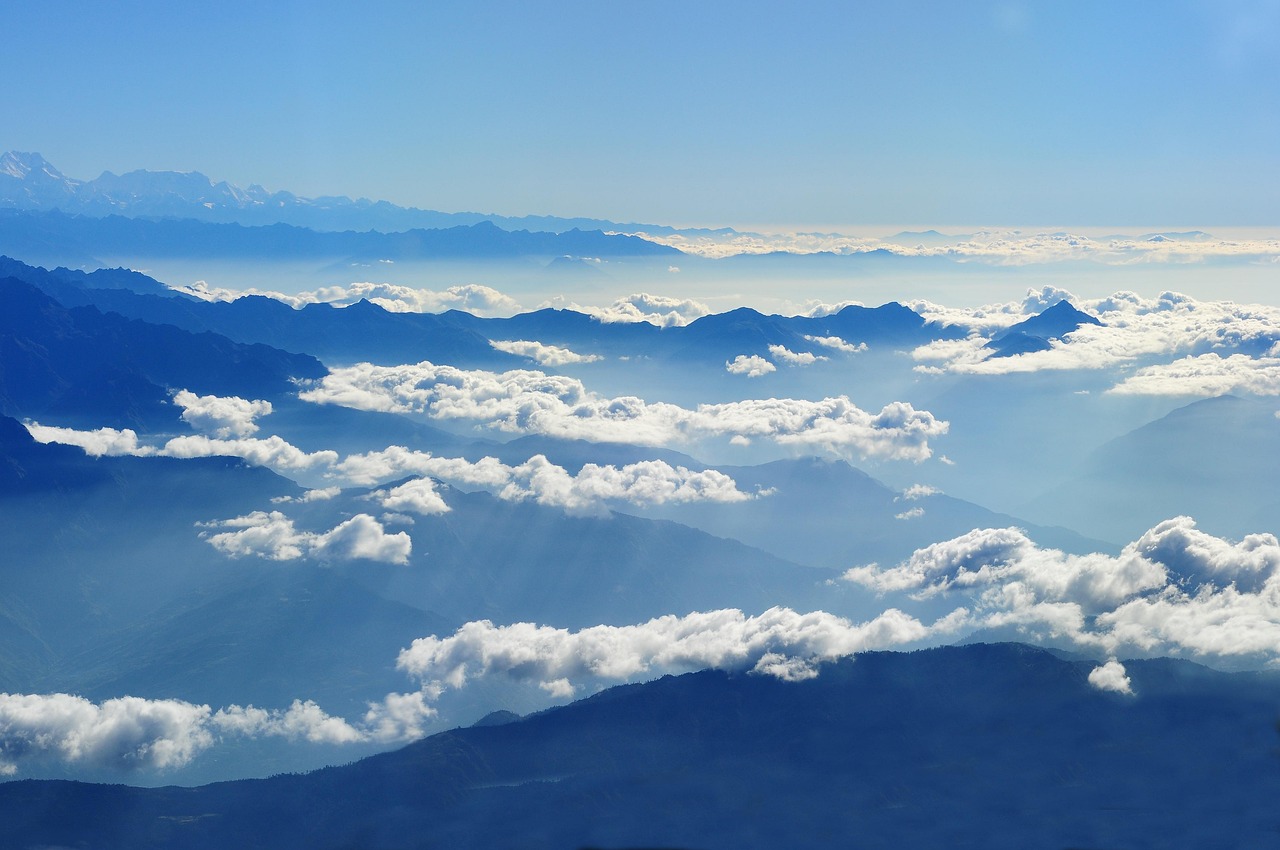
The remote Himalayan village of Samjung in Nepal’s Upper Mustang region, perched over 13,000 feet above sea level, has become a stark symbol of the devastating impact of climate change. Once thriving amidst its rugged terrain, Samjung is now a ghost village, its mud homes crumbling and its terraces cracked, abandoned by residents who could no longer fight the harsh changes in their environment.
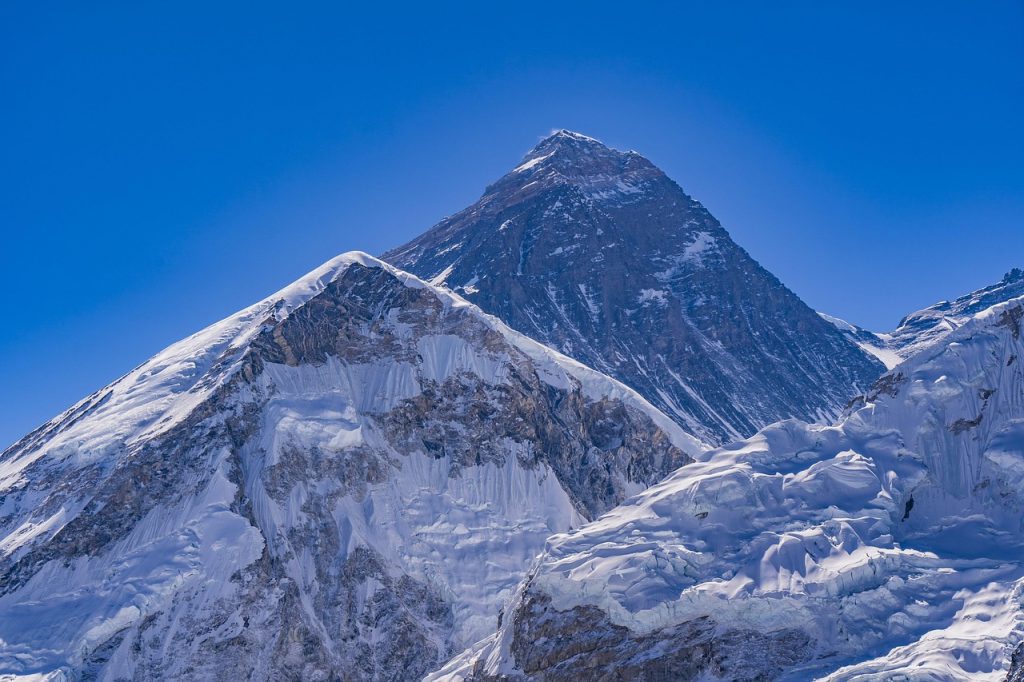
Life in Samjung: A Slow and Sacred Rhythm
Nestled in a wind-carved valley, Samjung was more than just a village; it was a community deeply rooted in tradition. Surrounded by ochre cliffs etched with ancient “sky caves” used for meditation, burial rituals, and shelter, the Buddhist villagers relied on yaks, sheep, and barley farming for their livelihood. The serene rhythms of life were a reflection of their harmonious relationship with nature.
The Water Disappears
That harmony was disrupted as climate change began to alter the landscape. Snowfall, once a reliable source of water, became increasingly rare. The snow-capped mountains around Samjung turned brown, and springs dried up. Traditional irrigation canals vanished, leaving fields parched. When rain did arrive, it was sudden and intense, flooding fields and eroding the mud houses that defined the village’s character.
The Slow Abandonment
The deteriorating conditions forced families to leave. Samjung’s population dwindled gradually, with each departing household leaving behind empty homes and neglected shrines. The village became a skeletal remnant of its former self, an eerie reminder of how climate change can devastate even the most remote corners of the world.
The Broader Himalayan Crisis
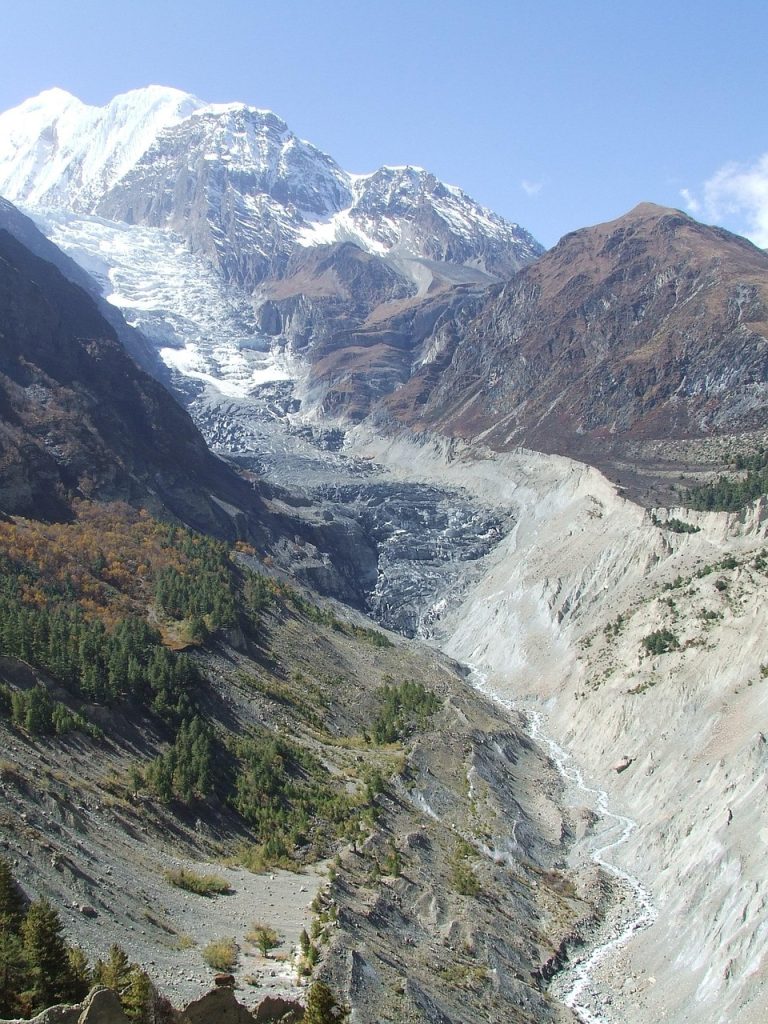
Samjung’s plight is not an isolated event but part of a larger crisis unfolding across the Hindu Kush and Himalayan regions. These high-altitude areas, spanning Afghanistan to Myanmar, hold the world’s third-largest reserve of ice after the Arctic and Antarctic. Their glaciers feed rivers that sustain 240 million mountain dwellers and an additional 1.65 billion people downstream.
However, these glaciers are retreating rapidly. Snowfall patterns have become unpredictable, and permafrost regions are thawing due to rising temperatures. High-altitude areas are warming faster than the lowlands, intensifying the challenges faced by communities like Samjung.
The Role of ICMOD in Understanding the Changes
The Kathmandu-based International Centre for Integrated Mountain Development (ICMOD) has been studying the rapid changes in the Himalayan region. Their research highlights the growing vulnerability of these high-altitude ecosystems and the people who depend on them.
The Urgent Need for Action
Samjung’s abandonment underscores the urgent need for global climate action. High-altitude regions are often overlooked in broader climate discussions, yet they are among the most vulnerable. The loss of glaciers and the disruption of water sources threaten not only local communities but also millions downstream who rely on these rivers for agriculture, drinking water, and energy.
Conclusion: A Warning to the World
The story of Samjung is a wake-up call. As the effects of climate change ripple through the Himalayas, the world must take action to reduce emissions and invest in sustainable solutions. Without immediate intervention, more villages like Samjung will face the same fate, leaving behind a trail of abandoned homes and lost traditions.
