

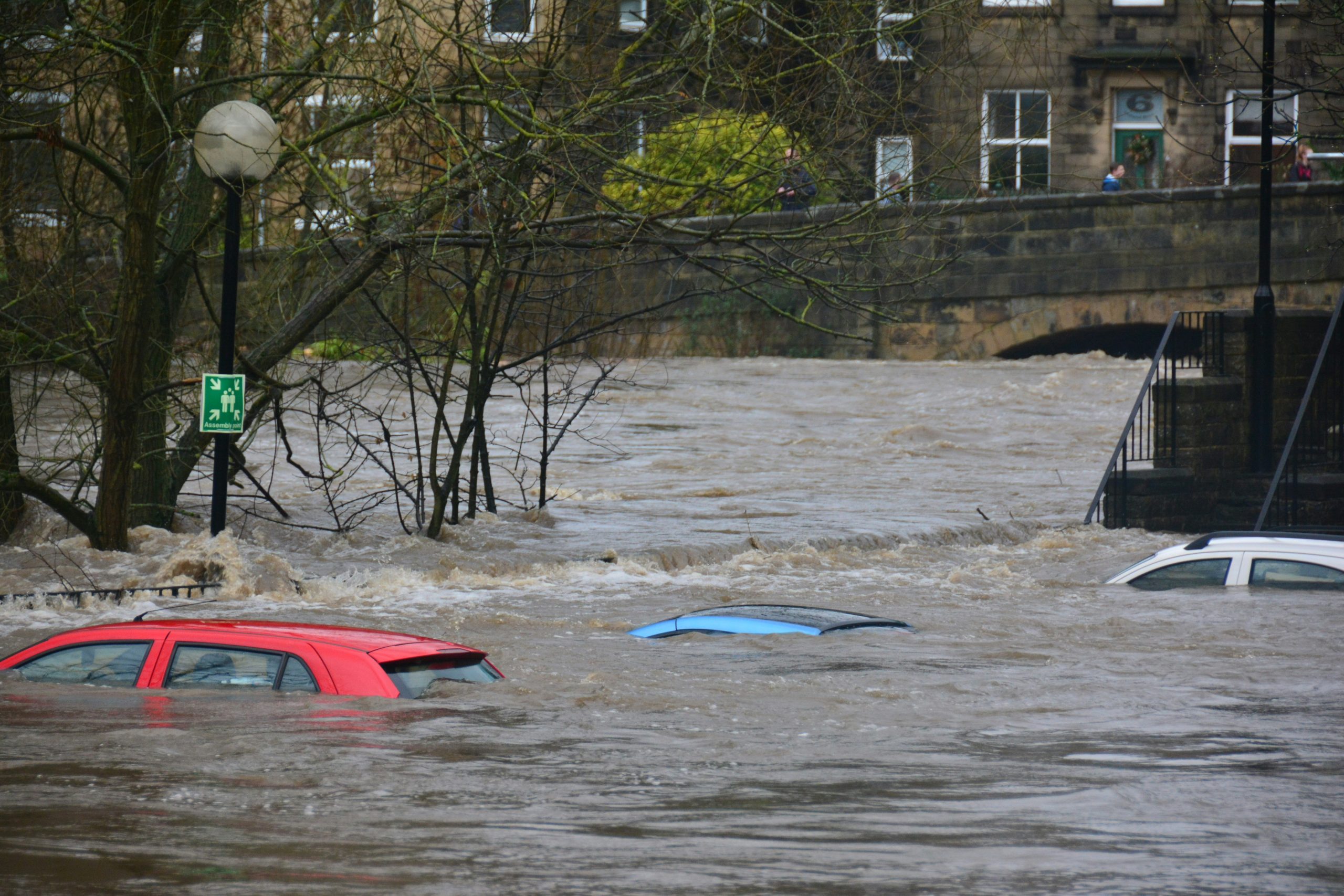
During the Texas Flash Flood Vigil 2025, hundreds of mourners gathered at Tivy Antler Stadium in Kerrville to honor the lives lost in one of the deadliest natural disasters in U.S. history. The tragic flash floods struck during the July Fourth holiday, leaving at least 120 dead and more than 160 still missing. As communities struggle with the emotional toll, search teams continue efforts to locate those unaccounted for.
Kerrville Community Gathers in Grief
On Wednesday evening, the Tivy Antler Stadium transformed from a symbol of school pride to a place of mourning. Locals wore blue shirts printed with the school’s motto, “Tivy Fight Never Die,” and green ribbons to remember victims from Camp Mystic—a cherished all-girls Christian camp that lost at least 27 campers and counselors to the floods.
Youth minister Wyatt Wentrcek addressed the gathering, describing the horror that struck “literally in the darkness” of night. “We were hit by tragedy while we slept,” he said. “Tonight, we stand together, hearts broken but united.”
Faith Leaders Offer Words of Comfort
Clergy from various denominations participated in the vigil. Ricky Pruitt of the Kerrville Church of Christ acknowledged the weight of the moment. “This stadium usually celebrates touchdowns and triumphs,” he said. “But tonight, it bears witness to pain, love, and community.”
Earlier that day, mourners packed Notre Dame Catholic Church in Kerr County for a rosary service dedicated to flood victims. The event offered spiritual solace as emergency teams continued to scour the Guadalupe River for signs of life—or closure.
The Death Toll Rises as Hope Diminishes
As of Wednesday evening, officials confirmed at least 120 deaths, with no survivors located since the previous Friday. Over 160 people remain unaccounted for, making this disaster the most fatal inland flood in the U.S. since Colorado’s Big Thompson Canyon flood of 1976, which claimed 144 lives.
Authorities revealed that search teams have deployed helicopters, boats, horseback units, and even dogs trained to detect human scent. Yet hope for finding survivors has faded, and the focus has now shifted to recovery and identification.
Camp Mystic Suffers Heavy Losses
Camp Mystic, nestled along the Guadalupe River, has operated for over 100 years and holds deep cultural significance for many Texan families. When the floods struck, the camp lost 27 members, including five campers and one counselor who remain missing.
Officials said the camp’s location—along a vulnerable river bend—left little time for evacuation. Many of those present had no formal record of lodging, complicating rescue and identification efforts.
Meteorologists Rank Disaster Among Worst in U.S. History
Meteorologist Bob Henson ranked the event as the deadliest inland flood in almost 50 years. He emphasized the scope and intensity of the disaster, comparing it to other catastrophic events in American history.
“This flood didn’t just hit a region—it swept through communities, schools, churches, and camps,” he explained. “The loss is both personal and historical.”
Governor Abbott Faces Backlash Over Preparedness
Texas Governor Greg Abbott has faced increasing criticism over the state’s preparedness and response. Many residents question why flood warnings came late and why local governments failed to implement effective evacuation plans.
During a press conference, Abbott acknowledged the shortcomings and vowed immediate action. He urged lawmakers to pass a new flood alert system and expand emergency communication networks. He also announced a special legislative session on July 21 to prioritize these reforms.
“The system failed many people,” Abbott said. “Now, we have a duty to fix it—not just in policy, but in memory of every life lost.”
Delayed Flood Siren System Under Fire
For years, community leaders debated the installation of a flood siren system across Hill Country. However, concerns about cost, noise pollution, and maintenance pushed the initiative aside. In the wake of this disaster, that decision has come under renewed scrutiny.
Sheriff Larry Leitha addressed public concern during the vigil. “We must answer hard questions later,” he said. “Right now, our mission is to find the missing and support the families still waiting.”
President Trump Pledges Federal Assistance
U.S. President Donald Trump expressed condolences and committed full federal support to Texas. He plans to visit affected areas on Friday, where he will meet with emergency personnel and victims’ families.
In a public statement, Trump said, “This tragedy has broken the hearts of the nation. We will stand with Texas—today, tomorrow, and through the long road of recovery.”
Volunteers Step Up Amid Despair
While officials face criticism and policy debates heat up, volunteers continue to shine. Across Kerr County and beyond, residents have delivered food, organized prayer circles, and assisted with search and rescue operations. Local high school students raised funds and handed out bottled water and first-aid kits near the stadium.
Volunteer coordinator Mia Caldwell said the outpouring of help reflects the true spirit of Texas. “People are grieving, but they’re also giving. In every corner of this tragedy, you’ll find someone trying to help.”

Emotional Toll Weighs Heavy on Families
Families gathered at the vigil held candles and photos of loved ones, clinging to fading hope. For many, the wait continues without answers. A mother clutched her daughter’s sweater as the stadium lights dimmed in silence.
Psychological counselors and grief specialists remained on-site during and after the event, providing immediate care to those overwhelmed by the trauma.
“This kind of loss is unimaginable,” said crisis therapist Brianne Lopez. “We must walk alongside these families for as long as it takes.”
Looking Ahead: Rebuilding, Reform, and Remembrance
As Texas begins to recover, the tragedy has ignited calls for sweeping reform in emergency management, especially for rural and recreational areas. Legislators have promised bipartisan support for funding flood prevention infrastructure, evacuation planning, and weather alert technology.
But for many Texans, the pain of this event will linger far longer than policy debates. They have lost children, friends, neighbors—and a sense of security.
In Kerrville and beyond, the people of Texas continue to pray, search, and rebuild. The blue shirts and green ribbons worn at the vigil will stand as lasting symbols of both sorrow and resilience.
