

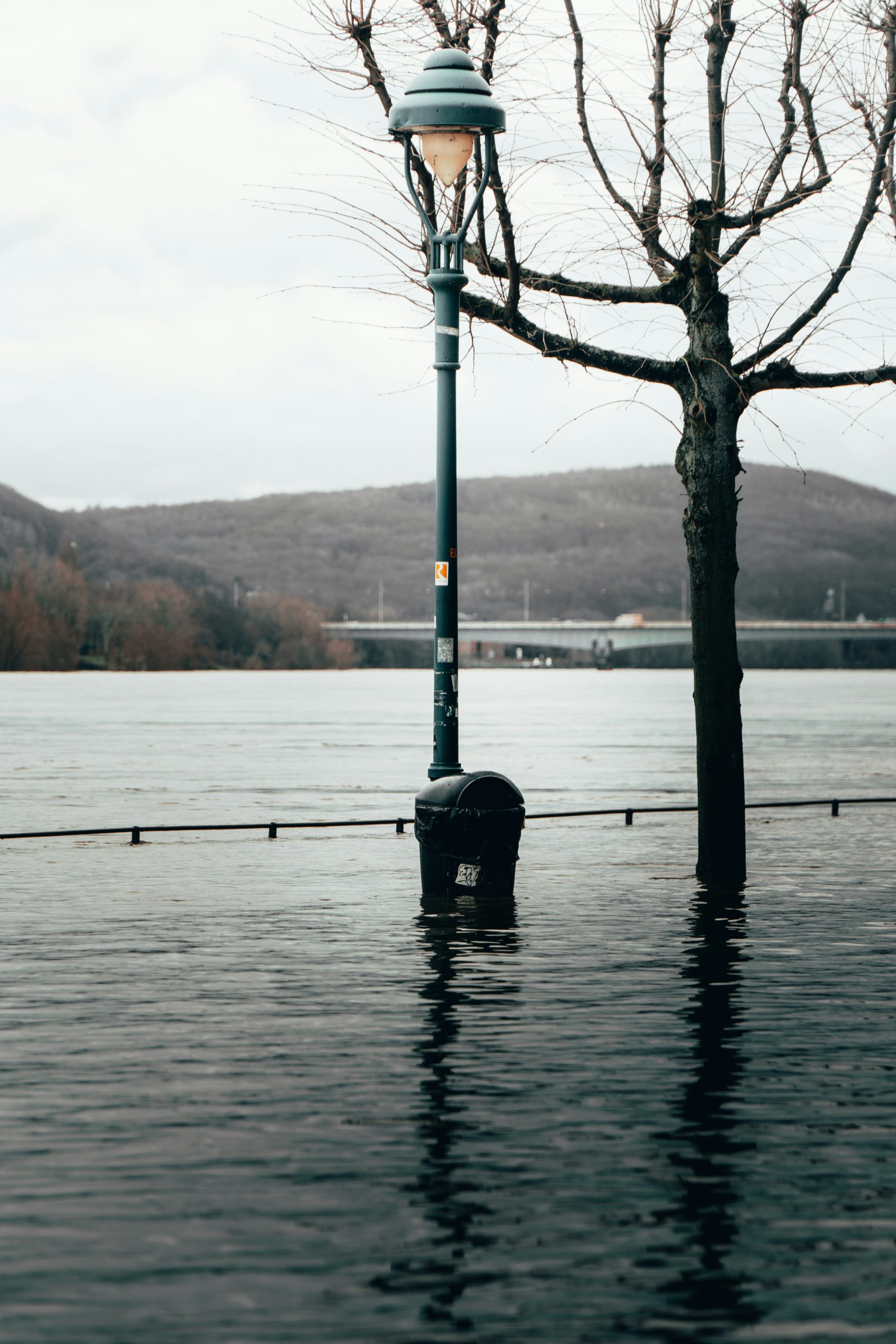
Flash flood disasters in the US have dominated headlines in recent weeks as severe storms devastated multiple states, claiming lives and overwhelming infrastructure. From Texas to North Carolina, Illinois to New Mexico, communities faced record-breaking rainfall, rising rivers, and tragic losses. Experts point to a deadly combination of stalled weather systems, burn-scarred land, urbanization, and climate change as key drivers behind the surge in intense summer flooding.
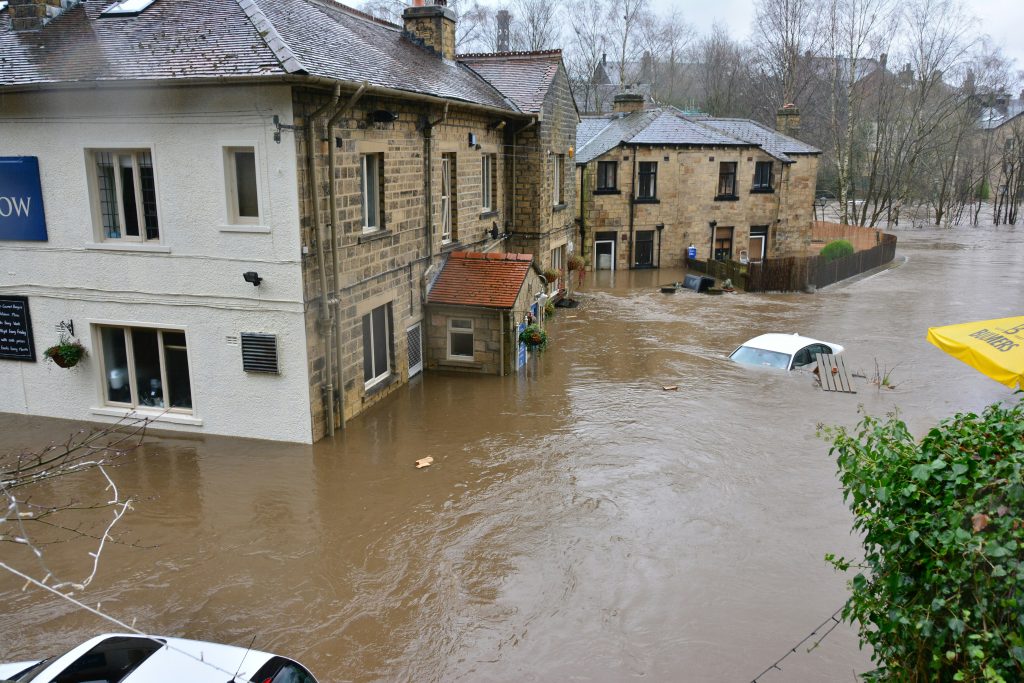
Catastrophic Flooding Hits Multiple States Back-to-Back
Over the July 4th weekend, slow-moving thunderstorms dumped unprecedented rainfall across Texas, releasing more than a season’s worth of water in a single day. Rivers overflowed in the Hill Country, submerging roads and neighborhoods, and tragically killing at least 120 people. In central North Carolina, Tropical Storm Chantal swept through the region just days later. The storm delivered nearly 12 inches of rain in a short span, pushing the Eno River above 25 feet and breaking records set by Hurricane Fran in 1996. The deadly flooding claimed six lives. Just days after those events, Chicago endured what meteorologists classified as a 1-in-1,000-year rainfall event. At the same time, in Ruidoso, New Mexico, storms triggered flash floods that swept through the mountainous region, destroying homes and leaving three people dead. These disasters occurred within a single week highlighting the intensity and frequency of this year’s summer flood season.
Why Flash Floods Spike in Summer
Summer marks peak season for flash floods in the United States. Hot temperatures feed powerful thunderstorms, and warmer air holds more moisture, which increases rainfall potential. These conditions often result in high-intensity storms capable of releasing massive amounts of water in short periods. In Texas, remnants of Tropical Storm Barry elevated atmospheric moisture levels to historic highs, which primed the atmosphere for heavy precipitation. Similarly, Tropical Storm Chantal’s lingering moisture fueled torrential rainfall across North Carolina. During summer, storms often stall or slow due to weakened upper-level winds and a northward-shifted jet stream. As storms linger over a specific area, they unleash rain faster than the ground or storm drains can absorb it. This stalling effect played a central role in the flooding of both Texas and Chicago, where stationary storm systems dropped more than 5 inches of rain in under two hours.
Urban Development Magnifies the Damage
Urban areas like Chicago suffer more during flash flood events due to impervious surfaces such as roads and parking lots. These surfaces prevent water from soaking into the ground, channeling runoff into storm drains that can quickly back up or clog. Once overwhelmed, these systems force floodwaters onto streets and into homes, as seen in several neighborhoods during Chicago’s record-breaking storm. Suburban and rural areas also struggle when infrastructure is outdated or unprepared for extreme events. Communities in Texas and New Mexico experienced this firsthand, as floodwaters swept through towns and damaged roads, homes, and businesses that were never built to withstand such force.
Wildfire Scars Increase Flooding Risk
New Mexico’s deadly floods offer another critical insight: landscapes previously scorched by wildfire are especially prone to flash floods. Burn scars left by the 2024 South Fork and Salt Fires removed vegetation that would normally help absorb rainfall and stabilize soil. Post-wildfire terrain often develops a water-resistant layer beneath the surface, which forces rain to run off rapidly rather than soak in. In mountainous regions like Ruidoso, this runoff rushes downhill, collecting speed and debris, increasing the flash flood threat even when rainfall totals are modest. Since the 2024 wildfires, Ruidoso has endured more than a dozen flash flood emergencies, showing how quickly burned areas can shift from drought-prone to flood-prone within a single season.
Drought Can Also Amplify Flood Risk
Although it seems counterintuitive, extended drought can also intensify flash flooding. When soil dries out over time, it becomes hard and compacted. Instead of soaking up rainfall, the hardened ground repels it similar to how water slides off concrete. This phenomenon was evident in Texas and New Mexico, where preexisting drought conditions set the stage for widespread runoff and flash flooding. Years of heat and water scarcity also weaken vegetation, increasing erosion risks when floods occur. With both drought and wildfire scars prevalent in the Southwest, conditions were ideal for flood disasters to unfold this summer.
The Climate Change Connection
Scientists agree that climate change has intensified the conditions responsible for these catastrophic floods. As global temperatures rise, the atmosphere can hold significantly more water vapor about 7% more for every 1°C (roughly 2°F) of warming. This additional moisture fuels heavier and more frequent downpours. Warmer global temperatures have also allowed tropical-like air masses to reach farther north, bringing high-intensity rainfall to regions not historically accustomed to such extremes. This shift increases the chance for tropical storm remnants, like Barry and Chantal, to interact with inland weather systems and spark dangerous flood conditions. As wildfires and droughts worsen with climate change, more landscapes become vulnerable to extreme runoff. These changes create a vicious cycle where dry conditions prime the land for floods, and when heavy rainfall finally arrives, it causes maximum destruction.
Infrastructure Struggles to Keep Up
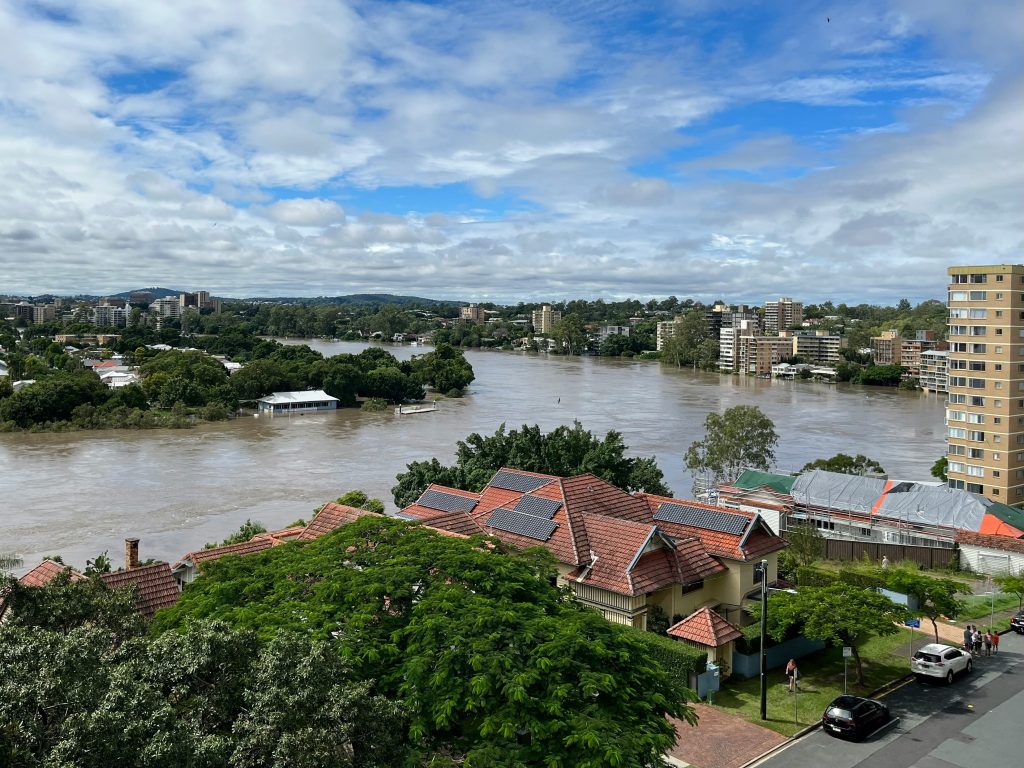
The U.S. faces a growing infrastructure challenge. Drainage systems, roads, and levees in many communities were designed for mid-20th-century rainfall patterns not today’s extremes. As storms become more intense and frequent, aging infrastructure buckles under the pressure. A study by Climate Central revealed that hourly rainfall intensity has increased in nearly 90% of large U.S. cities since 1970. Chicago, for instance, has seen an 8% jump in rainfall intensity. The city’s recent storm surpassed even the most extreme short-duration rainfall events recorded in the 1970s. Without modernization and investment, many cities and towns will continue to face escalating risks from floods, especially during the summer months when storm activity is already at its peak.
Looking Ahead: Preparing for the New Normal
Flash flooding has always been a seasonal threat, but the danger is growing. Climate-driven weather patterns, combined with urban sprawl, outdated infrastructure, and altered landscapes, have created the perfect storm for record-breaking floods across the country. Communities must take urgent action upgrading drainage systems, reevaluating zoning laws, investing in emergency preparedness, and restoring fire-damaged ecosystems to reduce future risks. As 2025 continues to deliver sobering reminders of how fragile our environment and infrastructure can be, the recent flash flood disasters in the US stand as a wake-up call. If current trends persist, extreme rainfall and deadly floods will no longer be anomalies they will become our new summer reality.
