


Inflation Data Aligns with Ministry Projection
KARACHI: The Pakistan Bureau of Statistics (PBS) reports that in June 2025, consumer price inflation in Pakistan increased 3.2% year over year. This number closely resembles the 3–4% prediction made by the Ministry of Finance.
Prices rose by 0.2 percent on a monthly basis, reversing the May decline. Despite the seemingly minor change, the yearly rise illustrates how Pakistan’s fiscal reforms have affected the economy.
Central Bank Holds Interest Rate Steady
The State Bank of Pakistan (SBP) declared it would keep the policy interest rate at 11% shortly after the inflation report. The SBP said it was confident that inflation would eventually fall within the target range of 5 to 7 percent, but it cautioned about short-term price volatility.
Budget Reforms Raise Inflation Risks
A number of changes were made after Pakistan’s FY 2025–2026 government budget was released. The government reduced subsidies and imposed many new taxes to meet the conditions of a long-term loan agreement with the International Monetary Fund (IMF). The main objective of these measures is to increase fiscal stability, however they may also result in price increases.
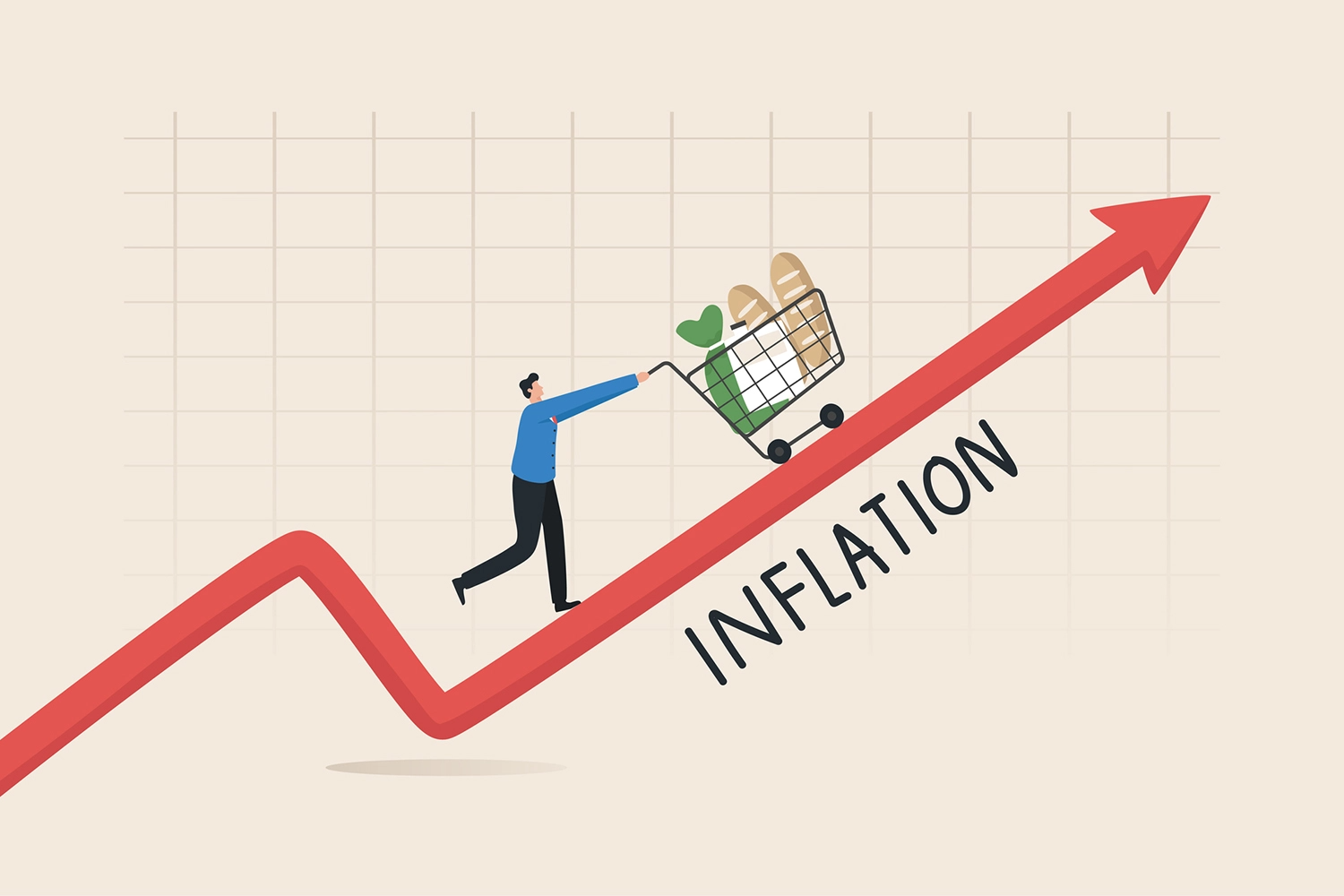
Analysts caution that increasing energy tariffs and indirect taxes may drive inflation higher in the second half of the year. Many households and businesses, already coping with higher living costs, could feel further pressure.
Stock Market Reacts with Optimism
Despite inflation concerns, investor sentiment remained strong. On the first day of the new fiscal year, the Pakistan Stock Exchange (PSX) surged by 2.3 percent, reaching an all-time high of 128,475.7 points. This rally signals optimism about Pakistan’s economic strategy and expectations for a finalized IMF agreement.
Looking Ahead: Balancing Growth and Stability
The government’s reform signals and the SBP’s stable monetary policy are credited by financial analysts with temporarily calming investors. But sustaining growth without rekindling inflation is Pakistan’s true challenge.
Future stability will rely on central bank decisions, policy coherence, and the prompt implementation of IMF-backed structural reforms as Pakistan pursues these reforms.
These economic indicators will shape public sentiment, influence policy decisions, and determine the pace of Pakistan’s recovery in coming months.
Read More latest News
