

Strategic Partnership for Urban Development
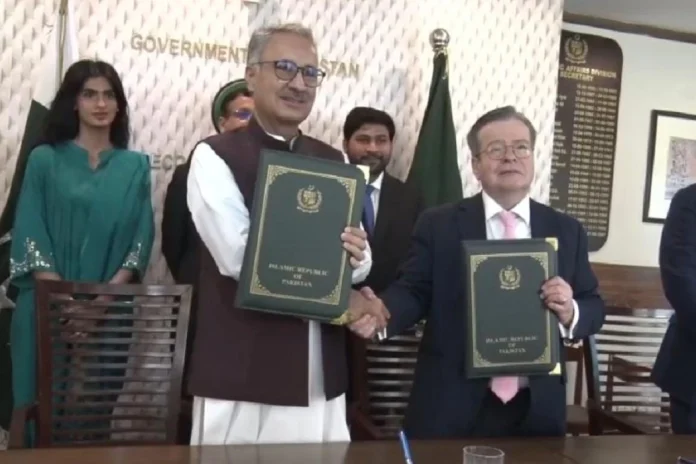
France Pakistan water deal Pakistan and the French Development Agency (AFD) signed a €12 million grant agreement to enhance water and sanitation services in urban Punjab. The agreement, signed at the Ministry of Economic Affairs, targets service improvements in Lahore and Faisalabad.
Kazim Niaz (Secretary, Ministry of Economic Affairs), Nicolas Galey (French Ambassador to Pakistan), and Vincent Thevenot (AFD Pakistan Director) led the signing ceremony. Funded by the European Union and managed by AFD, the initiative was celebrated by officials from the EU and Punjab Government.
Purpose and Vision
The grant aims to boost the governance and operational efficiency of Water and Sanitation Agencies (WASAs) in Lahore and Faisalabad. As urban demand rises, the project seeks sustainable infrastructure to ensure clean water access and effective sanitation.
1. Strengthening Oversight
At the provincial level, the project will reinforce the regulatory role of the Housing, Urban Development & Public Health Engineering Department (HUD&PHED). This includes developing strong frameworks for monitoring and accountability.
2. Improving Utility Operations
Lahore and Faisalabad WASAs will adopt modern technologies, new systems, and upgraded business models. These improvements will increase service efficiency and financial sustainability. Smart systems, real-time monitoring, and customer-focused upgrades will drive transparent and timely service.
3. Promoting Digital Tools and Equipment Procurement
The initiative will support WASAs through modern equipment and digital platforms. With these tools, decisions will be data-driven and transparent. Digitization will improve billing, service coverage tracking, and maintenance oversight.
Step Toward Sustainable Cities
This landmark project reinforces Pakistan’s urban development commitment. Urban centers in Punjab face water shortages, contamination, and poor sanitation. This partnership aims to resolve these challenges with modern, sustainable methods.
The program supports Pakistan’s Sustainable Development Goal 6 (Clean Water and Sanitation). It is expected to reduce disease risks and raise hygiene standards across cities.
EU and AFD Collaboration
The EU’s decision to fund the initiative through AFD ensures effective management and strategic alignment.
French Ambassador Nicolas Galey expressed France’s continued support for Pakistan’s urban reforms. AFD Director Vincent Thevenot emphasized the role of community participation and inclusive design in achieving lasting results.
Punjab Government’s Role
Punjab authorities are fully engaged. They have begun assessments and staff training programs to modernize water utility services.
This project aligns with Punjab’s broader smart city strategy, combining green infrastructure and digital planning for vibrant, sustainable cities.
Key Outcomes
The initiative is expected to:
- Improve access to clean drinking water
- Expand reliable sanitation services
- Minimize water loss and infrastructure issues
- Strengthen agency collaboration
- Build public confidence in urban services
Initially targeting over one million residents, the pilot’s success may lead to expansion across other urban areas.
Ensuring Sustainability and Impact
A comprehensive monitoring and evaluation (M&E) plan will track outcomes. Metrics will cover service reliability, financial performance, and citizen satisfaction.
Community feedback, audits, and third-party evaluations will shape policy and guide improvements. Capacity-building in data analytics and results reporting will help ensure long-term success.
Training and community outreach will promote ownership. Residents will learn water conservation methods, hygiene practices, and the value of paying for high-quality services.

A Model for Future Projects
This €12 million collaboration is more than a grant; it’s a model for future development partnerships. By fusing local insights with international support, the project sets a new benchmark in people-first urban planning.
Success here could inspire additional collaboration in renewable energy, climate adaptation, and sustainable transportation.
Conclusion
The Pakistan-France €12 million water and sanitation agreement represents a significant step in Pakistan’s urban transformation journey. It promises improved governance, smarter systems, and cleaner infrastructure.
As the program launches in Lahore and Faisalabad, it may serve as a national model for innovation in public services. Backed by EU funding and AFD oversight, this partnership exemplifies how strategic cooperation can drive sustainable growth and healthier cities.
Expanding the Impact Beyond Punjab
Looking ahead, the Pakistan-France collaboration on water and sanitation is expected to serve as a scalable model for other provinces across the country. With a growing urban population, cities like Karachi, Rawalpindi, and Multan face similar infrastructure and service challenges. The success of this €12 million pilot project in Lahore and Faisalabad will offer valuable insights and tested frameworks that can be adapted nationwide.
Additionally, this initiative underscores the importance of sustainable public service delivery in improving citizens’ quality of life. Clean water and effective sanitation are not just infrastructure goals they are vital public health, economic, and social imperatives. By prioritizing investment in these areas, Pakistan is laying the foundation for resilient urban growth.
International development partners have taken note of this progress. If the project delivers tangible results, it could attract further funding from European donors and global agencies focused on sustainable cities.
Ultimately, this project reflects Pakistan’s commitment to long-term development goals, and its ability to build meaningful, effective partnerships that deliver real impact on the ground. The momentum generated here could reshape urban governance for decades to come.
