

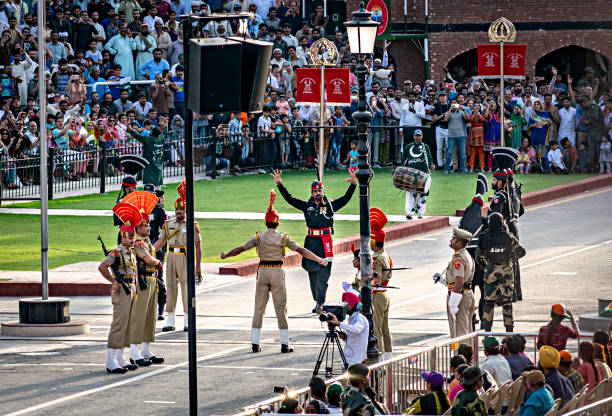
LAHORE July 4, 2025: Pakistanis return via Wagah border in a rare show of quiet diplomacy, 46 Pakistani nationals, including 35 Hindus, returned from India through the Wagah border on Thursday. The group had been stranded for months, caught in the middle of escalating political friction between the two neighboring nations.
This homecoming underlines how discreet humanitarian efforts can still persist, even when formal diplomatic relations break down.
Pakistani Citizens Safely Cross Wagah Border
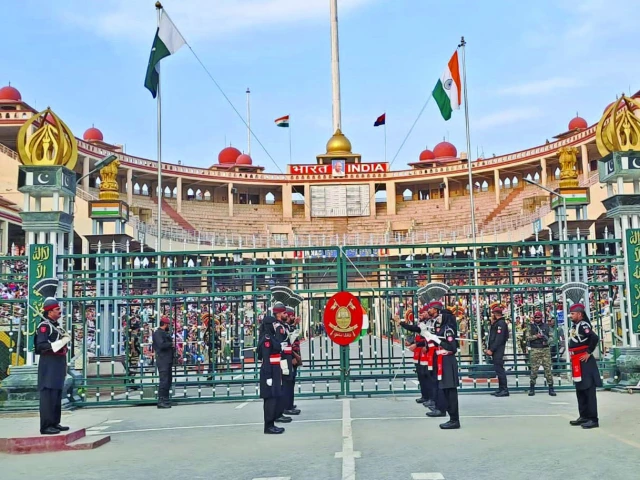
On Thursday morning, the Pakistani returnees entered the country through the Wagah-Attari border crossing, where immigration and interior ministry officials received them. Upon arrival, all individuals underwent identity verification and routine health screenings to complete reentry protocols.
The group consisted of students, religious pilgrims, and long-term visitors who had entered India before ties between the two countries deteriorated earlier this year.
April Attack Triggers Border Shutdown
The diplomatic fallout began in April 2025 following a terrorist assault on a tourist resort in Pahalgam, situated in Indian Illegally Occupied Jammu and Kashmir (IIOJK). The attack, which killed 26 people, sparked a harsh security response from Indian authorities.
India then closed the Wagah border and ordered all Pakistani citizens to leave its territory. As a result, dozens of Pakistanis found themselves stranded, unable to return due to halted consular activity and suspended border services.
Military Standoff Fuels Diplomatic Freeze
In May, bilateral tensions escalated further when a brief military confrontation broke out between Pakistan and India. For four days, exchanges along the Line of Control (LoC) intensified. Though both sides eventually ceased fire, the conflict left relations deeply fractured.
Following the clash, each country recalled its diplomats, suspended talks, and blamed the other for destabilizing the region.
Humanitarian Cooperation Quietly Moves Forward
Amid the political deadlock, silent diplomatic channels remained open for humanitarian purposes. The return of the 46 stranded Pakistanis is the outcome of behind-the-scenes coordination between officials from both nations.
According to government sources, special arrangements ensured that the most vulnerable including women, children, and the elderly — could return first. Backdoor diplomacy and support from international mediators helped facilitate the movement.
Minorities Among the Returnees
Among the returnees, 35 were Pakistani Hindus who had visited India for religious pilgrimages or to meet relatives. Their return demonstrates how minority communities are often disproportionately affected by cross-border tensions.
Family members waiting at the Wagah terminal expressed relief. “We were terrified we wouldn’t make it back,” said a returning pilgrim. “But thankfully, both governments cooperated to bring us home.”
Health and Security Protocols Ensured
Officials from the Ministry of Interior and Immigration Department monitored the border reentry closely. Medical teams were deployed to perform health checks, although no COVID-19 or infectious disease cases were reported.
A spokesperson for the Ministry of Foreign Affairs confirmed that Pakistan would continue to liaise with international agencies to guarantee the safe repatriation of its citizens whenever needed especially during politically sensitive periods.
A Glimpse of Diplomatic Hope
This humanitarian gesture has sparked cautious optimism among analysts, who see it as a potential step toward restoring limited bilateral engagement. Although formal dialogue is currently off the table, these small acts of cooperation could pave the way for confidence-building measures in the future.
Such moves could prevent a complete diplomatic breakdown and ease tensions gradually.

Cross-Border Movement Still Limited
Despite this success, travel between the two nations remains heavily restricted. Visa services are suspended, and passenger trains and buses between Pakistan and India are not operational. Additionally, cultural exchanges, sporting events, and consular visits have been paused indefinitely.
Many cross-border families remain separated due to these continued restrictions, further emphasizing the human toll of geopolitical hostilities.
International Reactions and Observations
The global community welcomed the repatriation and encouraged both countries to focus on resolving conflicts through peaceful means. Human rights organizations praised the coordination and called for humanitarian routes to remain open regardless of political strain.
They emphasized the importance of prioritizing human dignity over political disputes, especially when it involves civilians who are caught in between.
Symbol of Humanitarian Resilience
While the number of returnees is small, the impact is significant. This event reminds both nations and the world that humanitarian principles must remain intact, even when diplomacy fails.
Allowing people to return home safely amid a backdrop of hostilities proves that compassion and cooperation can coexist with conflict, at least on humanitarian grounds.
Conclusion
The return of 46 Pakistani nationals via the Wagah border showcases the quiet strength of humanitarian diplomacy during difficult times. Though formal relations between India and Pakistan remain cold, the successful repatriation highlights the value of discreet yet impactful coordination.
As both countries continue to face complex political challenges, gestures like these show that dialogue however minimal is still possible. For now, the return marks a small but meaningful win for humanity in a region often defined by its conflicts.
Learn more Politics news
