

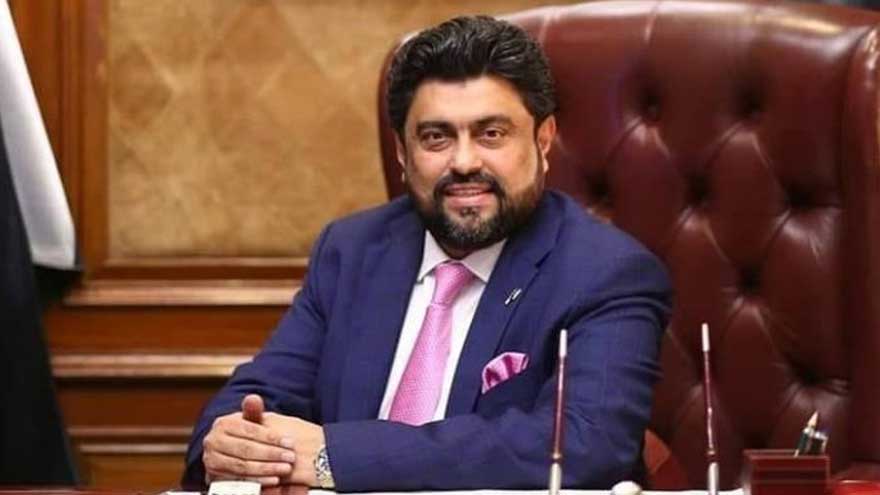
A five-storey building collapse in Karachi’s Lyari neighborhood has left 27 people dead, triggering grief, outrage, and urgent calls for reform. In response, Sindh Governor Kamran Tessori has pledged relief and accountability measures for the victims and their families.
Governor Announces Relief Measures
Speaking to the media on Tuesday, Governor Tessori described the incident as a heartbreaking tragedy. He announced that families of the deceased would receive 80-square-yard residential plots to help them restart their lives. He also promised ration packs for those who lost their homes in the collapse.
While visiting the affected area, Tessori criticized the Sindh government’s lack of progress in housing schemes. He highlighted the case of Scheme 42 in Taiser Town, noting that no significant development had occurred there in over two decades. Due to such delays, many people are forced to live in unsafe private buildings.
Governor Demands Overhaul of SBCA
Governor Tessori revealed that the Director-General of the Sindh Building Control Authority (SBCA) has been suspended. However, he emphasized that changing a few officials wouldn’t fix the deeply flawed system. “This is not about politics. This is about saving lives in our city,” he said.
He urged affected families to register at the Governor’s House to ensure timely support. He also welcomed the chief minister’s decision to form an investigation committee and promised to monitor the outcomes closely. Tessori plans to raise the matter in the provincial assembly to ensure accountability.
Furthermore, he urged the provincial government to pay six months’ rent to displaced families and provide them homes within the same neighborhood to preserve community ties.
Sindh Government Responds
Sindh government spokesperson Sadia Javed commented on the governor’s visit. While she appreciated his presence, she said he should have come immediately from Islamabad after the incident. “Karachi was in mourning. The people needed immediate support,” she said.
She advised the governor not to make promises that may not be fulfilled, adding that this was a time for genuine action. Javed also appreciated Tessori’s recognition of the provincial government’s efforts.
She criticized the absence of welfare organizations often seen at the Governor’s House but missing at the disaster site. Javed assured the public that action had already begun against other unsafe buildings in Lyari and would expand citywide.
Rescue Operation and Human Toll
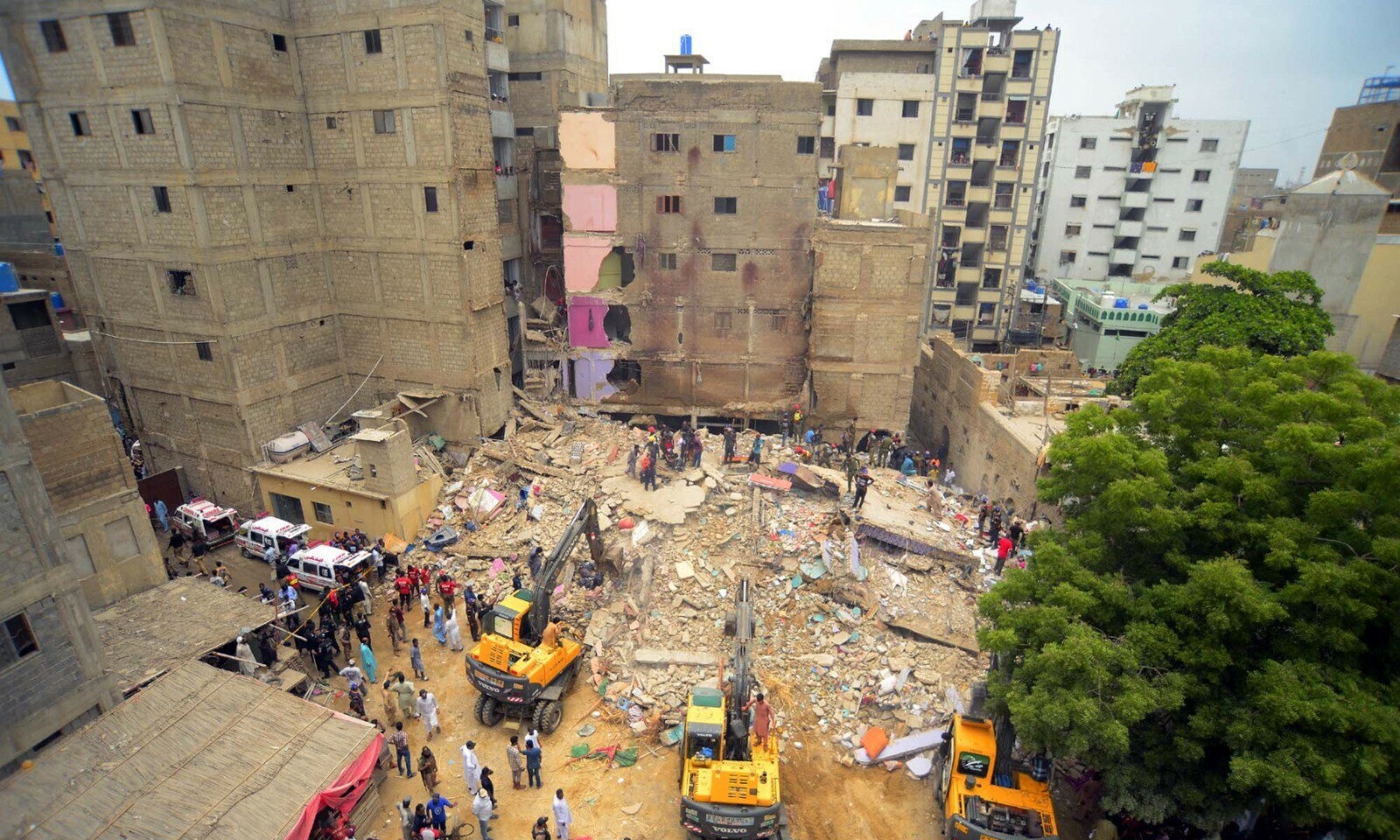
The building collapsed on Friday in Lyari’s Baghdadi area. Rescue 1122, police, and Rangers arrived quickly. Heavy machinery was used to clear debris, and the operation lasted until Sunday.
Rescue teams pulled out 27 bodies, including three children, nine women, and fifteen men. The last victim retrieved was a young man named Zaid. Eleven people were injured, ten of whom have since been discharged from hospitals.
Despite the destruction, emergency teams managed to save ten people alive from the rubble. Their efforts were praised for saving lives in such a tragic event.
Warnings Ignored, System Failures Exposed
Preliminary investigations show the building was already in a weakened state. Nearby construction had reportedly undermined the building’s foundation, further destabilizing the structure. Yet, no timely inspection or preventive action was taken.
Authorities admitted that early warnings were issued, but enforcement remained weak. Section 144 had been imposed, banning swimming and boating in the area. But the restriction wasn’t enforced effectively.
This negligence has reignited debates around urban safety and governance in Karachi, where thousands of buildings are reportedly unsafe. Experts insist that without immediate reforms, similar disasters may happen again.
SBCA Under Scrutiny Again
The SBCA, often criticized for corruption and inefficiency, faces renewed scrutiny. Civic bodies and human rights organizations are demanding legal reforms and increased transparency in building approvals and inspections.
The suspension of the DG SBCA is seen as a temporary measure. Activists are urging the government to implement long-term policies that ensure better construction standards and stricter enforcement.
Lyari Community in Mourning
Lyari remains gripped by sorrow. Families are holding funerals, and residents are still in shock. Community leaders and volunteers are doing what they can to support the grieving.
Governor Tessori addressed the public again, saying, “No words can replace the lives lost. But we promise action. We promise change.”
A Wake-Up Call for Karachi
This tragedy has exposed the glaring gap between policies and ground realities. Experts agree that short-term aid, while necessary, won’t prevent future disasters. Karachi needs comprehensive urban planning, enforced safety standards, and community participation.
Thousands of buildings remain at risk, and the city’s infrastructure continues to suffer from years of neglect. The Lyari incident must not fade from public memory. It should become a turning point for urban safety and governance.
Conclusion Will Action Follow Words?
As Karachi mourns another preventable loss of life, residents are demanding more than condolences. They want real reforms, real accountability, and a future where such tragedies are no longer common.
Whether the government’s promises turn into action remains to be seen. But one thing is clear—Lyari’s collapse must serve as a lasting reminder of what happens when governance fails and people are left vulnerable in their own homes.
Read more Latest News
