

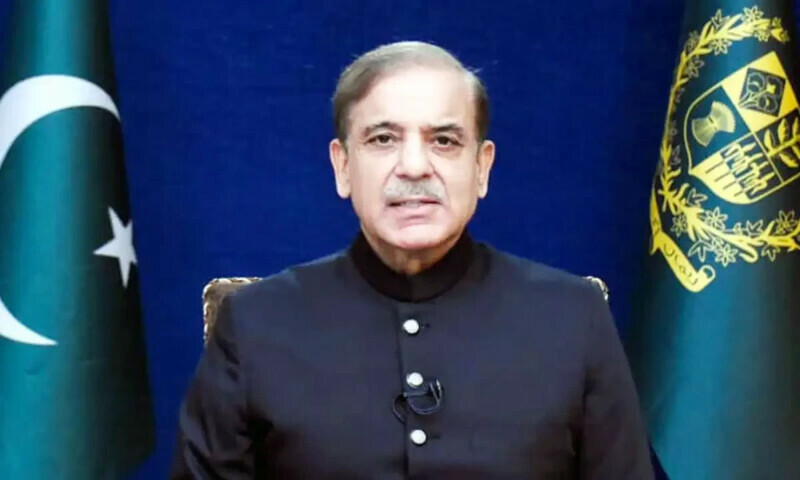
ISLAMABAD: Tax Collection in Pakistan Prime Minister Muhammad Shehbaz Sharif on Monday extended commendation to the Federal Board of Revenue (FBR) and the Intelligence Bureau (IB) for their pivotal roles in significantly increasing Pakistan’s tax revenue. Recognizing the joint efforts of government institutions, the Prime Minister urged all stakeholders to continue working collaboratively to ensure sustained economic growth and public welfare.
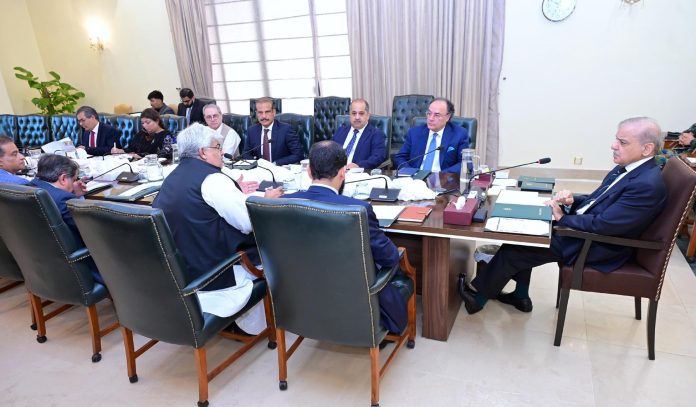
During a high-level meeting, the Prime Minister received a comprehensive report from the FBR and IB detailing the outcomes of their coordinated campaigns targeting tax evasion and hoarding. According to the report, these joint operations resulted in the recovery of a substantial Rs. 178 billion. The Prime Minister lauded the efficiency and dedication of the involved agencies, stating that their collective resolve is crucial to stabilizing the country’s economy.
Breakdown of Revenue Achievements
The report highlighted that Rs. 69 billion was collected from tax revenue through corporate mergers and telecom sector dues. These figures reflect a marked improvement in enforcement and financial oversight, areas which have traditionally been plagued by inefficiencies.
Moreover, the Intelligence Bureau conducted an extensive crackdown across various industries. The IB executed 515 raids within the sugar, animal feed, beverages, edible oil, tobacco, and cement sectors. These operations, aimed at preventing tax evasion, recovered Rs. 10.5 billion. The Prime Minister applauded these results and emphasized the necessity of maintaining such momentum.
Anti-Hoarding Campaigns
Beyond tax recovery, the government has intensified its focus on hoarding and artificial price hikes. The Intelligence Bureau led more than 13,000 operations in critical sectors, including sugar, fertilizer, and wheat. These interventions disrupted illicit stockpiling practices and prevented artificial shortages that drive up prices.
The report revealed that since April 2022, goods worth over Rs. 99 billion have been seized during anti-hoarding raids. These efforts are part of a broader economic reform agenda aimed at ensuring the fair distribution of essential commodities and curbing profiteering. The Prime Minister stressed the importance of continuing these operations to safeguard consumers and maintain market stability.
Strategic Policy Support
Prime Minister Shehbaz Sharif highlighted that the success of these operations reflects the effectiveness of the government’s strategic economic policy. He credited the enhanced coordination between institutions for enabling swift, targeted actions that yield tangible results. The Prime Minister encouraged ongoing intelligence-sharing and technological upgrades within both the FBR and IB to further refine their capabilities.
Shehbaz Sharif also directed the concerned departments to expand their operations beyond major urban centers. He noted that rural and peri-urban areas must also be included in anti-tax evasion and anti-hoarding drives to ensure equitable enforcement of law and order across all regions.
Institutional Reforms and Future Goals
The government has prioritized institutional reforms within the FBR and IB to improve transparency, accountability, and operational efficiency. The Prime Minister reiterated his commitment to reforming tax collection mechanisms, digitizing financial records, and improving inter-agency collaboration.
Officials from both the FBR and IB present at the meeting briefed the Prime Minister on upcoming initiatives. These include leveraging artificial intelligence for tax auditing, enhancing tracking systems for commodity movement, and conducting public awareness campaigns to promote tax compliance.
The Prime Minister emphasized that increasing tax revenues is essential not only for economic stabilization but also for financing public services like education, healthcare, and infrastructure. He stated, “Every rupee recovered through these operations will go toward improving the quality of life for our citizens.”
Public Accountability and Transparency
Shehbaz Sharif further directed relevant authorities to maintain transparency in reporting and conduct regular audits of recovered assets. He recommended that monthly performance reports be shared with the public to ensure accountability.

He also suggested introducing a reward system for whistleblowers and officials who demonstrate exceptional performance. The idea aims to encourage proactive participation from citizens and civil servants in exposing economic crimes.
Economic Impact and National Stability
Economists and industry analysts have hailed the government’s recent efforts, noting that increased tax compliance can significantly improve Pakistan’s fiscal position. Enhanced revenue generation can reduce dependency on external borrowing, lower the fiscal deficit, and boost investor confidence.
In his closing remarks, Prime Minister Shehbaz Sharif reiterated his government’s unwavering commitment to rooting out corruption and economic malpractice. He urged citizens, media, and civil society to support national efforts in building a transparent and prosperous Pakistan.
Conclusion
The Prime Minister’s recognition of the FBR and IB’s achievements underlines the importance of institutional synergy in tackling complex economic challenges. With a clear roadmap focused on enforcement, reform, and public engagement, the government aims to transform its revenue generation capabilities and secure a stable future for the nation.
Prime Minister Shehbaz Sharif’s appreciation of the FBR and IB highlights the importance of institutional synergy in economic recovery. As collaborative efforts intensify against tax evasion and hoarding, Pakistan moves closer to achieving long-term fiscal stability and transparent governance, benefiting both the economy and the common citizen.
Learn more Finance News
