


Swat River tourist deaths The Khyber-Pakhtunkhwa (K-P) government has taken stern action following the tragic deaths of 12 tourists in the Swat River by removing two senior officials for their roles in the failed rescue operation. As grief spreads across the country, authorities have begun holding those responsible accountable.
The Director General (DG) of Rescue Khyber-Pakhtunkhwa and the DG of the Upper Swat Development Authority were both removed from their posts earlier this week. The government reassigned the Rescue DG to the Peshawar Development Authority and shifted the Swat Development DG to a non-operational position, effectively ending his administrative authority.
This decision came after a detailed inquiry revealed multiple administrative and technical failures that contributed to the tragedy. A report by the Provincial Inspection Team pointed directly to delayed response times, lack of planning, and absence of technical competence.
A Day of Fun Turns into a Nightmare
The disaster unfolded when a group of 17 tourists entered the Swat River near Khwazakhela. Despite high flood risk warnings, they accessed the river from a back entrance of a hotel. The group included 10 tourists from Sialkot, 6 from Mardan, and one local resident. A security guard at the hotel tried to stop them, but they ignored his warnings.
Within minutes of entering the water, a sudden surge of floodwater overwhelmed them. The group managed to make a distress call at 9:45 a.m. Rescue teams didn’t reach the scene until 10:05 a.m. 20 minutes too late.
Of the 17 tourists, only four survived. Twelve bodies were recovered from the river, while search operations are still underway to find the last missing individual. Families of the victims have been devastated, and the public is demanding answers.
Delayed Alerts and Poor Leadership
According to official documents, the irrigation department issued a flood alert at 8:41 a.m. and passed it to all concerned authorities, including deputy commissioners and the Provincial Disaster Management Authority (PDMA). However, the public flood warning was only issued at 10:30 a.m. almost two hours later and nearly an hour after the tourists entered the water.
The inquiry further revealed that Section 144, which banned swimming and boating in rivers since June 24, was poorly enforced. No security personnel were stationed at the riverbank entrance to prevent tourists from entering.
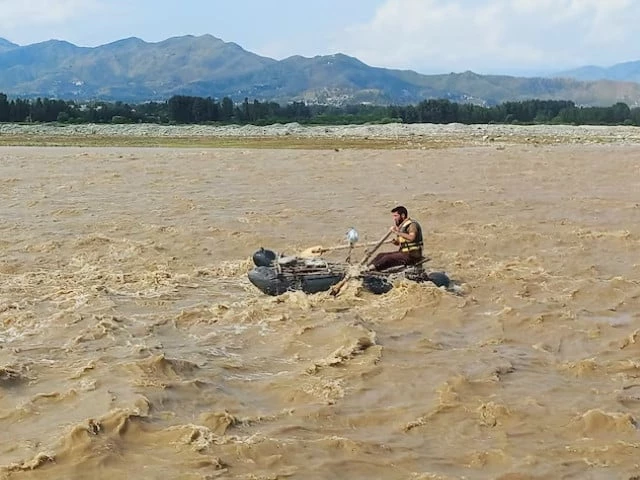
The report also criticized the DG Rescue for lacking the necessary technical expertise to manage high-risk operations. His poor handling of the response exposed major gaps in K-P’s emergency systems. Meanwhile, the Swat Development Authority failed to post warning signs or deploy ground staff to guide or block access to dangerous areas.
Construction Misled Tourists
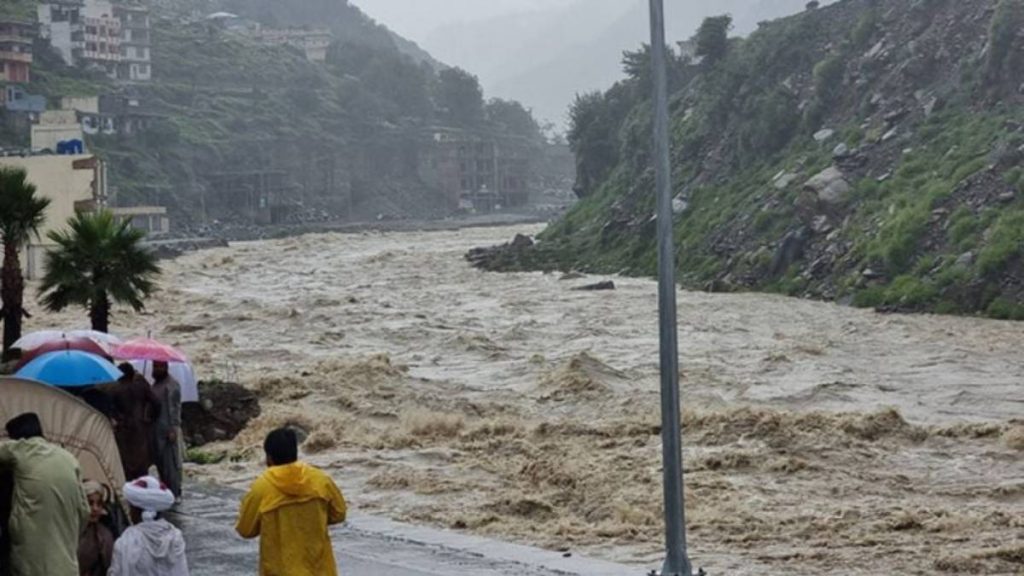
Adding to the tragedy, recent construction activities along the riverbed had changed its natural flow. These alterations created shallow-looking areas that appeared safe, luring tourists into a deadly false sense of security. The water looked calm on the surface, but the rapid rise in current jumping from 6,738 to 77,782 cusecs in just a few hours proved fatal.
Investigators found that there were no visible danger signs or proper fencing around the entry points. The back gate of the hotel led directly to the river without any guard in place. Officials believe that better signage and stricter enforcement of existing safety measures could have saved lives.
Public Anger and National Grief
The incident has sparked widespread outrage across Pakistan. Social media users, civil rights groups, and political activists are all demanding justice for the victims. Many people are calling the drownings completely preventable and are questioning why lessons from past tragedies have not been learned.
Families of the victims have expressed sorrow and frustration. “They went to Swat for a holiday, and they came back in coffins,” said a grieving father from Sialkot who lost two sons in the disaster. “This wasn’t a natural tragedy it was man-made.”
Citizens have urged the K-P government to not only punish those responsible but also to take meaningful steps to prevent such incidents in the future. The consensus is clear: emergency response systems and tourist safety must improve.
Recommendations for a Safer Future
In response to the tragedy, experts and civil society groups have put forward urgent recommendations. They include:
- Deploying trained and certified rescue teams in all major tourist areas
- Installing real-time river monitoring systems to detect sudden water surges
- Strictly enforcing Section 144 and ensuring visible patrol presence
- Placing multilingual warning signs at all riverfronts and known risk zones
- Hiring qualified professionals with relevant experience for emergency leadership roles
These changes, if implemented effectively, could dramatically improve safety and save lives in the future.
Swat’s Tourism Boom and Its Risks
Swat Valley has become one of Pakistan’s top tourist destinations. Its rivers, cool mountain air, and lush green valleys draw thousands of visitors during the summer months. But this boom in tourism has also exposed the region’s lack of infrastructure, safety planning, and trained personnel.
Rapid, unregulated construction near rivers and mountainous areas has increased the risks of flash floods and other natural disasters. Without clear oversight and a strong crisis management system, even a brief downpour can turn deadly.
Tourism is vital to Swat’s economy, but as this incident has shown, unchecked growth without safety considerations can cost lives.
A Wake-Up Call
The removal of two senior officials signals that the K-P government understands the gravity of the situation. But this must go beyond administrative reshuffling. Real reform is needed in how tourist safety, emergency preparedness, and inter-agency coordination are handled.
Twelve lives were lost not due to fate, but because of delayed responses, ignored warnings, and administrative carelessness. Their families now mourn, knowing this tragedy could have been avoided.
As Pakistan reflects on this heartbreaking incident, one truth stands out: the time for empty promises is over. Swift action and structural changes are necessary to ensure that tourists can explore Swat’s beauty without fearing for their lives.
Read More Latest News
