

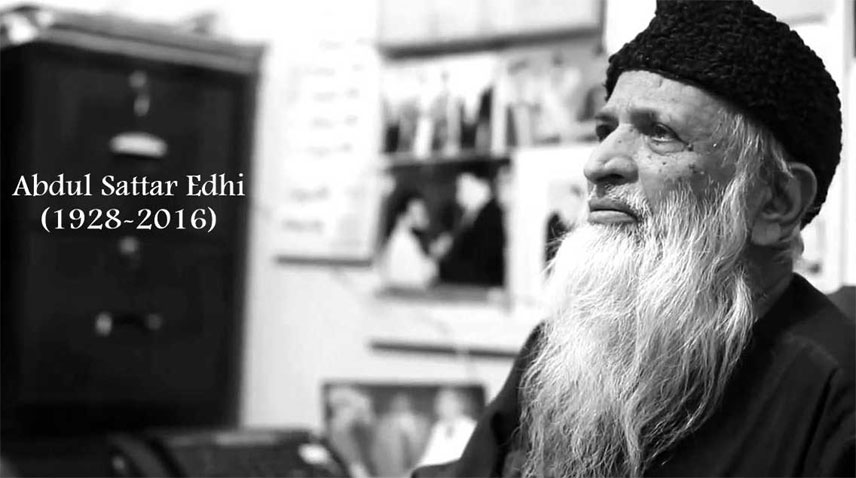
Karachi, July 8, 2025 – Pakistan today observes the 9th death anniversary of Abdul Sattar Edhi, the nation’s most beloved humanitarian and philanthropist. Edhi, who passed away on July 8, 2016, at the age of 88, remains a symbol of compassion and service to millions across the country and around the world. Citizens continue to honor his memory through prayers, tributes, and acts of charity.
Born on February 28, 1928, in Gujarat before the partition, Edhi began his lifelong mission of humanitarian work in 1951. He devoted his entire life to caring for the poor, the ill, and the abandoned, without regard to their race, religion, or status. Through unwavering dedication, he built a legacy of service that continues to inspire generations.
A Vision That Became a Movement
Edhi launched his humanitarian work by opening a free medical clinic in Karachi. What started as a small dispensary grew into a nationwide welfare system known as the Edhi Foundation. Over the decades, he expanded the foundation into one of the world’s largest volunteer-based social service networks.
He personally oversaw the growth of an ambulance fleet, which eventually became the world’s largest volunteer ambulance service, operating more than 1,800 vehicles across Pakistan. The Edhi Foundation quickly became the first response team in emergencies, disasters, and crises, often arriving before official services.
Edhi earned widespread trust through his humble methods. He collected donations in public, often sitting by the roadside with a simple donation box. Despite leading a vast organization, he chose to live in a modest room and owned just two sets of clothes.
Sheltering the Forgotten
The Edhi Foundation also developed shelters for the homeless, homes for abandoned children, refuges for abused women, and care centers for the mentally ill and elderly. One of its most notable services includes the cradle project a system of baby cradles outside Edhi centers offering a safe place for parents to leave unwanted infants anonymously. This initiative saved thousands of lives.
Regardless of caste, creed, or background, Edhi offered care to all. He firmly believed that humanity transcended all divisions, and he implemented this belief through action. Every service provided under his leadership was free and inclusive.

Global Humanitarian Work
Although Edhi’s work primarily focused on Pakistan, his compassion reached international borders. He sent aid to Bangladesh during the 1971 crisis, supported Afghanistan and Iran during conflicts and natural disasters, provided help in Sri Lanka after the 2004 tsunami, and even assisted Hurricane Katrina victims in the U.S.
His efforts made it clear that humanity was his only religion. He viewed suffering as a universal issue and committed his life to alleviating it wherever possible.
A Life of Simplicity and Purpose
Despite global recognition, Edhi remained deeply grounded. He never accepted foreign government aid and refused offers of expensive medical treatment abroad. When his kidneys failed, he insisted on being treated locally, believing any money spent on him should instead help the poor.
Edhi passed away on July 8, 2016, after a prolonged illness. Pakistan honored him with a state funeral, a rare distinction reserved for national heroes. In a final act of generosity, Edhi donated his eyes, giving the gift of sight to two people.
Honors and Awards
Throughout his life, Edhi received more than 250 awards. Among the most notable were:
- Nishan-e-Imtiaz – Pakistan’s highest civilian award
- Lenin Peace Prize
- Ramon Magsaysay Award for Public Service
- UNESCO-Madanjeet Singh Prize
Despite the global honors, Edhi never sought personal fame. He always redirected praise to the people who supported his mission.
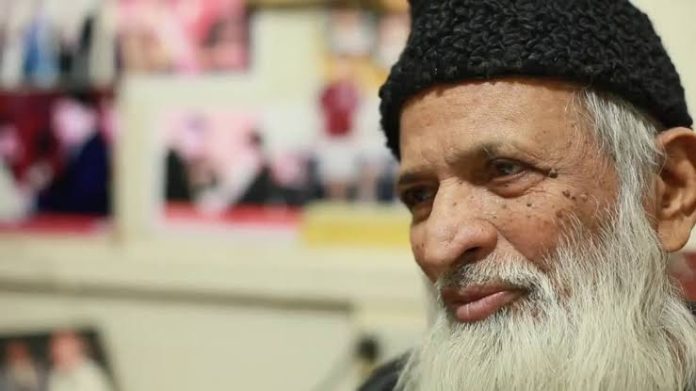
A Legacy That Lives On
Nine years after his passing, Edhi’s vision remains alive. His son, Faisal Edhi, now leads the foundation and continues to expand its operations across Pakistan and abroad. The foundation remains active in ambulance services, orphan care, burial services, and emergency relief, just as its founder envisioned.
The impact of Edhi’s work is visible in every corner of Pakistan. His story is taught in schools, featured in textbooks, and engraved into the national memory.
A Day of Reflection and Gratitude
Today, on his death anniversary, people across Pakistan are offering prayers, volunteering at Edhi centers, and donating to continue his legacy. Social media platforms are filled with tributes, memories, and heartfelt messages for the man who lived for others.
His guiding words echo louder than ever:
“No religion is higher than humanity.”
Edhi’s life offers a powerful reminder of what one person can achieve with compassion and commitment. In a world plagued by division, his legacy stands as a call for unity, kindness, and action.
Conclusion
As Pakistan observes the 9th death anniversary of Abdul Sattar Edhi, his influence continues to shape the nation’s conscience. He left behind more than an institution he left a blueprint for humanity. His work teaches that service doesn’t require wealth or fame, just a heart willing to help.
In every ambulance siren, every safe cradle, and every saved life, Edhi’s spirit lives on. He may be gone, but his light continues to guide the way forward.
Read More Latest News
