

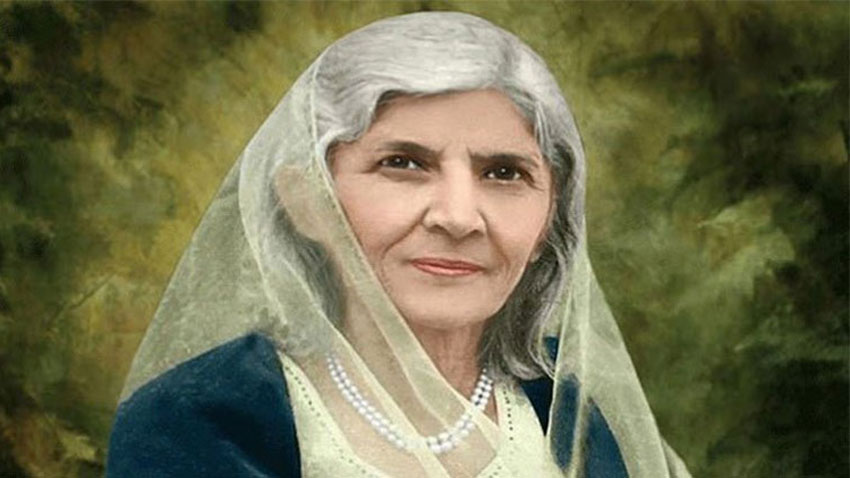
Today marks the 58th death anniversary of Madar-e-Millat, Mohtarma Fatima Jinnah Fatima Jinnah legacy a woman remembered not just as the sister of Quaid-e-Azam Muhammad Ali Jinnah, but as one of the most courageous and influential figures in Pakistan’s history. Her tireless efforts for independence, democratic ideals, and women’s rights make her a timeless national icon.
Known as the “Mother of the Nation,” Fatima Jinnah dedicated her life to serving the people. She stood beside her brother during critical moments in the Pakistan Movement and later became a strong voice for democratic values in post-independence Pakistan.
A Childhood Marked by Determination
Fatima Jinnah was born on July 31, 1893, in Karachi. As the youngest among seven siblings, she grew up in a modest yet progressive household. Following the early death of her parents, her elder brother, Muhammad Ali Jinnah, took responsibility for her education and upbringing.
Unlike most girls of her time, Fatima pursued formal education. She first attended the Bandra Convent and later earned a dental degree from Dr. R. Ahmed Dental College in Calcutta. This was a rare achievement for a Muslim woman during British colonial rule.
Her career as a dentist, however, did not last long. After the tragic death of her brother’s wife, Ruttie Jinnah, in 1929, Fatima stepped in to support Muhammad Ali Jinnah both emotionally and politically. This decision would forever change the course of her life and that of her country.
Becoming a Voice in the Pakistan Movement
In the 1930s and 1940s, Fatima Jinnah emerged as a key figure in the struggle for independence. At a time when few women participated in public affairs, she stood out for her fearlessness. She accompanied her brother on political tours and engaged with women across the subcontinent.
Moreover, she helped establish the Women’s Wing of the All India Muslim League, encouraging women to join the fight for a separate Muslim homeland. Her speeches inspired countless women to become active supporters of the movement.
Fatima Jinnah knew that true freedom required both political independence and social reform. She consistently emphasized education, civic responsibility, and women’s empowerment as essential parts of building a future nation.
After Independence: A New Mission Begins
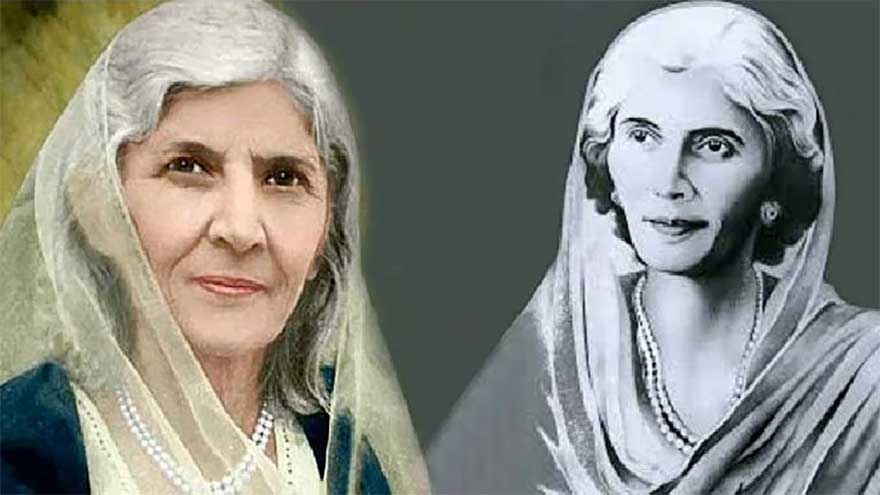
With the birth of Pakistan in 1947, Fatima Jinnah focused her energy on humanitarian work. She co-founded the Pakistan Women’s Association (PWA) to help the thousands of women who arrived in Pakistan as refugees. These women had endured violence, trauma, and displacement during Partition.
The PWA provided them with shelter, vocational training, and counseling. Fatima frequently visited relief camps and hospitals, listening to their struggles and offering support. Through this work, she helped restore dignity to women who had lost everything.
Additionally, she continued to advocate for education and political awareness among women. Her efforts paved the way for many to become active citizens of the new nation.
Her Return to Politics: A Bold Move
After remaining largely out of the political spotlight for over a decade, Fatima Jinnah made a bold return in 1965. She announced her candidacy for the presidential election against the military ruler, Field Marshal Ayub Khan.
This decision shocked many. At the age of 71, she stood against authoritarianism in a time when most people feared challenging the regime. Yet, her presence reinvigorated the democratic movement across Pakistan.
During her campaign, she traveled tirelessly and addressed huge public gatherings in both East and West Pakistan. Her speeches criticized dictatorship and called for a return to the democratic vision her brother once held.
Although the election was widely believed to be rigged, Fatima Jinnah’s campaign awakened a new political consciousness. She became a unifying figure and a source of inspiration for those who longed for freedom and justice.
The Final Chapter
Fatima Jinnah passed away on July 9, 1967, under circumstances that still raise questions today. While officials stated natural causes, some sections of the public remained suspicious about her sudden death. Regardless of the details, her passing marked the end of a defining era in Pakistan’s history.
Thousands attended her funeral. She was buried beside her brother at Mazar-e-Quaid in Karachi, where people still visit to pay their respects. Her grave, next to the founder of the nation, is a powerful reminder of the sibling duo that shaped the country’s destiny.
Her Everlasting Legacy
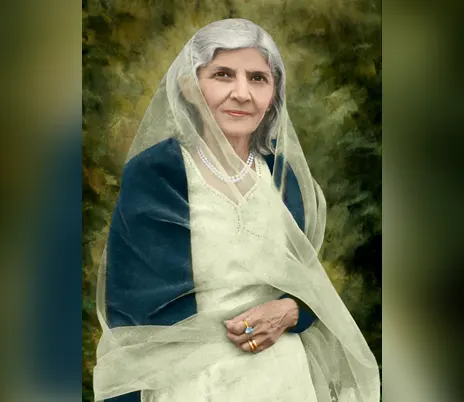
Fatima Jinnah’s legacy is one of sacrifice, strength, and unshakable principles. She stood for democracy when others remained silent. She uplifted the voices of women when society discouraged them. She inspired the young and reminded the old of their duty to the nation.
Her life reminds us that patriotism is not just about words, but actions. She lived with humility, yet acted with great impact. Even decades after her passing, her name resonates with pride and respect.
In a society still struggling with political instability and gender inequality, her life offers valuable lessons. She showed us that one voice can make a difference and that women must be central to every national effort.
Lessons for Today’s Pakistan
Fatima Jinnah believed in a democratic, inclusive, and just Pakistan. She dreamed of a society where every citizen, regardless of gender or status, had equal rights and opportunities.
As we remember her today, we must reflect on how far we’ve come and how much farther we need to go. Are we protecting the values she held dear? Are women empowered and safe? Is our democracy strong enough to resist authoritarianism?
To honor her legacy, we must strive to uphold the ideals of transparency, tolerance, and equality. Her memory should guide us not just on anniversaries, but every single day as we shape Pakistan’s future.
Conclusion
As we observe the 58th death anniversary of Madar-e-Millat Fatima Jinnah, let us go beyond ceremonial tributes. Let us walk the path she paved with courage, honesty, and an unshakable commitment to justice.
She was more than the sister of the Quaid-e-Azam. She was a leader, a reformer, a guardian of democracy, and a champion of women’s rights. Her life teaches us that real change begins with courage and that one person can light the way for a nation.
